
Vandaag of morgen in huis

Kwaliteit gegarandeerd

Welkomstaanbiedingen ontgrendelen: GRATIS bezorging | Tot 80% korting | Gratis 30 dagen JoyPlus-proefperiode
Download de app
Spicy Chinese instant noodles are popular with fans of Sichuan flavours, students and anyone who wants to get something hot on the table quickly. Yet one packet can sometimes look much like another, even when the products are quite different. A bowl noodle with broth requires different preparation from broad noodles with red oil. Portion size, allergens and the amount of seasoning are not always immediately clear either.
As a Joybuy Product Recommendation Officer, I focus mainly on verifiable information: packaging, weight, ingredients, preparation method and nutritional values. This helps you avoid relying solely on words such as “authentic”, “extra spicy” or “restaurant-style”.
The heat may come from dried chilli, chilli oil, chilli flavouring or Sichuan pepper. The latter provides not only heat but also a tingling, numbing sensation often referred to as mala. If you are mainly looking for a sour flavour, look for a separate vinegar sachet and terms such as hot and sour noodles or red-oil noodles.
According to the brands’ own product information, some varieties are described as medium heat or suitable for fans of spicy food. This is not a universal unit of measurement. Check whether you need to add all the oil and whether the packaging allows you to adjust the quantity yourself.
A box containing multiple portions is convenient for households and regular buyers, but always compare the total weight and number of individual portions. A pack containing four portions of 115 grams is different from a 360-gram snack box with twelve small sachets. Calculate the price per portion, not just the price of the box.
Also check the best-before date and storage instructions. Most products should be stored in a dry, cool place or at room temperature, away from direct sunlight.
“Instant” does not always mean that you only need to add hot water. Some Sichuan noodles need to be boiled for five to eight minutes. Other broad noodles are soaked in boiling water for five to six minutes and then drained. A product with sauce sachets is usually intended to be served as a dry mix, not as soup.
Also check whether the noodles need to be prepared and eaten immediately after opening. This is stated, among other places, for various A’Kuan varieties.
Broad wheat noodles are thicker and absorb oil and sauce well. They work well in red-oil noodles, Chongqing noodles and other dry Sichuan preparations. Potato-starch or sweet-potato noodles often have a smoother, more elastic texture.
If you are used to Korean spicy ramen, you will usually notice a clear difference: Korean ramen is often eaten as soup, whereas Chinese broad noodles are regularly drained and mixed with chilli oil, vinegar and herbs.
Check how many sachets are included in the pack. Separate oil, powder, vinegar and vegetable sachets give you more control over the flavour than one combined seasoning sachet. With some varieties, for example, you can use less chilli oil and add more later.
Look out for ingredients such as Sichuan pepper, vinegar, sesame, peanuts, soya and mustard. These affect not only the flavour but are also important for people with food allergies. Always read the current packaging, as online product information may change.
Compare energy, fat and salt per 100 grams and per full pack. Across several products, the salt content is around a few grams per 100 grams, but portion sizes vary. Do not use nutritional values as your only measure of quality. The composition of the sauce, the amount of oil and your preparation method all affect how much you actually consume.
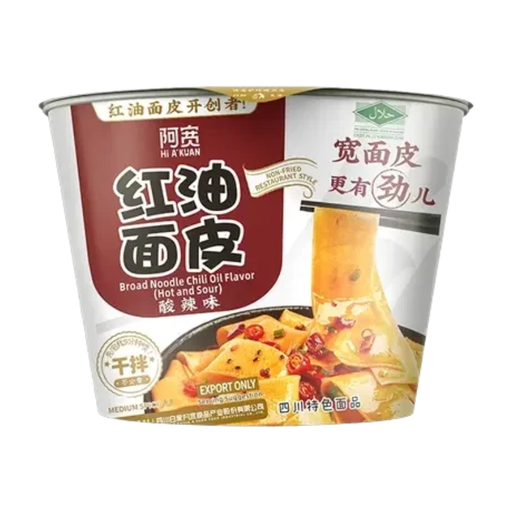
Why it suits this profile: A single bowl is practical if you want to try hot and sour noodles without immediately buying a large multipack.
The 115-gram portion and separate oil, seasoning and vinegar sachets make the contents easy to understand. You can adjust the amount of seasoning you use.
Broad wheat noodles, a sour vinegar element and a compact bowl pack for a quick meal.
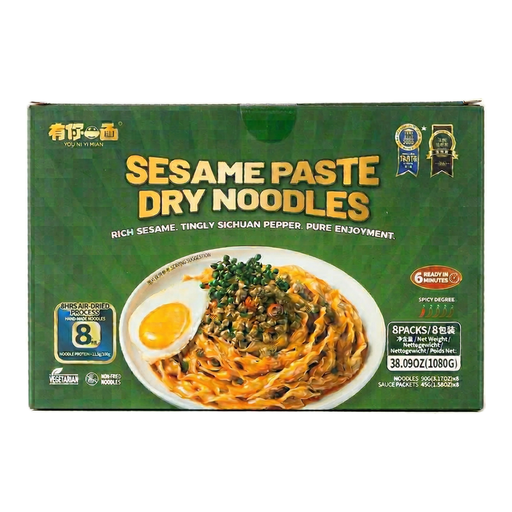
Why it suits this profile: This multipack is aimed at fans of mala noodles who want to prepare a Sichuan-style meal regularly.
The number of portions and total weight are clearly stated. The sauce is added separately, allowing you to adjust the intensity.
Eight 135-gram packs, broad noodles and a flavour profile featuring Sichuan pepper, chilli and sesame.
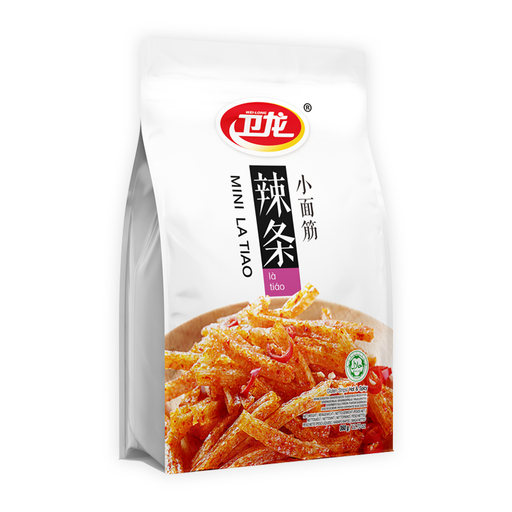
Why it suits this profile: The twelve individual sachets are suitable for snacking, gaming, parties or sharing with housemates.
This is a ready-to-eat snack, not noodle soup. That makes its intended use clear, and you do not need to allow time for preparation.
360 grams in total, twelve portions and a chewy texture with chilli, Sichuan pepper, cumin and mustard flavouring.
We have put together a complete, up-to-date list of products that fully meet these strict selection criteria and the applicable European safety regulations.
The right method depends on the product:
An extra topping such as spring onion, cucumber, egg or peanuts can add texture, but check the allergen information first. Soya, sesame, peanuts and wheat are particularly common in Chinese noodles with chilli oil.
No. Check the ingredients list for each variety. Some products contain only wheat noodles, oil, chilli and seasoning; others may contain beef extract, chicken flavouring, fish or animal fats. The recipe may vary from one product to another.
The best-before date is shown on the packaging. As a general rule, store unopened products in a dry, cool place away from direct sunlight. After opening or mixing, various product listings advise preparing and eating the noodles immediately.
Sichuan noodles are often mixed dry with chilli oil, vinegar and Sichuan pepper. Korean spicy ramen is usually eaten as soup with a seasoned broth. So if you want to buy instant noodles with a tingling mala profile, it is better to look for Sichuan or red-oil noodles rather than relying solely on the word “spicy”.
