
Vandaag of morgen in huis

Kwaliteit gegarandeerd

Welkomstaanbiedingen ontgrendelen: GRATIS bezorging | Tot 80% korting | Gratis 30 dagen JoyPlus-proefperiode
Download de app
A jar of spicy chilli sauce might seem like a quick choice. Yet sambal, Asian chilli sauce, chilli crisp and red pepper paste differ greatly in flavour, texture and use. One sauce is mainly oily and savoury, another contains a lot of sugar, fermented ingredients or a high proportion of fresh chilli.
If you only look at words like “authentic”, “extra hot” or “traditional”, you could end up buying a product that doesn’t suit the dish you have in mind. With these practical checks, you can compare sauces using information you can verify on the label or in the product description.
A label like “hot” or “extra spicy” isn’t the same as an objective scale. The perceived heat depends on the type of chilli used, the amount of salt, sugar, oil and other ingredients. A Surinamese sambal made with Madam Jeanette peppers can hit differently than a Chinese chopped chilli with oil and garlic, even if both are described as spicy.
So use the chilli content as your first clue. If it says 75% or 92% chilli, for example, that tells you more about the composition than a vague marketing term. It’s still wise to start with a small amount.
Not every chilli sauce works as a dip or table condiment. Korean gochujang is a thicker, fermented red pepper paste with rice, soya and often sweeter notes. A sambal oelek is usually simpler in composition and works well as a base for a homemade sauce. Chilli crisp, on the other hand, often contains oil and solid pieces of chilli, so it mainly adds texture and savouriness.
So check whether you’re looking for a product for marinating, stir-frying, dipping or serving directly with rice and noodles.
Chinese chilli sauces regularly contain fermented soya or black beans. Gochujang often contains soya and wheat. Surinamese sambal with prawn contains shellfish. Always read the ingredients and allergens on the packaging. Online product information can change; the packaging is what counts.
The salt content also deserves attention. In the product information provided, this ranges from 3.5 grams to 10 grams of salt per 100 grams, for example. That difference affects how much sauce you add to a meal.
First, look at the proportion of chilli or pepper. A high percentage can indicate a more direct chilli flavour, but it doesn’t determine the heat alone. Garlic, onion, ginger, fermented black beans, vinegar and spices all change the flavour profile.
Check whether the sauce contains soya, wheat, gluten, sesame, celery, mustard, sulphites or shellfish. According to the product information, Tan Tan Xiang Chao Tian Chili Sauce contains fermented soya beans, among other things, and mentions possible cross-contamination with celery, mustard and sesame. The Tantanxiang Chopped Chili for Rice lists soya and sulphites.
Also pay attention to sugar and oil. An oil-based Chinese chilli sauce is different to use than a light sambal made from fresh chilli. Compare the values per 100 grams, not just the jar price.
A 500g or 570g jar is practical if you cook often, but less suitable if you only use a spicy sauce occasionally. Smaller packs of 170g to 210g are easier to finish.
Check the instructions after opening. Several products need to be refrigerated and ideally used up quickly. A sealed jar can last longer according to the stated shelf life, but always check the date and the instructions on the label.
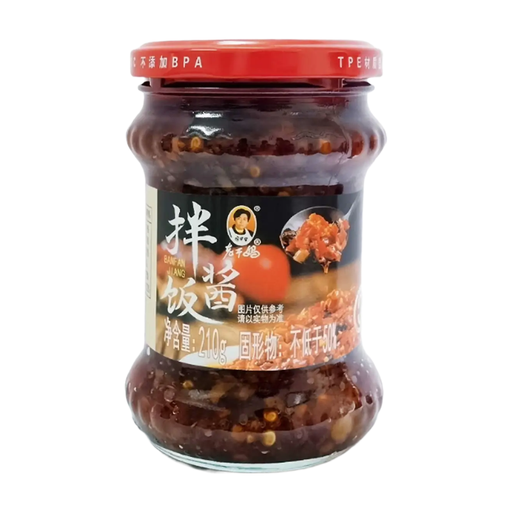
Why this fits the profile: The 210g jar is a manageable size for anyone wanting to try chilli crisp for the first time. The product description mentions rice and noodles as serving suggestions.
The product category and composition make it clear that this is an oily chilli crisp, not a smooth sambal or gochujang.
According to the label, it contains chilli, rapeseed oil, soya, mushroom and spices; ideal for quickly adding more flavour to rice and noodles.
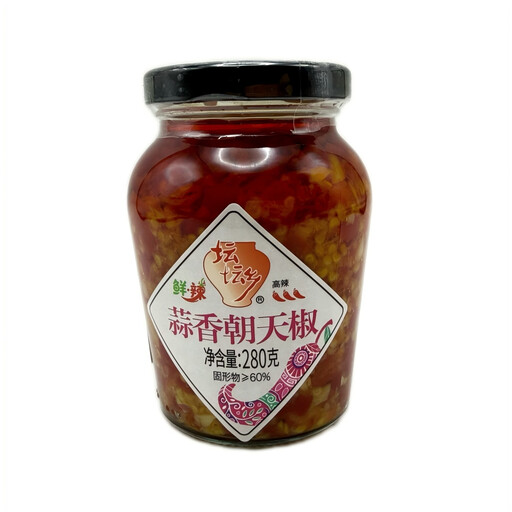
Why this fits the profile: According to the product information, this Chinese chilli sauce combines Chaotian chilli, garlic and fermented black beans for a savoury profile.
The ingredients list shows that the sauce doesn’t rely on heat alone, but also contains garlic, soya and fermented black beans.
280g net weight; ready to use in stir-fries, as a dip, in marinades and with noodles. Contains soya and flavour enhancers.
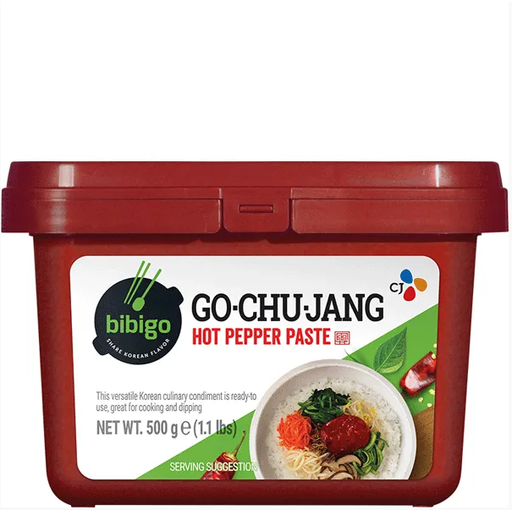
Why this fits the profile: The 570g pack is ideal for anyone who regularly cooks with Korean red pepper paste, for example in marinades, stews, dressings and stir-fries.
The product information explicitly states that this is a vegan gochujang. Nevertheless, always check the current packaging for allergens.
According to the product description, it contains no animal ingredients; includes red pepper, rice, fermented soya powder and koji culture.
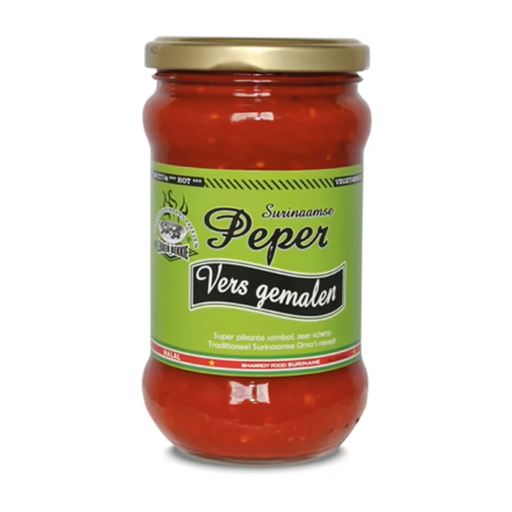
Why this fits the profile: According to the product information, this Surinamese sambal is made with 92% fresh Surinamese peppers and is ready to use with rijsttafels, potatoes and pasta.
The chilli percentage is clearly stated. This makes the sauce easier to compare with varieties that contain more sugar, oil or spices.
290 ml net volume; according to the product information, free from the 14 main EU allergens. Check the label at the time of purchase.
We’ve put together a full, up-to-date list of products that fully meet these strict selection criteria and comply with current European safety regulations.
Sambal oelek is usually a simple ground chilli paste with a fresher, more direct chilli flavour. Gochujang is a Korean fermented red pepper paste that contains rice, soya and often sweeter notes. Use sambal as a spicy base or topping, and gochujang for marinades, sauces, stews and Korean rice dishes.
For extra oil, savouriness and texture, chilli crisp works well with rice and noodles. Chinese chopped chilli is suitable as a coarser topping or stir-fry base. A sambal mainly adds direct heat. If you’re after a thicker sauce with sweet-spicy umami, try a Korean gochujang.
Always follow the label. Many opened sauces need to be kept in the fridge. Use a clean spoon, seal the jar tightly and pay attention to the stated shelf life. If there’s any change in smell, colour, texture or packaging, it’s best not to use it any further.
