
Vandaag of morgen in huis

Kwaliteit gegarandeerd

Welkomstaanbiedingen ontgrendelen: GRATIS bezorging | Tot 80% korting | Gratis 30 dagen JoyPlus-proefperiode
Download de app
Fancy some spicy Asian snacks, but not sure which pack is right for you? The range stretches from Chinese snacks and Korean snacks to Thai seafood snacks, konjac snacks and crisps with Asian flavours. The eye-catching packaging doesn’t always tell you what you’re getting.
Three common pitfalls to watch out for:
First, think about what type of snack you’re after. For a film night, crispy rice and corn snacks or crisps with Asian flavours work well for sharing. If you want something with a firm bite, go for spicy gluten snacks or konjac snacks. Seafood snacks often have a salty, savoury taste and may contain dried squid, fish or prawns.
Also look out for flavour keywords:
Brand descriptions are useful as a guide, but they’re not an objective measure of heat. If in doubt, try a small pack first.
Texture determines whether a snack is good for on the go, during gaming or for sharing. Crunchy snacks like corn puffs and potato crisps are instantly recognisable and easy to serve in a bowl. Chewy snacks, such as gluten sticks, konjac and dried seafood, last longer in the mouth and are ideal if you like to snack slowly.
Also check the packaging:
Don’t just read the front. Check the ingredients list and allergen declaration for gluten, soya, sesame, milk, fish, crustaceans and molluscs. This is especially important with vegetarian snacks: “vegetarian” doesn’t rule out soya or gluten.
Also watch the salt content. In the nutritional information provided, this varies widely. For example, the Wei Long Spicy Stick states 2.13 grams of salt per 100 grams, while the Be&Cheery Crispy Konjac Snack lists 1.25 grams of sodium per 100 grams. Labelling can differ from product to product, so always compare the same nutritional unit.
For products with claims about flavour, texture or nutritional value, bear in mind: according to the product description from the brand, certain features are highlighted. Treat this as product information and check the packaging when it arrives. The actual packaging may contain more up-to-date or detailed data.
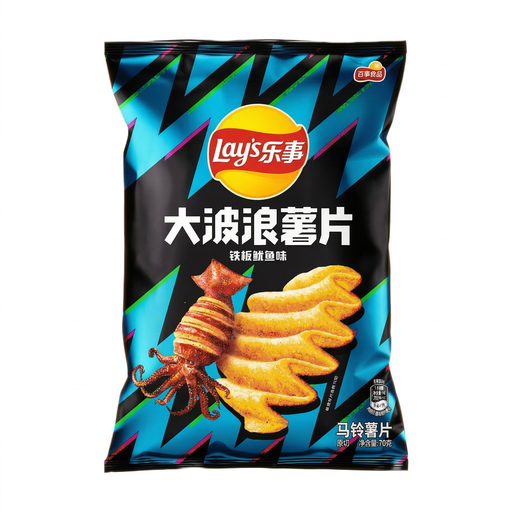
Why it fits the profile: A familiar crunchy base with a savoury, roasted seafood flavour. The 70-gram pack is a manageable size for a first try.
The weight and flavour direction are clearly stated. Do check the listed allergens: wheat, soya, milk, sesame and squid.
Thick, ridged crisps; 70 grams; ready to eat straight away.
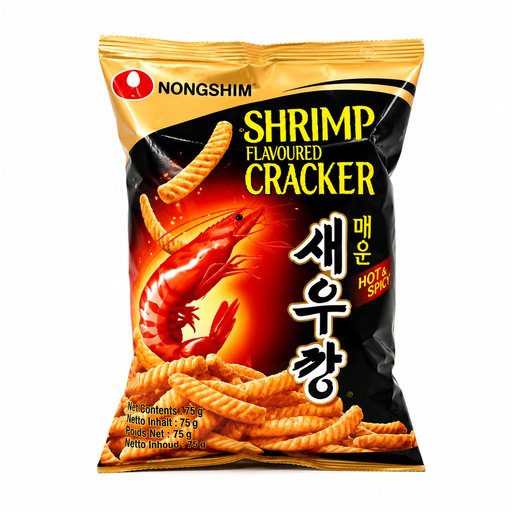
Why it fits the profile: For fans of Korean snacks who want a light crunch and a clear prawn flavour, combined with chilli.
The product information mentions 8.5% fresh prawn. That makes the seafood direction more concrete than a general flavour claim. Allergens include wheat, prawn and soya.
75 grams; crunchy texture; product from Nongshim in South Korea.
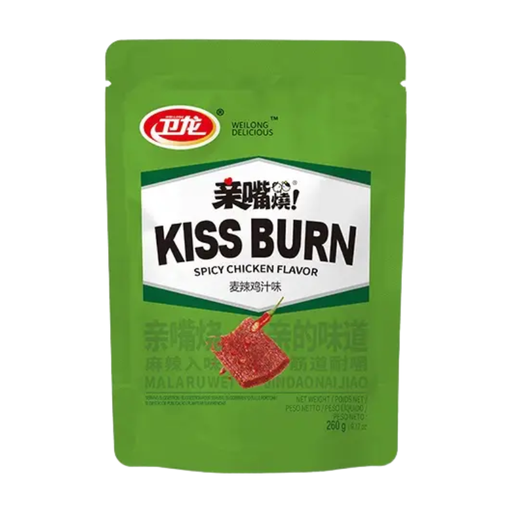
Why it fits the profile: The roughly 26 small portions are practical for gaming, parties or a snack stash you can open one at a time.
The portion distribution limits the problem of a large opened bag. Do note the very high stated salt content of 15.75 grams per 100 grams, and the presence of wheat, soya and mustard.
260 grams total; individual portions; wheat base with chicken seasoning and chilli.

Why it fits the profile: The plant-based konjac base offers a springy bite, and the individual packaging units are suitable for taking with you or sharing.
The base and flavour are clearly specified. “Vegetarian” here doesn’t mean allergen-free: the product lists soya, sesame and wheat.
180 grams; 84 kcal per 100 grams according to the product information; ready to eat.
We’ve put together a full, up-to-date list of products that fully meet these strict selection criteria and comply with current European safety regulations.
Small, individually wrapped snacks are the most practical. Think konjac snacks, BENTO packs of 20 grams or a multipack with small portions. Check whether the product can be stored without refrigeration and seal opened packs properly.
Often yes, but always check the ingredients. Gluten snacks are usually made from wheat and can contain soya, sesame and flavourings. A product labelled “vegetarian” isn’t automatically suitable for someone with an allergy or intolerance.
The unopened shelf life is on the packaging. Once opened, the storage time varies by product. Dry crisps and corn snacks generally stay crunchy if you keep them airtight. Products with konjac, tofu or meat should be stored according to the label and often need to be eaten quickly after opening. Always check the current storage and allergen information when you receive the product.
