
Vandaag of morgen in huis

Kwaliteit gegarandeerd

Welkomstaanbiedingen ontgrendelen: GRATIS bezorging | Tot 80% korting | Gratis 30 dagen JoyPlus-proefperiode
Download de app
Spicy Asian snacks come in all shapes and forms: from Chinese snacks with Sichuan pepper to Korean kimchi, Thai crispy bites and Turkish pickled peppers. That huge range makes choosing fun, but also tricky. A flashy packet tells you very little about the taste, portion size or ingredients.
Watch out for three common pitfalls:
There’s a practical difference between various flavour profiles:
If you’re still new to spicy snacks, start with a product where the flavour is clearly described as mildly spicy or savoury. For those who love more intense flavours, mala konjac, spicy tofu strips and Sichuan skewers are logical choices.
Texture strongly determines whether a snack suits your use. Crunchy snacks like Dorkbua Drumstick are ideal for a sharing platter or film night. Konjac, tofu and wheat gluten, on the other hand, have a chewy or firm bite. Pickled products are crunchy or juicy and also work as a side dish.
Also check whether the product is ready to eat. Many ready-to-eat snacks can be eaten straight from the packet, but some products are mainly intended as an addition to rice, noodles or hot dishes. Individual sachets are handy for sharing and help keep the rest of the packet sealed.
The product information gives you verifiable points of reference:
A brand claim about taste, origin or product quality is no guarantee of your preference. Wording such as “authentic”, “premium” or “healthier choice” comes from product or brand communication. So use them as a description, not as a fixed judgement. According to a brand’s own research, certain properties may be highlighted, but always compare the ingredients and nutritional values yourself.
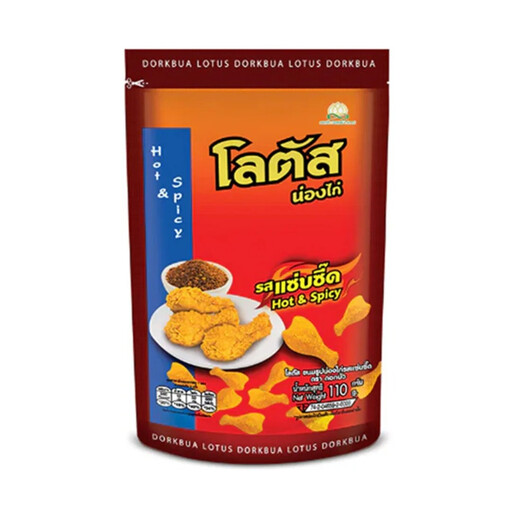
Why it fits the profile: The 110g packet is a manageable size for a first taste of Thai snacks. The crunchy texture suits a drinks party, film night or shared snacking moment.
The product information states a chilli flavour, a clear weight and the presence of wheat. This means you can check the taste and allergens in advance.
Crunchy texture, drumstick shape, 110g and, according to the product description, no artificial colours or preservatives.
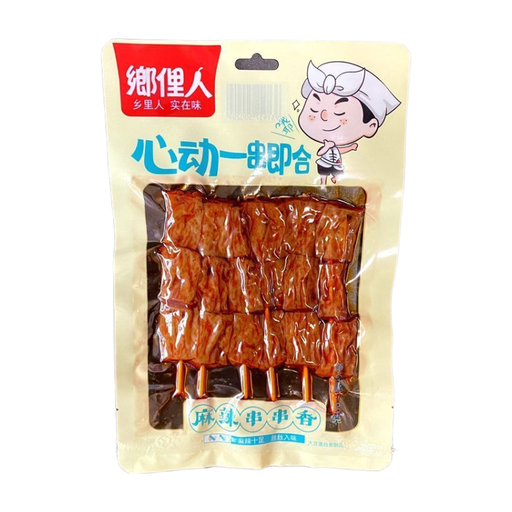
Why it fits the profile: The combination of bean curd skin, konjac, bamboo shoots, chilli and Sichuan pepper offers multiple textures in one ready-to-eat snack.
The 90g packet stops you from buying a large quantity straight away. The preparation information states the snack can be eaten cold or briefly heated.
Individual packet, 90g and a combination of chilli and Sichuan pepper. Contains soya, wheat and sulphites according to the ingredients list.

Why it fits the profile: The box contains 20 sachets of 18g each. That makes it practical for sharing, stocking up or multiple snacking occasions.
The number of individual portions is clearly stated. So you don’t have to divide them yourself, and exposure to air after opening each portion is limited.
360g total, 20 individual sachets, konjac base and a spicy Sichuan-style flavour. Contains soya and wheat.
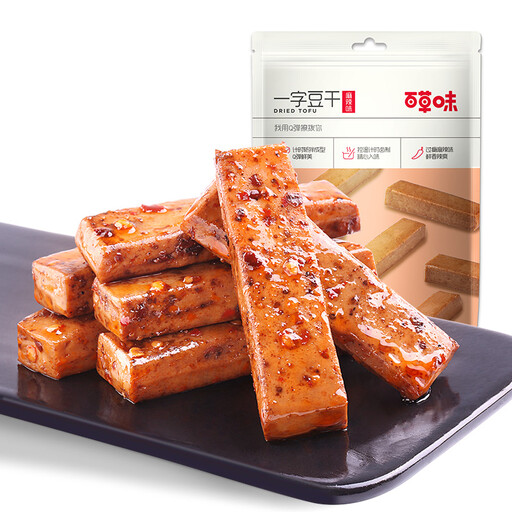
Why it fits the profile: This firm tofu snack is aimed at fans of savoury, chewy textures and fits well into a vegetarian snack selection.
The ingredients list states soya protein and wheat gluten. This makes it clear in advance that this product is not suitable for people who need to avoid these allergens.
200g, ready to eat, individually packed according to the product information and 12g protein per 100g.
We’ve put together a full, up-to-date list of products that fully meet these strict selection criteria and comply with current European safety regulations.
For a table with different flavours, you can combine spicy snacks with:
Start with a product where the flavour is described as mildly spicy or chilli-seasoned, such as a crunchy snack. Avoid buying large boxes of mala or Sichuan flavour straight away if you don’t know whether the tingling effect of Sichuan pepper will suit you.
Store unopened bags and jars according to the label, usually in a cool, dry place away from direct sunlight. Seal opened packets tightly. Pickled vegetables and peppers often need to be refrigerated after opening; always check the packaging for this.
No. Konjac snacks and tofu snacks often contain soya, while wheat gluten can appear in tofu strips, wheat gluten snacks and sauces. So read the allergen declaration, even when the product name says “vegetarian”.
