
Vandaag of morgen in huis

Kwaliteit gegarandeerd

Welkomstaanbiedingen ontgrendelen: GRATIS bezorging | Tot 80% korting | Gratis 30 dagen JoyPlus-proefperiode
Download de app
Spicy Asian snacks are hugely popular with fans of Chinese, Korean and Indian flavours. Yet an eye-catching packet doesn’t always tell you what you’re actually getting. A bag might look large, for instance, while the contents are actually made up of small portions. What’s more, terms like “authentic flavour”, “plant-based” and “extra spicy” aren’t always used consistently.
The following three pitfalls crop up time and again:
Confusing heat with flavour
Chilli can dominate the first impression, while herbs, umami, sourness or sweetness are barely present. If you’re after Sichuan snacks, pay attention to ingredients such as Sichuan pepper, garlic, ginger and soy sauce.
Overestimating the contents and portion size
A multipack can be handy for a party, but small bags aren’t always better value per 100 grams. Check the net weight, the number of individual packets and the recommended storage method.
Skipping allergens and claims
Many Chinese snacks, konjac snacks and dried tofu contain soya or wheat. What’s more, “vegetarian” doesn’t automatically mean free from all allergens. Always check the actual packaging, especially if you’re sensitive to gluten, soya, milk, sesame, fish or sulphites.
“Spicy” can mean different things. Korean snacks often feature chilli with a sweet-savoury base. Indian snacks frequently use potato, chickpea flour and spices. Sichuan snacks combine chilli with Sichuan pepper, which can create a tingling sensation in the mouth alongside the heat.
Check the ingredients list for the position of chilli, chilli powder or chilli oil. If chilli appears near the end, the snack is likely to be more aromatic than fiery. For a pronounced flavour, garlic, ginger, cumin, paprika, soy sauce and vinegar are also useful clues.
Texture determines whether a snack is suitable for a film night, a lunchbox or snacking on the go.
Also pay attention to the base ingredient. In the products mentioned, konjac contains around 6% konjac flour; the rest consists of water, starch, oil and flavourings. So “konjac” mainly tells you about the product type and texture, not automatically about the full composition.
The product information gives you a practical comparison. Wei Long Spicy Stick Big Gluten contains wheat, soya and sesame, and according to the stated nutritional values provides 298 kcal and 2.13 g of salt per 100 g. The Wuxianzhai Bean Curd Snack lists 18 g of protein and 3.5 g of salt per 100 g. That makes it important not to look only at calories.
Always check:
The information on a webshop may differ from the packaging. The packaging is therefore the definitive source. Claims from brands about, for example, quality, authenticity or a special preparation method should be seen as information from the brand itself, not as a guaranteed product attribute.
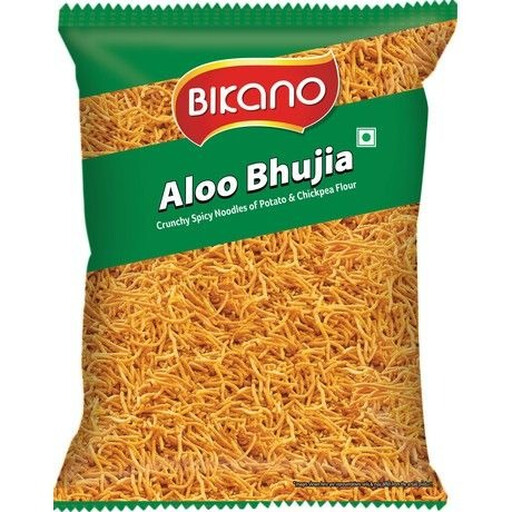
Why this fits the profile: This Indian snack combines potato and chickpea flour in a ready-to-eat, crispy mix. The 200 g packet is practical for sharing with tea, guests or a film night.
The net weight and main ingredients are clearly stated. This means you can compare the contents with other spicy snacks without relying solely on the bag size.
Vegetarian according to the product information; potato and chickpea flour provide a crumbly, crispy texture.

Why this fits the profile: The wheat gluten sticks are designed for fans of a firm, chewy bite and a pronounced spicy flavour.
The product information explicitly mentions wheat flour, soya and sesame. This prevents a buyer from confusing “plant-based” with allergen-free.
106 g ready-to-eat; chewy wheat gluten texture and chilli seasoning for a different mouthfeel to crisps.
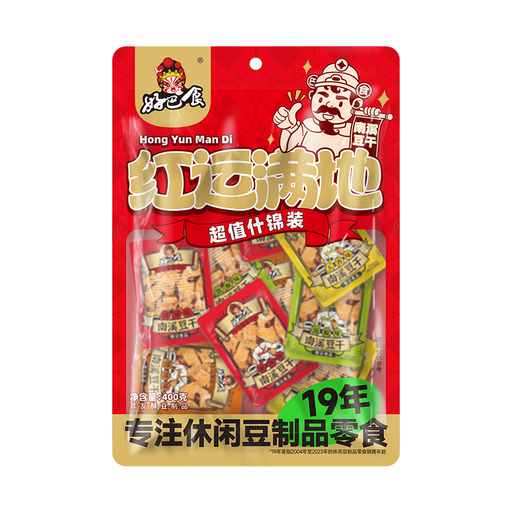
Why this fits the profile: The large pack contains multiple flavours, including mala, barbecue, five spice and pickled chilli. Ideal for an Asian snack box or for sharing with several people.
The variety prevents you from buying a large quantity of one flavour that might not suit everyone. However, the product does contain soya and sesame.
400 g; multiple individually wrapped flavours; 16 g protein per 100 g according to the stated nutritional information for the variants.

Why this fits the profile: Twenty 18 g bags make portioning and taking with you easy. According to the product description, the snack has a spicy Sichuan-style flavour and a crunchy-chewy texture.
The number of portions and the weight per bag are stated. This makes the box easier to assess for convenience than a large, undivided pack.
360 g divided into 20 portions; ready-to-eat and ideal for sharing. Contains soya and wheat, so check the label if you have allergies.
We’ve put together a full, up-to-date list of products that fully meet these strict selection criteria and comply with current European safety regulations.
Choose individual packets that don’t need refrigeration and are ready to eat. Konjac snacks, dried tofu, small seaweed packets and individually wrapped fish or snack portions are practical. Always check the instructions on the label after opening.
Some are, but not all. Aloo bhujia, tofu snacks, dried tofu, konjac and certain seaweed snacks are vegetarian options according to the available product information. Other products, such as anchovies or duck neck, are not. Also check for soya, wheat, sesame and any flavourings on the packaging.
Unopened snacks should usually be stored in a cool, dry place, away from sunlight, heat and moisture. Seal an opened bag tightly to keep it crunchy. Products such as marinated tofu may have specific instructions, including refrigeration after opening. The actual packaging always determines the correct storage period and usage instructions.
