
Vandaag of morgen in huis

Kwaliteit gegarandeerd

Welkomstaanbiedingen ontgrendelen: GRATIS bezorging | Tot 80% korting | Gratis 30 dagen JoyPlus-proefperiode
Download de app
Spicy Asian snacks come in many forms: from chewy spicy strips and Chinese snack bars to dried chillies, mala snacks and crispy seaweed rolls. The difference isn’t just about how much chilli is used. Texture, salt content, allergens, packaging and how you intend to use them all play a part in finding the right product for you.
If you only look for words like “extra spicy” or “authentic flavour”, you could end up with a purchase you regret. Below, you’ll find the key points to check before you buy spicy Chinese snacks or other chilli-based treats.
Chilli primarily provides warmth, whereas Sichuan pepper can create a tingling or numbing sensation in the mouth. With mala snacks, these sensations are often combined. However, the intensity varies depending on the recipe and product category.
A snack with a lot of Sichuan pepper may tingle more than you expect, without necessarily being much hotter. So, always check the ingredients list for chilli pepper, Sichuan pepper, chilli powder or pepper extract. A stated heat level, such as 60,000 for certain dried peppers, is a product specification and not a universal comparison across all brands.
A 418 g bag might look appealing for a party or a shared snacking session, but also consider the portion packaging and how long it stays fresh once opened. Individual sachets help preserve the flavour and texture better, and make it easier to control your portions.
With dried chillies, storage is particularly important. Moisture, heat and direct sunlight can affect their aroma, colour and taste. Keep opened packs tightly sealed in a cool, dark place.
Many vegetarian spicy snacks are made from wheat gluten, soya or sesame. Seasonings like soy sauce can also contain gluten. If you have an allergy, always check the current packaging, even if the product is made from plant-based ingredients.
Also, be aware of the difference between a ready-to-eat snack and a cooking ingredient. Dried chillies are usually intended as a flavouring and not for eating straight from the packet as a snack.
First, decide what you want to use the product for:
For example, the product description for Mala Wangzi mentions a mild, slightly numbing and lightly spicy taste. The extra-mala version, on the other hand, is described as extra spicy with a clearly tingling effect. These are descriptions of the product, not a fixed measurement method; your own taste preference remains key.
Don’t just compare the percentage of chilli; also look at the snack’s base. Many Chinese snacks contain:
According to the product information, 80.3% of the base of Bestore Crispy Rolls is soya flour. The snack contains soya and is ready to eat. The Mala Wangzi Spicy Strip contains wheat flour, soya protein isolate and Sichuan pepper, among other ingredients. Always check the packaging for the most up-to-date ingredient and allergen information.
Small portions are handy for on the go. For home use, bags of 300 to 500 g can be more interesting, especially if you use chillies in oil, noodles, stir-fries or stews.
When looking at nutritional values, also check the salt and energy per 100 g. For instance, the Mala Wangzi Spicy Strip lists 6.07 g of salt per 100 g. This helps you compare different spicy snack mixes more fairly. A lower fat content doesn’t automatically mean a product has less salt or sugar.
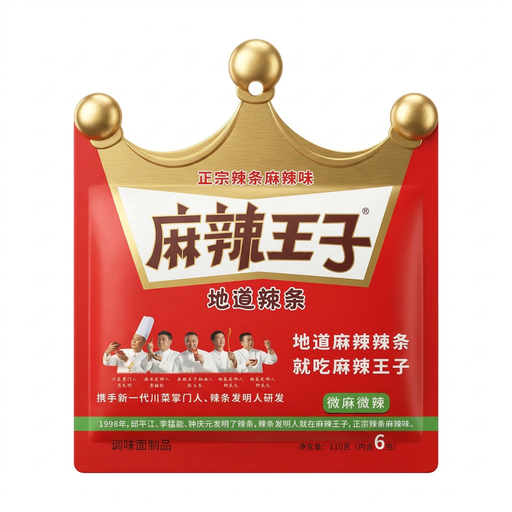
Why this fits the profile: The six individual sachets make it easy to try a small portion first or take snacks with you.
The portions limit waste after opening, and the product information clearly lists wheat and soya as allergens.
110 g total weight, six sachets and a mildly described mala profile.

Why this fits the profile: The chewy soya roll offers a different texture to wheat-based snacks and suits anyone looking for a hearty, plant-based option.
The ingredients list states 80.3% soya flour and lists soya as an allergen, so you can assess the base rather than relying solely on the marketing name.
100 g pack, 24.5 g protein per 100 g according to the product information, and ready to eat.
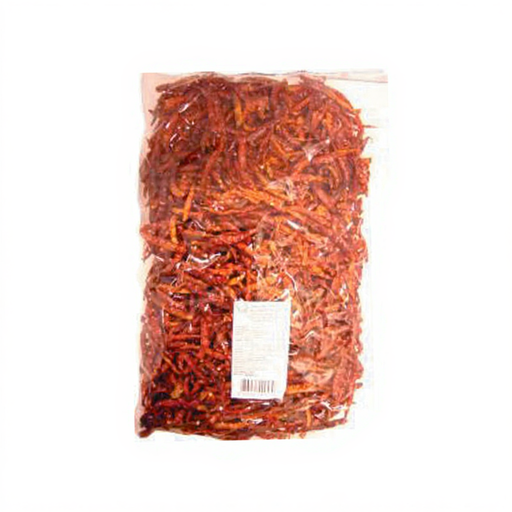
Why this fits the profile: Home cooks use these dried red chillies in chilli oil, soups, curries, stir-fries or ground into a powder.
The ingredients list consists of dried red pepper. So you’re buying a cooking ingredient, not a snack with hidden layers of flavour.
500 g content, suitable for whole use, grinding or infusing in oil; according to the product information, free from the 14 major EU allergens.
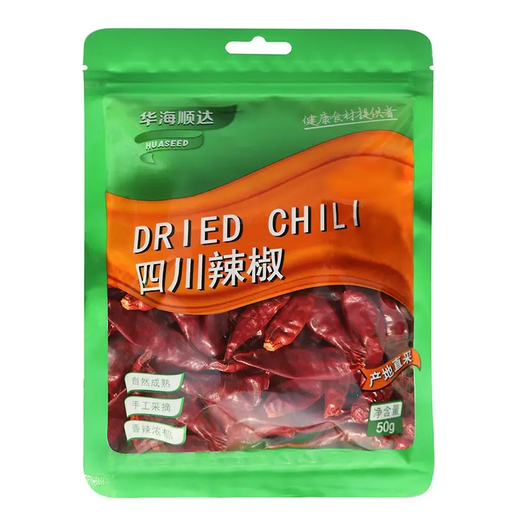
Why this fits the profile: This chilli is intended for dishes where you control the amount of heat, oil and spices yourself.
The 50 g pack prevents you from buying a large quantity straight away, and the ingredients list shows chilli as a single ingredient.
50 g content, suitable for Sichuan dishes, chilli oil and homemade spice blends.
We’ve put together a full, up-to-date list of products that fully meet these strict selection criteria and comply with current European safety regulations.
Start with a product described as mild or lightly spicy, such as the Mala Wangzi Spicy Strip Mild Numbing. Choose a small pack or individual portions. This way, you can try the flavour and the Sichuan pepper effect at your own pace.
Store dried chillies in a cool, dry place away from direct sunlight. Seal the pack tightly after use or use an airtight container. Check the packaging for the current best-before date and do not use the product if the packaging is damaged.
Some are vegetarian, such as snacks based on soya or wheat, but this is not true for all varieties. Always check the ingredients and allergens. A product may also contain soya, wheat or sesame. If in doubt, the current packaging is your best guide.
