
Vandaag of morgen in huis

Kwaliteit gegarandeerd

Welkomstaanbiedingen ontgrendelen: GRATIS bezorging | Tot 80% korting | Gratis 30 dagen JoyPlus-proefperiode
Download de app
When you’re looking for spicy Asian snacks, you’ll soon come across colourful packaging, bold flavour claims and a wide range of textures. But names such as “extra spicy”, “vegetarian meat” or “seafood mix” don’t tell you everything about what you’re buying. The right choice depends on your taste preferences, allergies, portion size and when you plan to eat the snack.
This guide will help you compare Chinese snacks, Thai snacks, Indian snack mixes and plant-based options objectively.
Thai seafood snacks are often sold in 20g bags. They’re handy for when you’re out and about, but less suitable for a sharing platter or an evening with friends. So compare not only the price per bag, but also the price per 100g.
For a group, larger packs, such as a 150 to 200g snack mix, or a multipack are more practical. Individually wrapped portions, on the other hand, are handy for work, travelling or snacking on the go.
Vegetarian meat, konjac snacks, soya snacks and gluten snacks can contain a range of allergens. Product information may list soya, wheat, gluten and sesame, among other ingredients. Some products also contain egg, fish or shellfish.
Always check the ingredients list and allergen information on the packaging. A konjac-based snack, for example, may contain wheat through soya sauce. And a product described as “vegetarian meat” may contain wheat gluten or soya.
“Spicy”, “hot & spicy”, chilli oil and Namprik don’t refer to exactly the same flavour. Chilli oil often brings an aromatic, oily heat. Sichuan pepper can create a tingling sensation. According to the product description, Thai Namprik flavours combine spicy, sour and savoury notes.
If you’re less used to very hot flavours, it may be best to start with a mild Indian snack mix or a roasted chilli variety. For extra-spicy snacks, check the portion size before opening a whole pack.
Start by looking at what the snack is made from:
Also check E numbers, sugar, salt and oil. Nutritional values per 100g can vary considerably between products. For example, according to the nutritional information provided, Bestore Hand-Shredded Vegetarian Meat contains 20g of protein and 2.2g of salt per 100g, while some seafood snacks contain more sugar or salt.
Texture often determines whether a snack is right for you:
Check whether a product is ready to eat and what storage conditions apply. Most of the selected snacks can be kept out of the fridge while the packaging remains sealed. Once opened, follow the instructions on the label. Some vegetarian products need to be refrigerated after opening and eaten promptly.

Why it suits this profile: The 180g pack gives you enough to try the snack at home or share it. The individually wrapped portions are also practical for work or a film night.
The net weight is clearly stated and, according to the product information, the snack is ready to eat. Do check the ingredients list for soya, sesame and wheat.
Konjac base, chilli oil flavour, sesame and individually wrapped portions; the nutritional information lists 84 kcal per 100g.
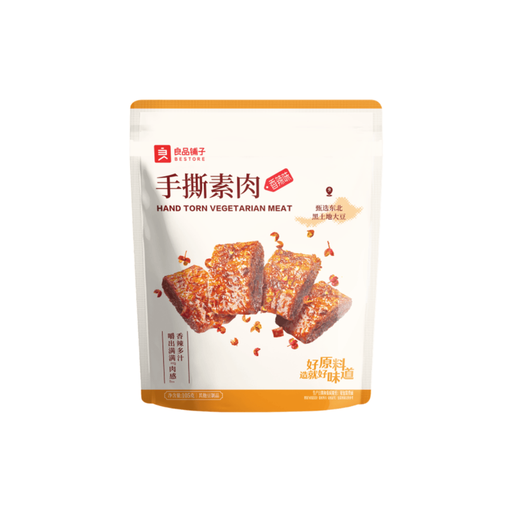
Why it suits this profile: Its fibrous texture and chilli and cumin seasoning make it a good choice if you’re after a substantial, savoury plant-based snack rather than a crunchy mix.
The product information says it contains seven small packs. This lets you open individual portions without exposing the whole bag at once.
Plant-based, with 20g of protein per 100g; contains soya and wheat, so it isn’t suitable for everyone with food allergies.
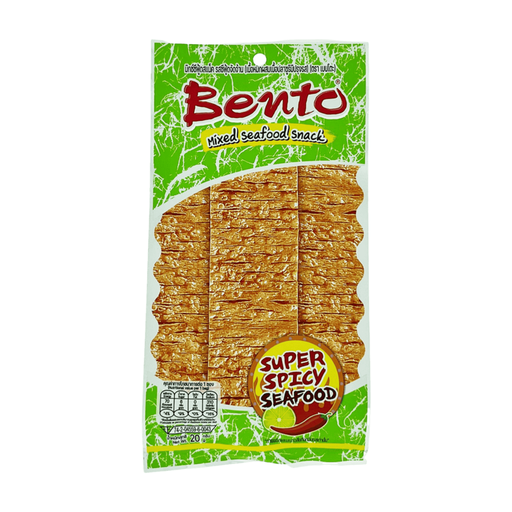
Why it suits this profile: This small Thai seafood snack is made for fans of intense heat and a chewy texture.
The 20g portion lets you try the intensity first. According to the product description, the snack doesn’t need to be refrigerated.
A mix of squid, fish and prawns, with 18g of protein per 100g; not suitable for vegetarians and contains several allergens.
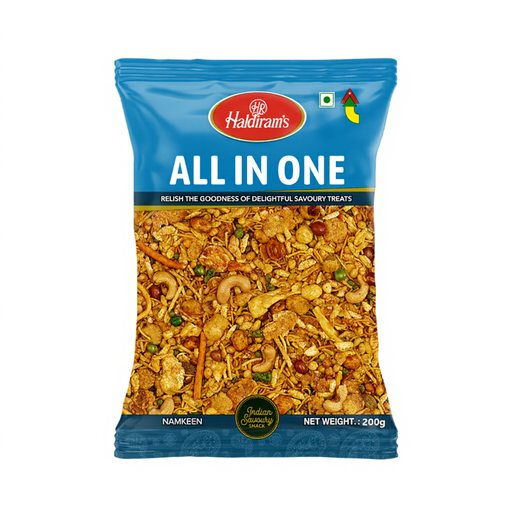
Why it suits this profile: The combination of nuts, sev, lentils and spices makes this Indian snack mix a great choice with tea, at a party or as part of a vegetarian spread.
The 200g pack is clearly better suited to sharing than a 20g bag. Do check the exact allergen information on the packaging.
A crunchy mix with nuts, sev and lentils; the product information lists nuts and possible traces of peanuts, gluten and sesame.
We’ve put together a full, up-to-date list of products that meet these strict selection criteria and the applicable European safety regulations.
Products made with konjac, soya or wheat gluten may be suitable for vegetarians, but always check the label. Seafood snacks containing fish, squid or prawns aren’t suitable. “Vegetarian” doesn’t automatically mean vegan, either; products may contain milk, egg or other animal-derived ingredients.
Individually wrapped products and small bags are practical for when you’re out and about. Bento 20g seafood snacks are compact. Bestore Hand-Shredded Vegetarian Meat also comes in seven small packs. Store opened snacks according to the label and take extra care with their shelf life in warm weather.
It depends on the product. Sealed packs can usually be stored out of the fridge in a cool, dry place. Once opened, follow the instructions on the packaging. Products that should be refrigerated, such as some vegetarian snacks, are best eaten soon after opening. Always check the best-before date and don’t use damaged packaging.
