
Vandaag of morgen in huis

Kwaliteit gegarandeerd

Welkomstaanbiedingen ontgrendelen: GRATIS bezorging | Tot 80% korting | Gratis 30 dagen JoyPlus-proefperiode
Download de app
When you’re looking for spicy Asian snacks, you’ll quickly come across bags with eye-catching packaging, large value packs and promises of authentic flavours. Yet a bold picture of chillies tells you very little about the actual taste, ingredients or whether a snack suits your diet. This guide helps you compare Chinese snacks, Thai snacks and other spicy snacks based on verifiable information.
One snack uses chilli powder for an immediate hit of heat, while another combines Sichuan pepper, lime leaf, garlic or fish sauce. With Mala snacks, you might also experience a slight numbing sensation from the Sichuan pepper. So don’t just look at words like hot, spicy or mala – check the ingredients and product description too.
A 400-gram bag or a multipack might look appealing, but it won’t suit every occasion. For snacks on the go, small individual packs are far more practical. For a film night, party or Asian-style nibbles, larger packs or a snack mix make more sense. Also pay attention to the shelf life after opening and the storage instructions.
Spicy gluten snacks and tofu snacks are often based on wheat gluten or soya. According to the product description, that might make them suitable for vegetarians or vegans, but not for anyone with a soya or gluten allergy. Always check the actual packaging. Recipes, warnings and allergen information can change.
Start with the ingredients list. For vegan snacks, check that no fish, shellfish, egg, milk or animal-derived flavourings have been added. With products labelled “chicken flavour” or “beef flavour”, you need to look more closely: a snack might appear plant-based but still contain animal ingredients or milk components.
Many Chinese snacks contain wheat, soya and sesame. Dried seafood snacks often contain fish, squid, prawns, shellfish or molluscs. Thai seafood snacks may also include fish sauce or surimi. If you need to avoid certain allergens, it’s wise to check both the product page and the packaging.
The portion size determines how practical a product is:
Individual sachets help keep the rest of the pack sealed. For larger bags, a resealable closure is useful. Always follow the instructions to store opened products in a cool, dry or refrigerated place.
Compare nutritional values per 100 grams, but also look at the actual portion. A 20-gram product contains significantly fewer total nutrients than the same values per 100 grams might suggest. Pay particular attention to salt, sugar, fat and energy when comparing different spicy snacks.
For example, Be&Cheery Spicy and Crispy Gluten Snack states per 100 grams: 320 kcal, 20 grams of protein and 950 milligrams of sodium. Mala Wangzi Spicy Strip states 440 kcal and 6.07 grams of salt per 100 grams. These are product specifications, not a judgement on whether they suit your personal diet.

Why this fits the profile: A ready-to-eat Chinese snack in a straightforward size. The chewy texture and spicy flavour make it a good introduction to spicy gluten snacks during gaming or a film night.
The packaging states the weight of 106 grams, the allergens and the nutritional values per 100 grams. This allows you to check the size and composition in advance.
Ready-to-eat, 106 grams, with wheat, soya and sesame clearly listed as allergens.
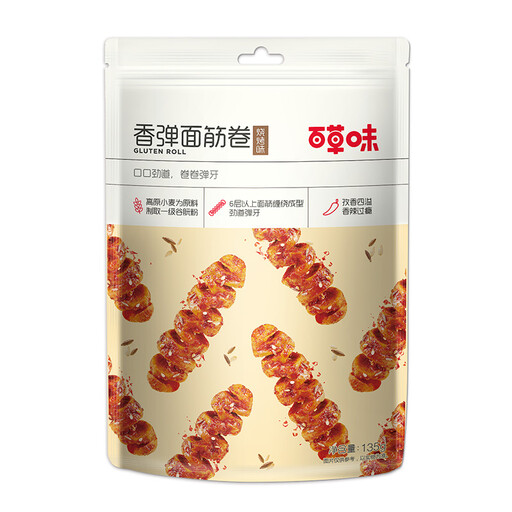
Why this fits the profile: The combination of six packs, barbecue seasoning and a mix of chewy and crispy textures makes this product ideal for sharing or multiple snacking sessions.
The multipack makes the total quantity clear: six portions of 135 grams. The ingredients list includes wheat gluten and soya, so plant-based choices are not confused with being allergen-free.
Six packs, 20 grams of protein per 100 grams according to the product information, and storage advice for after opening.
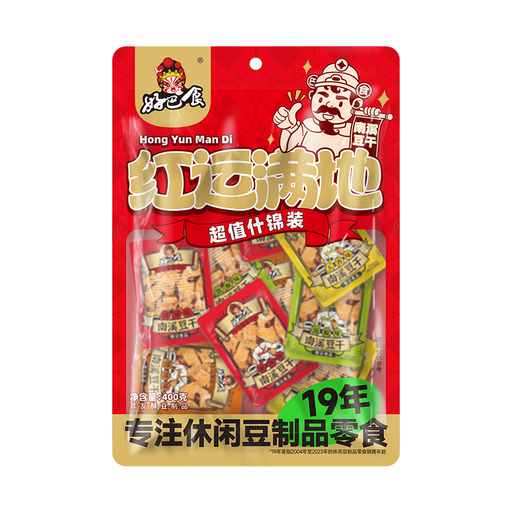
Why this fits the profile: The mix includes Mala, barbecue, five spice and pickled chilli. That suits enthusiasts who want to alternate between several Chinese flavours during a gathering or with a larger group.
The four flavour directions are described separately. This means you’re not buying a large bag without knowing which variety you’re getting. Note: soya and sesame are present allergens.
400 grams total, four flavours and a plant-based base according to the product description.
For a robust, salty snack with a chewy bite, dried seafood snacks such as BENTO Mixed Seafood Snack Hot & Spicy are an option. The product information lists squid and surimi; so always check for fish, shellfish and mollusc allergens.
Fans of seaweed snacks can choose BENTO Mixed Seafood Snack Super Seaweed. This is not a vegan seaweed snack: alongside nori, the product contains squid, surimi, wheat and soya.
If you want to avoid animal ingredients, look at tofu snacks, spicy gluten snacks or vegetarian snacks such as Aloo Bhujia Mix. Here too, the label is the final authority. The term “vegetarian” or “plant-based” does not automatically mean a product is vegan.
We’ve put together a full, up-to-date list of products that fully meet these strict selection criteria and comply with current European safety regulations.
Small packs of 20 grams, such as BENTO snacks, are easy to take with you and open straight away. Individual sachets from a multipack are also practical. Check that the packaging is undamaged and store the product according to the label.
Snacks based on wheat gluten, soya, potato or chickpeas can fit within a vegetarian or vegan diet. However, always check the full ingredients list. Flavourings such as chicken, beef, fish or seafood may contain animal-derived components.
Store unopened snacks in a cool, dry place away from direct sunlight. After opening, seal the packaging well. Some products, such as gluten snacks, state that they need to be refrigerated after opening; others advise consuming them quickly. Always follow the instructions on the actual packaging.
