
Vandaag of morgen in huis

Kwaliteit gegarandeerd

Welkomstaanbiedingen ontgrendelen: GRATIS bezorging | Tot 80% korting | Gratis 30 dagen JoyPlus-proefperiode
Download de app
Tired of the standard supermarket selection and searching for genuinely spicy Asian snacks? The quest for that authentic, intense flavor can feel like navigating a maze. Packaging promises the world, but the contents are often a letdown. As a Joybuy Product Recommendation Officer, I'll help you cut through the marketing fluff and find snacks that actually deliver on their promise.
Before you fill your cart, it's wise to know a few common pitfalls:
To avoid wasting your money, there are a few concrete specifications you can check. When you buy Asian snacks online, you have the advantage of being able to review the product details at your leisure.
Look beyond the word "spicy" or "hot." Good product descriptions provide more details about the taste.
Sichuan snacks, mala flavor is a key term.Korean snacks and Thai snacks. The sweetness from sugar or honey balances the heat, creating an addictive combination.Texture is just as important as flavor. It defines the entire eating experience.
spicy chips, crackers, or fried snacks. Ideal with drinks or when you're craving a quick, satisfying crunch.Chinese snacks, such as seasoned duck parts, konjac, or squid, have a firm, chewy texture. This is for the adventurous eater who enjoys a substantial bite.spicy seafood snacks or pickled vegetables are soft but don't fall apart. They offer a subtle resistance when eaten.A quick glance at the ingredients list tells you a lot. Do you see real spices like star anise, Sichuan pepper, and cinnamon, or mainly "flavorings"? The origin (China, Korea, Thailand) also gives a good indication of the expected flavor profile. A good online Asian grocery store will display this information clearly.
Below are a few popular choices, matched to different preferences. These aren't "winners," but products that score well on the criteria mentioned above.
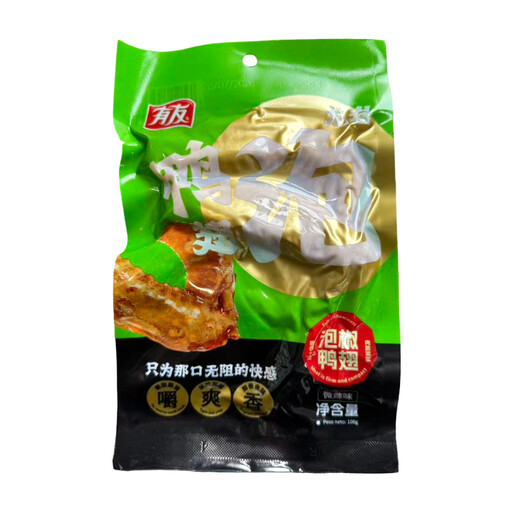
Why This Fits Their Persona: Perfect for those who don't shy away from unique textures. This snack offers an authentic Chinese eating experience that goes far beyond the beaten path of chips and nuts. The chewy texture is meant to be gnawed on, making it an interactive snack.
The "Hot & Sour" description promises a complex flavor that goes beyond just heat. The ingredient list, featuring star anise, bay leaf, and Sichuan pepper, confirms this. The vacuum-sealed packaging ensures the product stays fresh and intact.
Firm, chewy texture and a deep, sour-spicy flavor. Ready-to-eat and individually packaged.
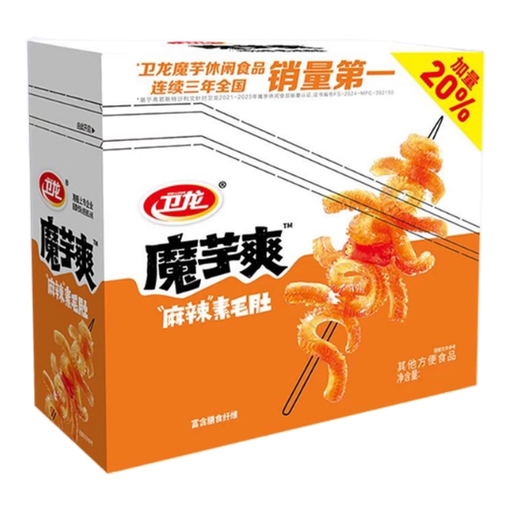
Why This Fits Their Persona: This snack is a godsend for those seeking an intense flavor experience without meat. Konjac, a plant, is processed into strips with a texture reminiscent of tripe, then seasoned with the classic Sichuan mala flavor.
This product delivers exactly what its name promises: "Numbing & Spicy." It bypasses the 'authentic lie' trap by actually delivering the signature numbing flavor of Sichuan pepper. This is a true mala experience.
Completely vegetarian with a unique, satisfyingly chewy texture. The authentic mala flavor is prominent. Individually wrapped in a large box, convenient for sharing.
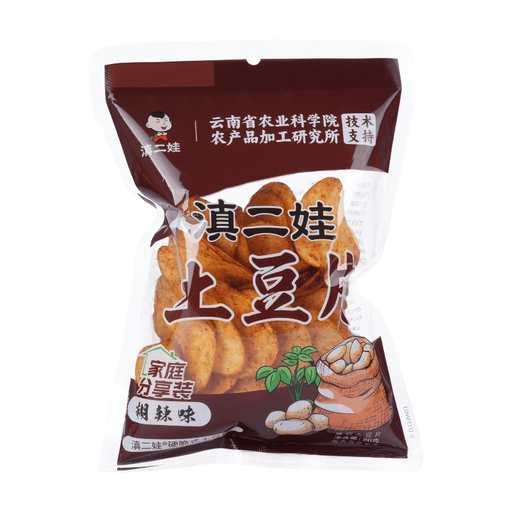
Why This Fits Their Persona: For those who love the familiar form of potato chips but crave a much more intense and complex flavor. These chips offer a smoky, spicy, and tingly experience you won't find in a regular supermarket.
The addition of "Tingly" is a clear reference to the mala sensation. This product avoids the one-dimensional heat trap by offering a complex flavor profile with both chili and Sichuan pepper, resulting in a smoky depth.
Light, crispy texture from a non-fried process. The flavor is smoky, spicy, and numbing—an authentic representation of a modern Chinese snack.
We've compiled a complete, up-to-date list of products that meet these selection criteria. Find your new favorite snack.
1. What's the difference between spicy and 'mala'? "Spicy" typically refers to the hot sensation from chili peppers (capsaicin). "Mala" is a Chinese term that combines two sensations: má (麻), the numbing, tingling sensation from Sichuan peppercorns, and là (辣), the spiciness from chili peppers. A snack with mala flavor, therefore, provides not only a burning sensation but also a unique tingle on your tongue and lips.
2. What's the best way to store these snacks? Most ready-to-eat Asian snacks are vacuum-sealed or packaged in a nitrogen-flushed bag to keep them fresh. Unopened, it's best to store them in a cool, dry place. After opening, it's advisable to put crispy snacks (like chips or crackers) in an airtight container to prevent them from going soft. Moist or marinated snacks (like duck parts or konjac) should be stored in the refrigerator and consumed within a few days.
3. Are there vegetarian options if I want to buy hot snacks? Absolutely. There is a growing range of vegetarian Asian snacks with intense flavor. Popular options include snacks made from konjac (like the Wei Long snack above), spicy seasoned potato products, seasoned broad beans, and spicy bamboo shoots. Always read the ingredients list to ensure no animal products are included.
