
Vandaag of morgen in huis

Kwaliteit gegarandeerd

Welkomstaanbiedingen ontgrendelen: GRATIS bezorging | Tot 80% korting | Gratis 30 dagen JoyPlus-proefperiode
Download de app
Are you searching for that perfect, tingling kick from spicy Asian snacks, but often end up disappointed? You're not alone. The shelves are packed with products that promise "heat" but are, in reality, mostly sweet or salty. It's a common problem when shopping online for authentic flavors.
As a Joybuy Product Recommendation Officer, I see the challenges consumers face every day. Before you fill your shopping cart, it's wise to be aware of a few common pitfalls:
By paying attention to these points, you can avoid a disappointing purchase and find the snacks that truly match your taste.
To make the right choice, it helps to look beyond marketing terms. Focus on these three concrete specifications to find exactly what you're looking for.
Not all heat is created equal. The source of the spiciness defines the entire flavor experience.
Texture can make or break a snack. Pay attention to the preparation method, as it reveals a lot about the final bite.
Many popular Asian snacks are not just spicy but have a sophisticated balance. Sweet and spicy snacks are incredibly popular. Check the ingredient list for additions like sugar, fruit puree, vinegar, or soy sauce. These ingredients create a complex flavor profile that goes beyond mere heat, ensuring a more satisfying snack experience.
Based on clear product characteristics, we have selected a few options that cater to different preferences.
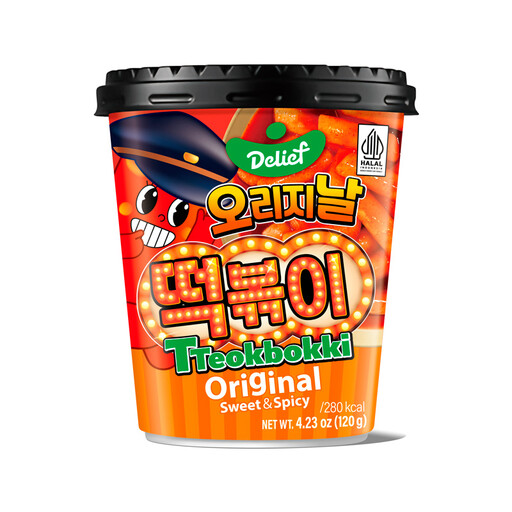
Why This Fits Their Persona: Perfect for students or busy professionals who want a quick, warm, flavorful, and satisfying meal or snack. This cup is ready in minutes and offers the authentic Korean tteokbokki experience without the hassle.
The name "Sweet & Spicy" is a clear indicator of the flavor profile, so you don't get a vague "spicy" illusion. The texture of the rice cakes is consistent and chewy, just as it should be.
Quick and easy to prepare. Offers a balanced sweet-spicy flavor and is HALAL-certified.
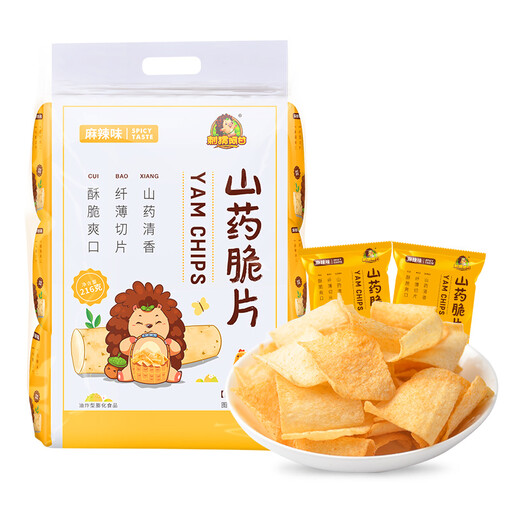
Why This Fits Their Persona: Ideal for those seeking unique Asian party snacks. The large, shareable bag and distinct mala flavor make this a perfect snack for gatherings with friends who appreciate a culinary experiment.
The "Mala Spicy Flavor" specification avoids the vague flavor pitfall. You know to expect a numbing spiciness. The non-fried process ensures a light, crispy texture, not a soggy disappointment.
Unique tingling and numbing spiciness (mala). Light, crispy texture from the puffing process. Large bag, ideal for sharing.
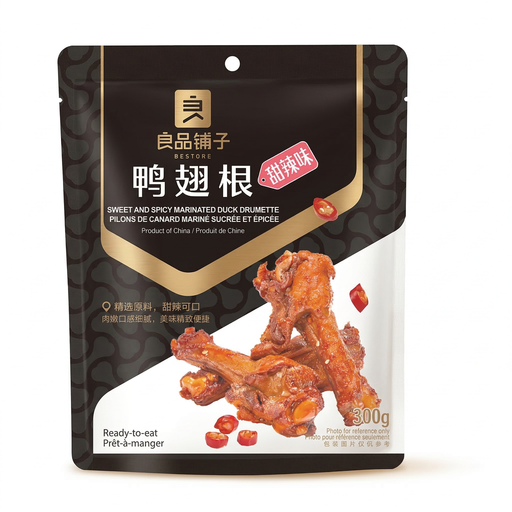
Why This Fits Their Persona: For the foodie or expat searching for an authentic Chinese snack. This isn't your everyday chip, but a traditional, savory snack with a complex flavor reminiscent of home or a culinary journey.
This product avoids the pitfall of a Westernized taste. It's a specific, traditional snack from a well-known Chinese brand. The flavor is layered (sweet, salty, spicy, umami) and not one-dimensional.
Authentic, complex flavor. Tender meat and a satisfying texture. Ready-to-eat as a snack or side dish.
We have compiled a complete, up-to-date list of products that fully meet these strict selection criteria and current regulations.
While there is a lot of overlap, there are some general differences. Korean snacks often use gochujang (chili paste) and gochugaru (chili flakes), resulting in a deep, often sweet-spicy and savory flavor. Chinese snacks, particularly from the Sichuan region, are known for using the Sichuan peppercorn, which provides the characteristic mala (numbing and spicy) taste.
Look beyond the flame icons on the packaging. Check the ingredient list: is chili pepper or chili extract listed high up? Products with "mala" or Sichuan pepper will provide a different, tingling kind of heat. Sometimes, brands like Man Tian Xing with their dried chili peppers provide a heat rating (e.g., 60,000 on the Scoville scale). When in doubt, start with a product described as "sweet & spicy."
Definitely not. The range is incredibly diverse. Besides spicy chips and spicy instant noodles, you can find:
