
Vandaag of morgen in huis

Kwaliteit gegarandeerd

Welkomstaanbiedingen ontgrendelen: GRATIS bezorging | Tot 80% korting | Gratis 30 dagen JoyPlus-proefperiode
Download de app
Buying spicy Asian products seems straightforward until you are faced with a shelf or online shop full of Asian sauces, curry pastes and noodles. Bright red packaging tells you little about the actual flavour, portion size or ingredients. Terms such as “authentic” and “extra hot” do not always provide a useful basis for comparison either.
If you want to make an informed choice, focus on three key points: the type of heat you are looking for, how much you actually receive and what the ingredients and allergen label say.
Chilli can be fiery, but Asian cuisines often combine heat with sour, sweet, salty and umami flavours, as well as aromatic herbs and spices. For example, a tom yum paste should offer more than heat: it should also have a sour, aromatic character. Gochujang, on the other hand, is all about sweetness, fermented flavour and savouriness.
So do not just look for terms such as “hot” or “chilli”. Check whether the ingredients also include lemongrass, lime, garlic, ginger, Sichuan pepper, sesame or fermented grains.
A 900-gram jar may seem appealing to a household that cooks frequently, but opened paste usually needs to be stored appropriately. The storage instructions and shelf life after opening may vary from one product to another. For occasional use, a 43-gram tube or a 225-gram jar may be more practical.
For catering, meal prep or larger households, packs of 1.82 to 2 kilograms may be a better fit. So compare the price per 100 grams, rather than just the price of the pack.
Claims such as “natural”, “authentic” or “mild” should not be the only basis for your decision. According to the product information provided by the brands concerned, composition, origin and allergens may vary. Always check the label on the packaging, especially if you need to avoid gluten, soya, peanuts, sesame, mustard, milk or egg.
Also check the salt content. For example, the product information for Cock Brand Tom Yum Paste lists 12.8 grams of salt per 100 grams, while S&B Wasabi Flavour Horseradish Paste lists mustard as an allergen. Use this type of information to compare products.
A paste supplied without noodles gives you more freedom. A meal kit with separate sachets of oil, vinegar and seasoning is quicker to prepare and lets you control the intensity more easily.
A 70- or 225-gram jar is suitable for a few dishes, while a pack of 500 grams or more is better suited to regular use. With instant noodles, the net quantity per portion and the preparation method are important: some products only require hot water, while others need to be boiled for five to seven minutes.
Also check whether the pack contains one meal, multiple portions or just a seasoning ingredient. The Nissin Instant Soba Noodles Cup Chilli is sold, for example, as a set of 8 cups weighing 92 grams each. The noodles are designed to be prepared with hot water. This is practical for work, studying or eating on the go, but less suitable if you want full control over the ingredients and salt content.
Spicy pasta sauce may contain milk or egg in addition to tomatoes and chilli. For example, the product information for g’woon Spicy Italian Pasta Sauce lists milk and egg as allergens. Chinese noodles often contain wheat, soya and sesame. The product information for Yu Mei Fushun Mala Ban Stir-Fried Noodles also lists peanuts.
Pay attention to the following:
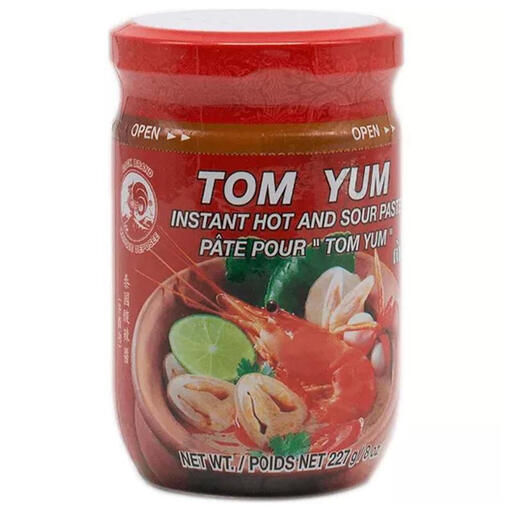
Why it suits this profile: A compact jar for anyone who wants to try a hot and sour Thai base without immediately buying a large pack.
The product information lists specific uses, including soup, noodles, seafood and vegetables. This makes it clear how to use the paste.
227 grams, ready to use as a flavour base and made, according to the label, with ingredients including lemongrass, lemon juice and cayenne pepper.
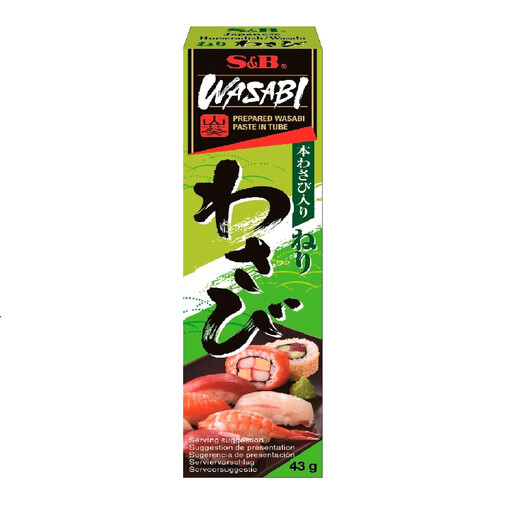
Why it suits this profile: Ideal for anyone who values precise portioning and a compact condiment for Japanese dishes.
The tube makes it easy to use small amounts, so you do not use more paste than necessary with sushi, soba or a dressing.
43 grams, ready to use and, according to the product information, suitable for both Japanese and Western dishes.
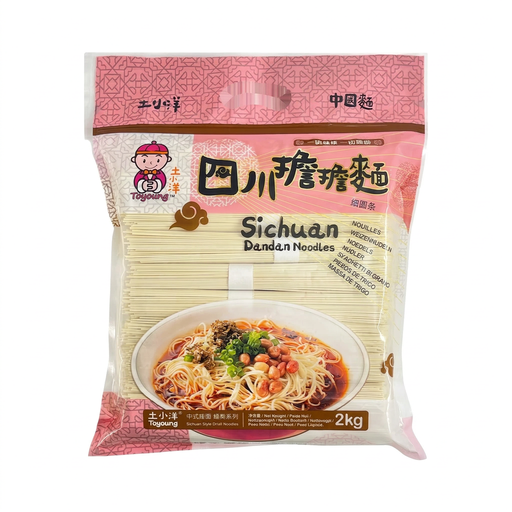
Why it suits this profile: A practical choice for catering, food service, larger households and home cooks who regularly prepare Sichuan noodles.
The pack clearly states 2 kilograms and lists only wheat flour, water and salt as ingredients. You choose the sauce and level of heat yourself.
A large bulk pack, wheat noodles for Dan Dan dishes and versatile use in stir-fries, soups and cold noodle salads.
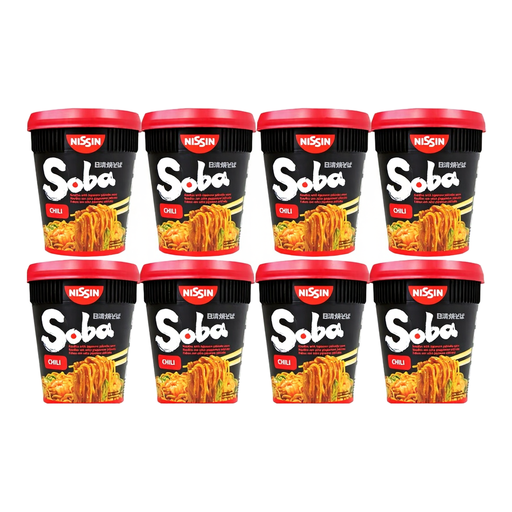
Why it suits this profile: Convenient for students, office supplies or households looking to prepare a quick individual spicy meal.
The portions are individually packed and preparation is simple. That means you do not have to open a large jar of sauce for a single meal.
8 cups of 92 grams, with soba noodles, chilli sauce and vegetables such as cabbage and red pepper. Please note: the product information lists wheat and soya.
We have put together a complete, up-to-date list of products that fully meet these strict selection criteria and the applicable European safety regulations.
Gochujang is a Korean red pepper paste with a sweet, savoury and fermented flavour. Curry paste, such as Thai curry paste, often contains aromatics such as lemongrass, garlic, galangal and spices. Gochujang works well with marinades, rice and stews, while curry paste is often diluted with coconut milk, stock or water.
Start by using only part of the chilli oil or seasoning sachet. Then add extra noodles, vegetables, egg, tofu or an unsweetened base to spread out the flavour. With sauces and pastes, you can gradually increase the amount. Do check the preparation instructions, as not every product is intended to be eaten undiluted.
This varies from product to product. Some packs recommend cool, dry storage; others, such as the Koh Thai Green Curry Paste described above, must be refrigerated after opening. Always follow the label and the information about the best-before date or storage period after opening. Keep the lid or jar tightly closed and do not use the product if the packaging is damaged.
