
Vandaag of morgen in huis

Kwaliteit gegarandeerd

Welkomstaanbiedingen ontgrendelen: GRATIS bezorging | Tot 80% korting | Gratis 30 dagen JoyPlus-proefperiode
Download de app
Are you searching for that authentic, spicy kick for your dishes, but feel overwhelmed by the options in the online Asian supermarket? You're not alone. The shelves, both physical and digital, are packed with jars and bottles all promising an intense flavour experience. Yet, all too often, you end up with a product that disappoints.
As a Joybuy Product Recommendation Officer, I'm here to help you make the right choices. We'll look beyond the marketing and focus on what truly matters. First, let's discuss a few common pitfalls.
Choosing the wrong sauce or paste can make or break your dish. Many shoppers fall into the same traps, leading to a pantry full of unused jars.
sweet chili sauce or ready-made marinades, the amount of sugar or salt can be surprisingly high. This not only dulls the spicy and aromatic flavours but also makes the product less versatile.To avoid these disappointments, it's helpful to know what to look for. By checking a few key elements, you can make a much better assessment of the quality and flavour.
Not all peppers are created equal. The source of the heat determines the product's character.
Korean hot sauce. Sichuan peppercorns, on the other hand, create a unique, numbing tingle (known as málà). A sambal based on Madame Jeanette peppers has a fruity, intense heat.A good spicy product is more than just hot. It's all about balance.
chili oil is a perfect example of this; the oil itself is infused with flavour.boemboe) provide a savoury depth that balances the heat and makes the dish more complete.Consider what you want to use the product for. A dipping sauce has a different texture and flavour balance than a boemboe intended as a base for a curry. A finishing oil like chili crisp is added at the end for texture and flavour, while a marinade is left to soak for hours. When you visit an Asian supermarket online, it helps to filter by use: cooking paste, dipping sauce, or table condiment.
To get you started, we've highlighted a few popular choices that suit different needs and cooking styles.
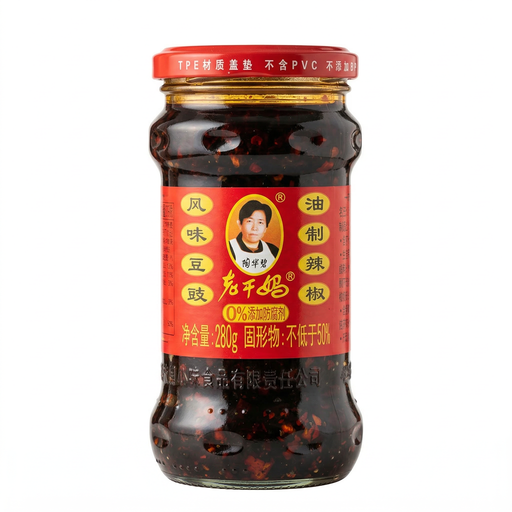
Why This Fits Their Persona: Perfect for those who want one jar in the fridge that goes with almost anything. This chili oil is an icon, instantly adding a savoury, complex, and mildly spicy flavour to noodles, rice, eggs, or vegetable dishes.
This is the opposite of 'heat without depth'. The fermented black soybeans provide an intense umami flavour that perfectly balances the heat.
Extremely versatile: use it as a dipping sauce, in stir-fries, or as a topping. It adds an interesting texture in addition to flavour.
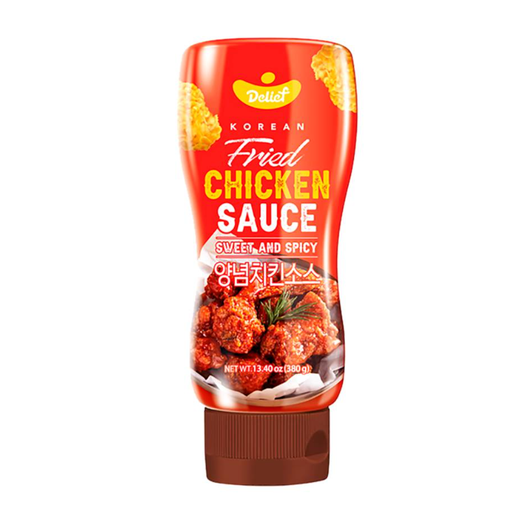
Why This Fits Their Persona: For anyone who wants to make that addictive, sticky, and spicy Korean fried chicken at home. This sauce is specifically designed for coating fried chicken.
This isn't a generic sweet chili sauce. Its base of gochujang (Korean chili paste) ensures an authentic, complex flavour that goes beyond just sweet and spicy.
The thick consistency is ideal for clinging to the chicken without immediately sliding off. It offers a great balance of sweet, savoury, and spicy.
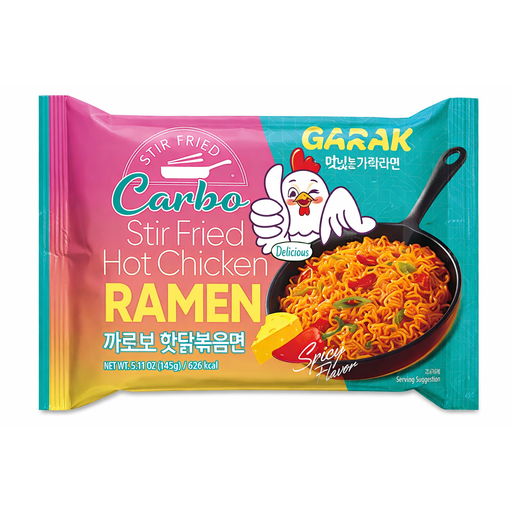
Why This Fits Their Persona: Ideal for students or anyone who wants to put a satisfying and very spicy meal on the table quickly. These `spicy ramen` are a phenomenon, and this is an excellent version.
The "Carbo" (carbonara) cheese flavour adds a creamy, smooth texture that balances the intense heat of the 'hot chicken' sauce. This prevents a one-dimensional, burning experience.
A complete meal kit that's ready in minutes. The combination of chewy noodles, creamy sauce, and a spicy kick is highly satisfying.
We have compiled a complete, up-to-date list of products that fully meet our strict selection criteria.
Spiciness can vary greatly. A good indicator is the ingredients list. Products with specific, well-known hot peppers like Habanero or Madame Jeanette are often spicier than those with generic "chili." The percentage of chili can also be a hint. However, the best method is to start cautiously: add a small amount and taste before adding more.
Although both are spicy, they differ in their base and use. Chili oil is an oil infused with chili and other aromatics (like garlic or Sichuan pepper). It's often drizzled over a dish as a finishing touch for flavour and texture. Sambal is a paste made from ground peppers, often mixed with salt, vinegar, and sometimes trassi (shrimp paste) or onion. It is used both as a table condiment and as an ingredient during cooking.
For an authentic Korean flavour, it's not recommended. Gochugaru has a unique, mild, fruity, and slightly smoky taste that is essential for dishes like kimchi and Korean stews. Standard supermarket chili powder is often hotter and has a flatter, more earthy flavour, which will give your dish a completely different character. If you're considering buying chili oil for a Korean dish, check if it contains gochugaru for the right taste.
