
Vandaag of morgen in huis

Kwaliteit gegarandeerd

Welkomstaanbiedingen ontgrendelen: GRATIS bezorging | Tot 80% korting | Gratis 30 dagen JoyPlus-proefperiode
Download de app
A bowl of noodles that looks promising on the packet can disappoint once you get it home. The sauce might be too salty, the portion smaller than expected, or the flavour just isn't what you were after. When it comes to spicy Asian noodles and sauces, making the right choice isn't just about the word "spicy" – it's also about preparation, ingredients, allergens and pack size.
Whether you're looking for instant noodles, Chinese spicy noodles, Korean chilli sauce, or a stash for busy workdays, check these points first.
Heat can come from chilli powder, chilli oil, chilli paste or an extract. The flavour profile varies enormously:
So don't just look at the intensity of the chilli – also consider sourness, sweetness, umami and spices.
A multipack is handy for students, offices or the store cupboard, but check how many portions you actually get. A set can consist of different weights and preparation times. With a noodle meal set, it's also important to check whether all the variants contain the same allergens.
When you open a pack, also check the best-before date and store dry products in a cool, dry place away from direct sunlight. Sauces should be stored according to the label after opening. The Zhou Hei Ya sauce, for example, states that it must be refrigerated after opening; the exact usage period is on the packaging.
A sauce with plant-based proteins can still contain soya, wheat or sesame. The Huiji noodles with roasted pepper and plant-based beef sauce contain, according to the product information, wheat, soya and sesame. If you have an allergy, always check the full ingredients list and any warnings on the packaging.
In the UK, allergens must be clearly labelled, but recipes vary by flavour and product line. Pay particular attention to:
If you want to eat vegan, don't just look for "plant-based" – also check for ingredients like shrimp extract, chicken flavouring or fish sauce. You should therefore always verify the vegan noodles claim against the label.
Instant noodles are quick, but not all are prepared the same way. A Kuan Red Oil Noodles, according to the product information, require about 350 ml of boiling water and two minutes covered. A Kuan Chongqing Noodles are first boiled for three to four minutes and then mixed with the soup base, chilli oil and vegetables.
A dry noodle with sauce is different from a spicy noodle soup. With dry noodles, you usually drain the cooking water; with soup noodles, some of the liquid is retained. So check whether you need a bowl, pan or colander.
Compare the net weight and nutritional values per 100g. This makes it easier to compare smaller packs with multipacks. Pay particular attention to salt: the values in this category vary widely. The product information for A Kuan Red Oil Noodles, for example, states 3.53g of salt per 100g, while the Haidilao Sesame Sauce Powder states 6.7g.
That doesn't mean you should rule out a product, but it does mean you can adjust the amount of sauce or seasoning. With chilli sauce, you can also dose it yourself rather than adding the whole sachet.
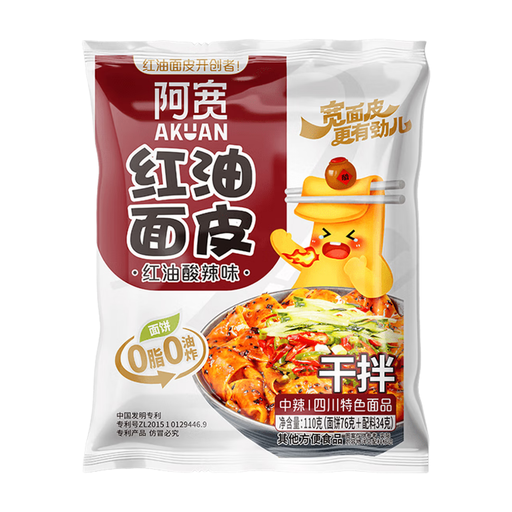
Why it fits the profile: A single portion with clear preparation instructions and a combination of sour and spicy. Handy for trying Sichuan flavours for the first time.
The 110g portion and separate sachets make dosing straightforward. The ingredients list mentions wheat and sesame, so you can check in advance whether it's suitable.
Wide, sturdy wheat noodles; preparation with around 350ml of boiling water and two minutes' waiting time.
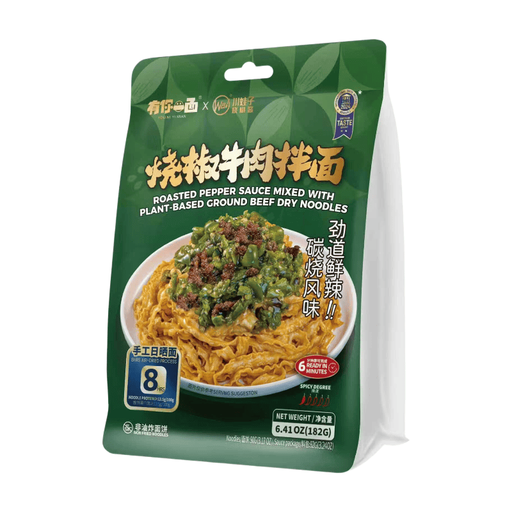
Why it fits the profile: For those looking for a richer dry noodle meal with multiple sauce components and plant-based proteins.
The separate sachets give you control over the amount of roasted pepper sauce, sauce and plant-based sauce. The product is not automatically allergen-free: wheat, soya and sesame are listed.
182g per pack; wheat noodles with 97.9% wheat flour and three separate sauce sachets.
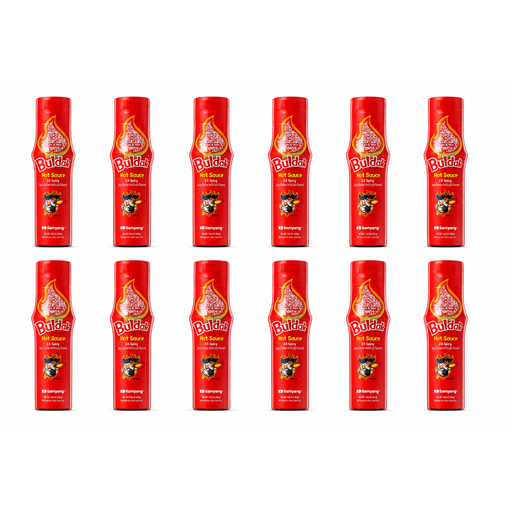
Why it fits the profile: A multipack for those who regularly use Korean chilli sauce in noodles, rice or other dishes.
You can dose the sauce per portion, so you're not reliant on a full seasoning sachet. Do check the listed allergens: soya, wheat and celery.
Twelve bottles of 165ml; ready to use without cooking and ideal for controlling the amount yourself.
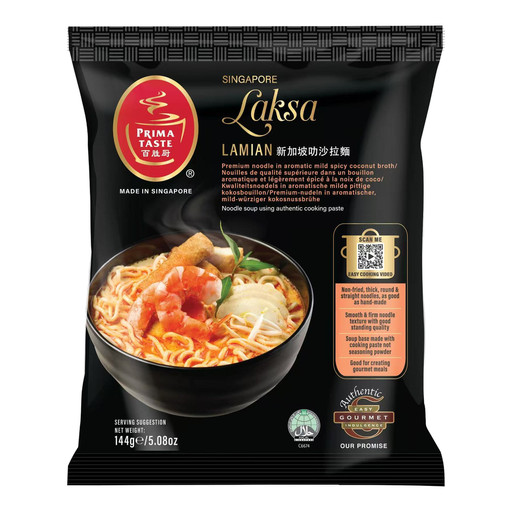
Why it fits the profile: For those who, alongside Chinese and Korean flavours, also want to try a spicy laksa with chilli and aromatic spices.
The ingredients make it clear that this is not a neutral chilli sauce: the sauce contains, among other things, dried shrimp, galangal and turmeric. This allows you to choose based on flavour and allergens.
144g; wheat noodles and a laksa sauce with chilli, galangal, turmeric and crustaceans.
We've put together a full, up-to-date list of products that fully meet these strict selection criteria and comply with current European safety regulations.
First, use only part of the chilli oil or sauce and add more later. You can bulk out the meal with extra noodles, vegetables or an unseasoned stock. With dry noodles, draining them well helps you better control the final amount of sauce.
This varies by product. Store an opened sauce according to the label, usually tightly sealed and sometimes refrigerated. If in doubt, note the opening date and don't rely solely on smell, colour and texture to judge it. Always follow the instructions on the packaging.
Check the ingredients, allergens and any warnings about cross-contamination. For vegan noodles, pay particular attention to chicken flavouring, shrimp, fish sauce, milk and egg. For halal eating, look for an explicit halal certification, as with some noodle products, and keep checking the packaging.
