
Vandaag of morgen in huis

Kwaliteit gegarandeerd

Welkomstaanbiedingen ontgrendelen: GRATIS bezorging | Tot 80% korting | Gratis 30 dagen JoyPlus-proefperiode
Download de app
Spicy Asian instant noodles are popular with students, fans of Korean ramen and anyone who wants to get a hot meal on the table quickly. Yet many packets look more alike than their contents might suggest. A noodle bowl can make a quick meal, while a multipack or meal set may need more preparation and extra ingredients.
As a Joybuy Product Recommendation Officer, I focus on things you can check: the type of noodle, how it’s prepared, portion size, allergens and the ingredients in the seasoning mix. That way, you won’t be swayed by eye-catching packaging or claims of “extreme” heat alone.
A product can be very hot but lack depth of flavour. Korean ramen such as Buldak ramen often combines chilli with a sauce-like base. Chinese instant noodles, on the other hand, can be sour, aromatic or slightly numbing thanks to Sichuan pepper. So check the full flavour description:
The term “mala” doesn’t indicate a standard level of heat. Your experience will also depend on how much oil, sauce and seasoning you add.
The packet shows the total net weight. This can include noodles, soup base, oil, vegetable sachets and sauce. A 346-gram set, for example, contains several components, while a bowl of around 100 grams is mainly intended as an individual portion.
So check:
Preparing instant noodle soup isn’t always just a matter of adding boiling water. Some Korean ramen needs to be boiled first and then mixed with sauce. Other products require a microwave, a saucepan or several seasoning sachets.
Cups and bowls are handy for a quick lunch. Meal sets with vegetables, chilli oil and several seasonings can make a more substantial meal, but they take more time to prepare and create more washing-up.
Wheat noodles are firm and work well in Korean ramen, Chinese noodles and wide Sichuan noodles. Rice noodles are often smoother and are regularly used in sour, spicy soups. Potato starch noodles are translucent and elastic, like the noodles used in mala tang. Udon noodles are thicker and chewy; they work well with sauces and stir-fries.
Choose based on how you plan to use them:
A bowl that needs 4 to 5 minutes with boiling water is a good choice for the office, a student room or when you’re out and about. Products prepared in a pan often give you more control over the texture. A microwave option can be convenient, but check that the packaging is suitable and follow the instructions on the label.
Many spicy noodles contain gluten, soya, sesame or peanuts. Some varieties also contain milk, celery, mustard or sulphites. Always check the current packaging, especially if you have a food allergy.
Salt content also varies considerably. Product specifications often list values per 100 grams, rather than per prepared portion. If you don’t use all the oil or seasoning, the flavour and composition of your meal will change. This doesn’t guarantee a particular nutritional value, so check the label for that.
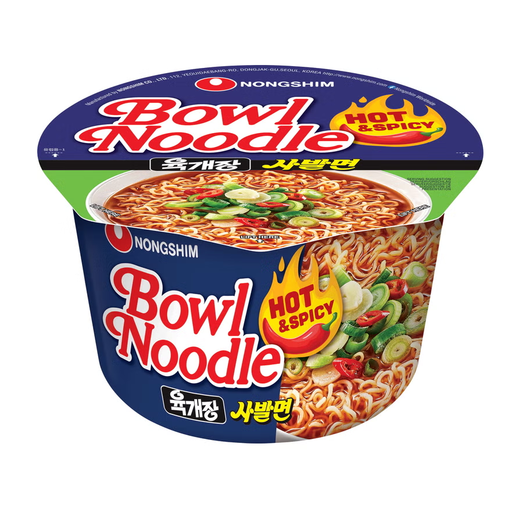
Why it suits this profile: This bowl is made for a quick meal for one. Add the soup base and vegetable garnish, pour in boiling water up to the fill line and wait 4 to 5 minutes.
The portion size and preparation instructions are clear, so you won’t be left with a large meal set or several cooking steps.
Bowl format, dried vegetables and a preparation time of 4 to 5 minutes. Contains gluten and soya.
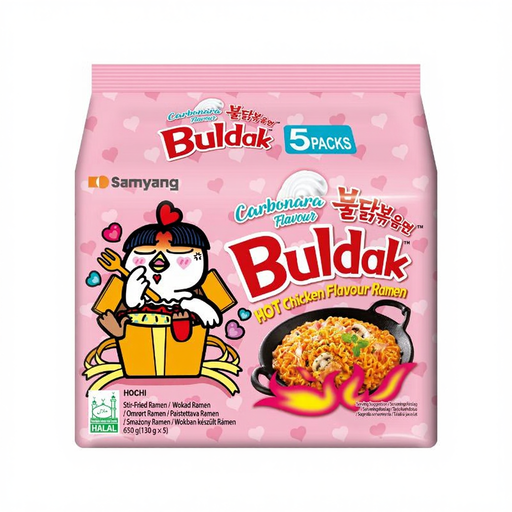
Why it suits this profile: This multipack is a good choice for fans of hearty, saucy Korean ramen with a creamy carbonara-style flavour and chilli.
It’s not all about the heat: the set includes a sauce and powder mix with ingredients such as milk derivatives, chilli and garlic.
Five 130-gram portions and firm wheat noodles. Contains gluten, soya, milk and celery.

Why it suits this profile: This mala tang set is ideal if you want to combine different flavours and textures and don’t mind using around 500 ml of water in a pan.
The set makes it clear that the meal includes potato noodles, vegetables, broth, chilli oil, vinegar and a peanut and sesame paste. You can add each component to taste.
346 grams in total, a vegetable pack and several flavour components. Contains wheat, soya, peanuts and sesame.
We’ve put together a full, up-to-date list of products that meet these strict selection criteria and comply with current European safety regulations.
Don’t add all the chilli oil or sauce straight away. If the product has separate sachets, you can gradually add more to taste. An egg, tofu, vegetables or extra noodles can make the meal taste milder, but always check the preparation instructions and allergen information.
Check the best-before date on the packet. Store unopened products in a cool, dry place away from direct sunlight. Many varieties should be eaten straight after opening or preparation. Always follow the information on the packaging, as ingredients and shelf life vary from product to product.
It depends on the size and contents. A simple bowl usually contains one portion and few extra components. Meal sets with vegetables, oil and several seasoning sachets, or packs containing five to ten packets, cost more per pack but may work out cheaper per portion. So compare the price per portion, not just the price of the whole pack.
