
Livraison le jour même et le lendemain

Qualité garantie

Débloquez vos offres de bienvenue: Livraison GRATUITE | Jusqu'à -80 % | 30 jours d'essai gratuits à JoyPlus
Téléchargez l'application
A bowl of spicy Asian instant noodles is ideal for a quick meal, but not every pack suits the same taste or eating habits. A large box may seem like good value, only for you to discover after one serving that the sauce is too hot. Terms such as “authentic”, “beef” or “non-fried” can also give an incomplete picture.
As a Joybuy Product Recommendation Officer, I therefore focus on verifiable information: weight per serving, preparation method, ingredients, allergens, salt content and the number of packs. This allows you to compare Chinese instant noodles, Korean ramen and Japanese instant noodles without relying solely on the front of the packaging.
Spiciness can come from chilli powder, chilli oil, Sichuan pepper or a concentrated sauce. For example, a product containing Sichuan pepper delivers not only heat, but also a tingling or numbing sensation in the mouth. Korean fire chicken varieties often use a thick sauce with a sweet and spicy flavour.
So check whether the flavour comes in a broth, oil, sauce or separate seasoning sachet. With many products, you can add only part of the sauce and adjust the intensity to your taste.
An instant ramen multipack is practical for students, families or keeping in the cupboard, but always compare the total weight and number of servings. A box with twenty sachets may look larger than a five-pack, but the weight per serving can vary. Also consider the preparation format: cup noodles are convenient, while sachets often use less packaging per serving.
Some beef noodles contain beef extract or beef seasoning, while other varieties include a separate sachet containing meat. Hefu Noodle states in its product information that the braised meat contains 75% beef. Other products only mention beef seasoning sauce or beef flavour. So check the ingredients list if real pieces of meat are important to you.
For a quick meal, the stated preparation time is not the only thing that matters; the number of steps is important too. According to the product information, Japanese instant noodles such as NISSIN Demae Ramen Spicy Beef are prepared by adding boiling water and waiting for three minutes. Other varieties need to be boiled for three to five minutes before being drained.
Look out for these differences:
Always follow the instructions on the packaging. The current packaging takes precedence if the information on a product page differs.
Wheat noodles, wide noodles, rice noodles and glass noodles each offer a different eating experience. Non-fried noodles are a specific product characteristic, not a general guarantee of a particular nutritional profile. Check the nutrition table per 100 grams as well as per serving.
If you prefer a firm bite, consider semi-dried noodles or thicker wheat noodles. Fans of Sichuan noodles may prefer wide noodles with chilli oil, sesame paste and Sichuan pepper. For a more soup-like bowl, Korean ramen with dried vegetables is a better fit.
Instant noodles often contain several flavourings and relatively high levels of salt per 100 grams. Wu Gu Dao Chang Classic Sichuan Dan Dan Noodles, for example, lists 2,100 mg of sodium per 97 grams. Hefu Hot & Sour Beef Noodle lists 3.30 grams of salt per 100 grams. Compare these values before buying a multipack.
Also check the allergens. This category includes wheat/gluten, soya, sesame, egg, peanuts, fish, milk, celery and sulphites, among others. The ingredients and warnings on the packaging take priority, especially if you have an allergy or intolerance.
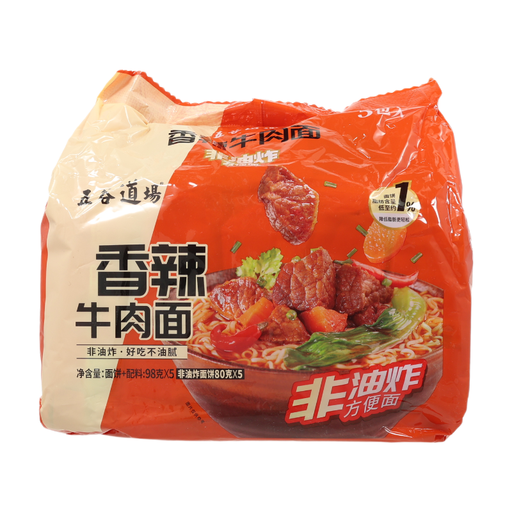
Why it suits this profile: A five-pack with individual servings is easy to manage for students, couples and small households who want to try Chinese instant noodles without immediately buying a large box.
The product information clearly states that the noodles are non-fried, includes beef seasoning and contains five servings. This makes it easier to compare with other beef noodles.
Five individual packs; 98 grams per serving; cooking time and storage instructions are clearly stated.
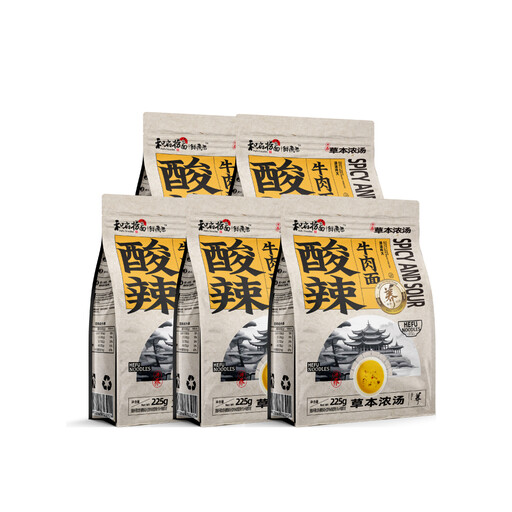
Why it suits this profile: This set is aimed at shoppers looking for a complete bowl with broth, beef and pickled vegetables, and who value a larger serving.
The product description specifies 225 grams per serving, 1.125 kg in total and a cooking time of three to four minutes. Allergens and salt content are also listed.
Semi-dried wheat noodles; separate beef topping pack; five generous servings; hot-and-sour flavour with pickled mustard greens.
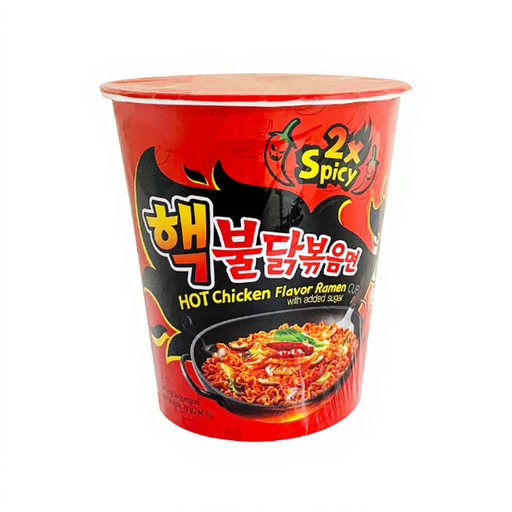
Why it suits this profile: Suitable for fans who are specifically looking for an extremely hot Korean ramen variety and want to mix all the sauce through the dry noodles.
The product information explicitly describes the very high level of spiciness and states that the product is not suitable for children. This makes the flavour expectations clearer.
Dry preparation method; separate chilli sauce and seasoning; clear warning about the intensity.
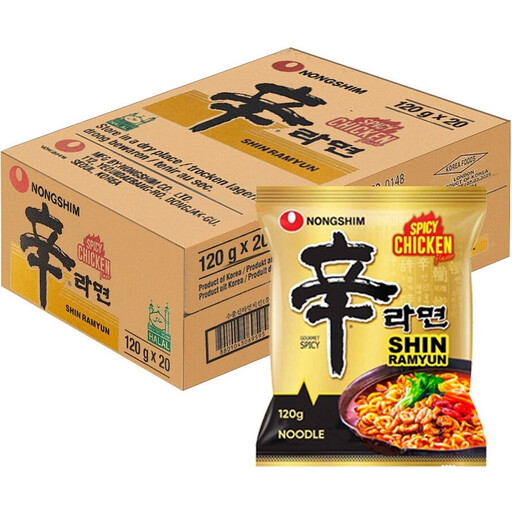
Why it suits this profile: A box of twenty sachets is ideal for households that regularly eat Korean ramen or want to keep a reliable supply for quick lunches.
The box contents, weight per sachet, country of origin — South Korea — and preparation time of four to five minutes are stated. This helps you estimate the stock level and serving size in advance.
Twenty servings; 120 grams per sachet; dried vegetables such as spring onion, carrot, mushroom and red chilli.
We have put together a complete, up-to-date list of products that fully meet these strict selection criteria and the applicable European safety regulations.
Start by adding only part of the chilli oil or sauce. With dry noodles, you can also add extra noodles, egg, tofu or vegetables. Check beforehand whether the sauce is supplied separately; with some products, the seasoning is already mixed into the powder.
The best-before date is printed on the individual pack or outer packaging. Store the noodles according to the instructions, usually in a cool, dry place away from direct sunlight. Do not use a pack if it is damaged, and always follow the information on the current label.
Non-fried describes the production method used for the noodles, but it does not tell you everything about the complete dish. The sauce, oil, serving size and salt content also matter. So compare the full ingredients list and nutrition table rather than relying on a single marketing term.
