
Small-batch dry spice mixer
You grind whole, dry spices for one or a few meals and want to know whether a small amount can be processed and removed from the grinder. Krups Netherlands and Cuisinart Netherlands describe uses for spices.


For regularly grinding small amounts of dry spices, an electric grinder is suitable if the manufacturer specifically lists spices as a recommended use. Then check the bowl and cleaning instructions. A pestle and mortar is a good choice if you want to crush and mix without electricity, while a stick blender attachment only makes sense if you already own a compatible blender. If you also want to make wet pastes, check that the specific model is designed for this.
You grind whole, dry spices for one or a few meals and want to know whether a small amount can be processed and removed from the grinder. Krups Netherlands and Cuisinart Netherlands describe uses for spices.
You want to make marinades or pastes as well as dry spice blends, so you check which ingredients are suitable and how to clean the bowls. Cuisinart Netherlands lists pastes and dips as uses for the SG21BE.
You’d rather not add another standalone electrical appliance, so you’re comparing a manual pestle and mortar with an attachment for a compatible stick blender you already own. Cole & Mason EU and Braun Household Netherlands describe these options.
First decide whether you’ll only be grinding dry spices, whether you also want to make wet mixtures, or whether you’d rather avoid another electrical appliance. The percentages below indicate which needs may be a priority for consumers in this student-kitchen scenario.
| What to consider | What should you look for? | Who is this more important for? |
|---|---|---|
| Small amounts of dry spices | Check that dry spices are suitable, how close the blades sit to the bottom of the bowl, and whether the manufacturer says anything about small quantities. A maximum capacity doesn’t tell you the minimum amount you can grind. | If you grind small amounts of dry spices for one or a few meals, you’ll want to know whether the grinder can handle that quantity effectively. Around 40% of consumers prioritise grinding small amounts of dry spices. |
| Wet mixtures and cleaning | Check which ingredients the exact model can handle, which bowls are included and how they should be cleaned. | If you want to make pastes or dips as well as dry spice blends, you’ll want to know whether the model is designed for this and how to clean the bowls. Around 30% of consumers place the greatest importance on versatility and cleaning. |
| Avoiding another electrical appliance | Compare the size, weight, manual effort and cleaning instructions for the pestle and mortar. | If you want to crush and mix spices without needing a socket, a pestle and mortar could be a good fit, provided you’re happy to do the work by hand. Around 20% of consumers mainly prefer compact tools that don’t need electricity. |
| Making use of a stick blender you already own | Compare the full stick blender model and its connection with the attachment’s compatibility information. | If you already own a stick blender, you’ll want to avoid buying an attachment that won’t fit its connection. Around 10% of consumers prioritise making use of a stick blender they already own. |
The 85 g capacity quoted by Krups Netherlands for the F2034210 doesn’t tell you the minimum amount of spices needed for a good result.
Look for information on small quantities for the exact model, and don’t base your choice on the bowl’s maximum capacity alone.
The Joybuy listing for the Krups F20342 warns against wet or oily ingredients, while Cuisinart specifically lists pastes as a use for the SG21BE. These recommendations don’t automatically apply to other models or versions.
Check the ingredients and cleaning instructions in the manual for the exact model.
Braun lists the MQS270SI as compatible with MQ7–MQ9 models with a straight connection. The attachment won’t work as a standalone grinder.
Check the full model number and connection on your stick blender against Braun’s specifications.
According to Krups Netherlands, the F2034210 is a standalone electric coffee and spice grinder for dry blends.
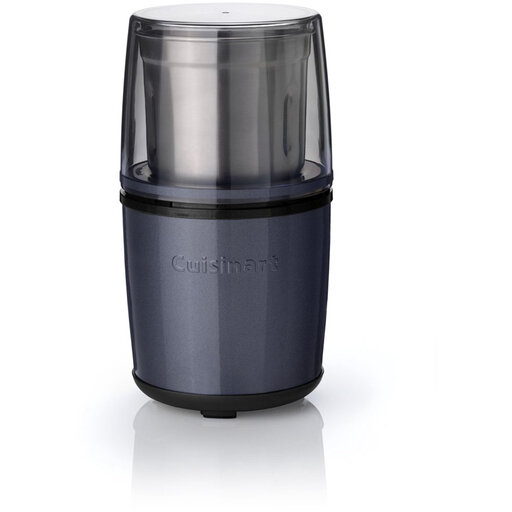
Cuisinart Netherlands describes the SG21BE as a spice grinder, and also lists pastes and dips as suitable uses.
The Dorchester is a manual pestle and mortar for crushing and mixing herbs, spices and seeds.
According to Braun Household Netherlands, the MQS270SI is an attachment for a compatible MultiQuick stick blender, not a standalone grinder.
This selection focuses on electric spice grinders. Check whether each model is suitable for dry ingredients only or can also handle wet mixtures.
 No image available
An option to compare if you want to grind spices; Cuisinart also lists pastes and dips as uses for the SG21BE. Check the instructions and which parts are included with this version.
The product name mentions stainless steel blades, a removable bowl and dishwasher-safe parts.
 No image available
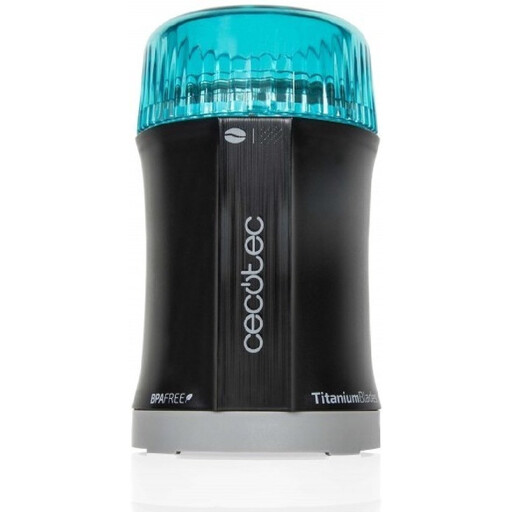
An option for dry spice blends; the instructions list spices as suitable ingredients.
The stated capacity is 50 g. Do not run the grinder continuously for more than 1 minute, then let the motor cool for at least 10 minutes. Do not immerse the motor base, cord or plug in water.
It depends on the exact model. Cuisinart lists pastes and dips as uses for the SG21BE, while the Joybuy listing for the Krups F20342 warns against wet or oily ingredients. Follow the instructions for your specific model.
Follow the instructions for the specific model. For the Dorchester, Cole & Mason recommends wiping it with a damp cloth and drying it thoroughly. Cuisinart says the SG21BE bowls are dishwasher-safe; this doesn’t automatically apply to the motor housing.
The Netherlands Nutrition Centre advises storing whole and ground dried herbs and spices in a sealed jar in a dark place. For opened packets of dried herbs, it recommends a storage period of six months; this isn’t a specific shelf-life estimate for every homemade blend.
According to the Dutch government, you’re entitled to a product that works properly, and the seller must resolve problems with a faulty product. The Netherlands has no fixed statutory warranty period; a manufacturer’s warranty is in addition to your legal rights.
No. The European Commission describes CE as the manufacturer’s declaration that a product meets the relevant EU requirements; there’s no central EU body that issues a CE certificate. CE marking is only compulsory for product categories covered by the relevant harmonised rules.