
Regular batch cook
You regularly grind a dry blend for several meals and want to know how much your grinder can hold at a time and how many batches you’ll need to grind.


If you regularly grind dry garam masala blends, start by looking for an electric grinder that the manufacturer says is suitable for spices, and check how much it can hold at a time. A pestle and mortar gives you a manual way to grind, but takes more effort; a hand mill designed for nutmeg, for example, won’t necessarily be suitable for a whole mixed batch. Removable bowls can make it easier to clean the grinder between recipes.
You regularly grind a dry blend for several meals and want to know how much your grinder can hold at a time and how many batches you’ll need to grind.
You make different blends and want to be able to clean the grinding parts thoroughly between uses.
You want to grind spices without electricity and don’t mind the extra effort involved in using a pestle and mortar.
First, consider how much you want to grind at a time and what the grinder is designed for. Then weigh up how easy it is to clean and whether you’d prefer electric grinding or doing the work by hand.
| What to consider | What should you check? | Who is this important for? |
|---|---|---|
| Amount per grinding session | Check the stated capacity of the exact model and whether it applies to spices. Krups lists a capacity of 85 g for the F2034210. | If you’re grinding enough for several meals at once, you’ll want to know how many sessions you’ll need for your portion. Around 36% of consumers say the amount per session is their top priority. |
| Cleaning between blends | Check whether the bowls are removable and which parts the manufacturer says are dishwasher-safe. | If you make different blends, you’ll want to clean the grinding parts between uses. Around 29% of consumers put cleaning first. |
| Suitability for your blend | Compare your recipe ingredients with the intended use of the exact model and follow the grinding instructions. | If you make a blend with different spices, you’ll want to know whether the appliance is designed for this. Around 21% of consumers make suitability their top consideration. |
| Manual grinding | Compare the bowl size with your portion and check the care instructions. | If you want to grind without an electric appliance and don’t mind the extra effort, a pestle and mortar could suit the way you work. Around 14% of consumers prioritise grinding without electricity. |
Microplane describes its Spice Mill as being for individual hard spices, such as nutmeg and cinnamon. That doesn’t automatically mean it’s suitable for a mixed batch of garam masala.
Compare the manufacturer’s intended use with all the ingredients in your recipe. A tool for individual spices may involve extra work or require a second grinding tool.
Krups lists a capacity of 85 g for model F2034210. A Joybuy listing for the F20342 gives a different capacity; this doesn’t confirm the capacity of the same version.
Base your choice on the specifications for the exact model you’re considering.
Care instructions vary by product. Cuisinart says the bowls for the SG21BE are dishwasher-safe, while Cole & Mason recommends wiping the Dorchester with a damp cloth and drying it thoroughly.
Follow the instructions for each model and part separately.
The SG21BE is an electric spice and nut grinder with removable bowls, designed for those who want to switch between recipes.
The F2034210 is an electric coffee and spice grinder.
The Dorchester is a compact granite pestle and mortar for crushing and grinding by hand.
The Spice Mill is designed for individual hard spices, such as nutmeg and cinnamon.
The Mini 0648199990 is an adjustable hand mill for small amounts of herbs or spices.
This selection includes electric spice grinders and manual pestle and mortars for grinding spices for garam masala.
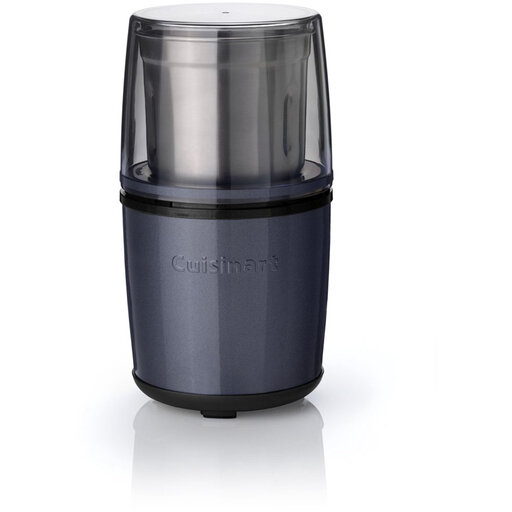 No image available
This electric grinder is designed for grinding dry spice blends and cleaning the bowls between recipes.
Cuisinart says the SG21BE has two removable, dishwasher-safe stainless-steel bowls.
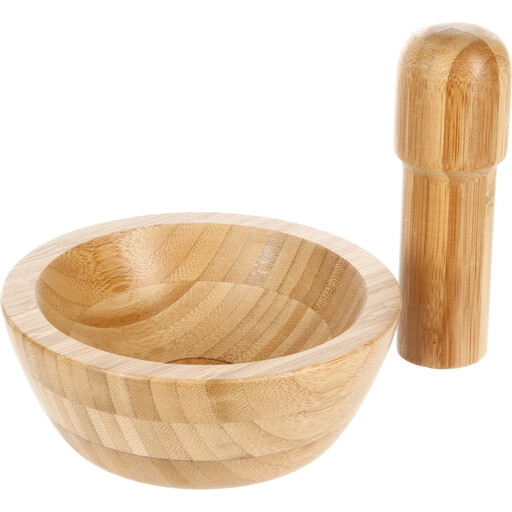 No image available
This pestle and mortar is a manual option if you want to grind herbs and spices without an electric appliance; preparing a batch this way takes extra effort.
The product information gives a size of 13 cm and says to hand wash.
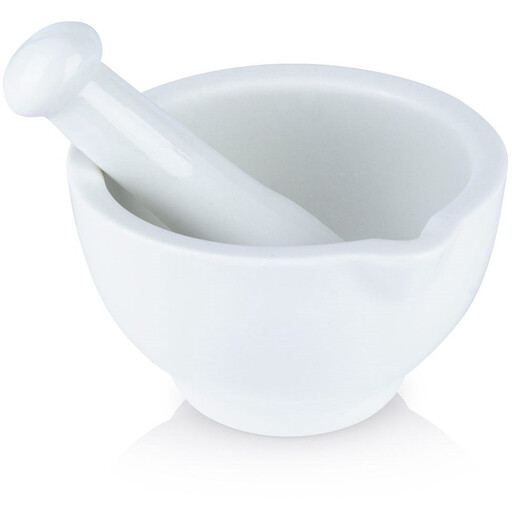 No image available
A manual pestle and mortar could suit you if you want to crush and grind spices yourself; bear in mind that larger batches will take extra effort.
The product name gives a size of 10 cm.
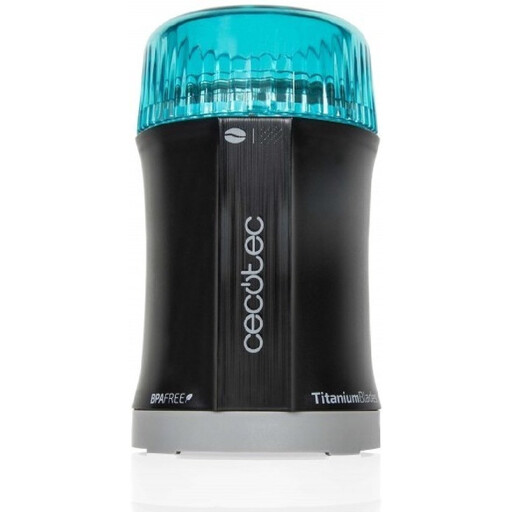 No image available
The product information lists spices as a suitable use; check that it’s right for the ingredients and quantity in your batch.
Do not run the motor for longer than 1 minute at a time, and then let it cool for at least 10 minutes.
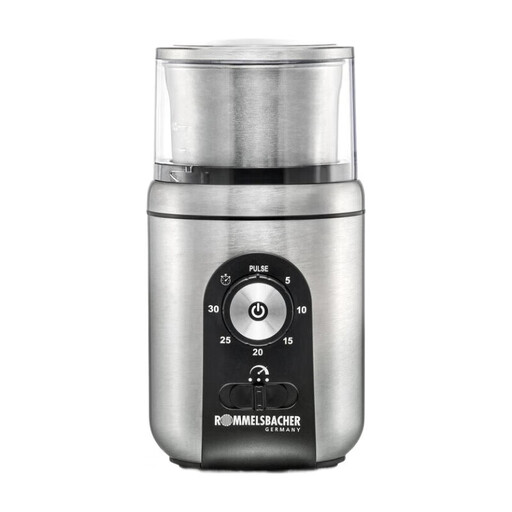 No image available
This grinder is an option for dry spice blends; the product information lists two removable bowls for different ingredients.
After brief use for 0.5 minutes, the appliance needs to cool down.
No, toasting isn’t a requirement when choosing a grinder. Good Food’s garam masala recipe toasts the whole spices first, then grinds them in a spice grinder or pestle and mortar.
Follow the instructions for the exact model. Cuisinart says the bowls for the SG21BE are dishwasher-safe; Cole & Mason recommends wiping the Dorchester with a damp cloth and drying it thoroughly. These care instructions don’t automatically apply to other models.
Store the blend in an airtight container in a cool, dark place. Good Food’s general storage guide recommends using it within three months to preserve its full flavour; a separate recipe says it can be kept for up to six months in a sealed jar. These are culinary recommendations, not statutory shelf-life limits.
In the Netherlands, the retailer is responsible for the statutory guarantee if a product doesn’t meet the expectations you could reasonably have had. According to ACM ConsuWijzer, a manufacturer’s warranty doesn’t replace this right; what’s appropriate depends on the product and how it’s used.
In the Netherlands, items intended to come into contact with food must comply with the Warenwetbesluit verpakkingen en gebruiksartikelen and the applicable European rules. The Netherlands Food and Consumer Product Safety Authority states that manufacturers and importers are responsible for product safety and that the NVWA doesn’t approve every product in advance.