
Student with limited kitchen space
You want to make small batches of rub without having to store lots of equipment. Focus on the size and whether you need a socket. Krups, Microplane and CrushGrind offer examples of electric and manual options.


For the occasional small batch of rub, a manual spice grinder or pestle and mortar is a practical choice. If you often want to grind different dry ingredients, an electric blade grinder could be a good fit. Check which ingredients your chosen model can handle, what grind it can achieve and how to clean it. For example, Krups specifically lists seeds, herbs and spices for model F2034210.
You want to make small batches of rub without having to store lots of equipment. Focus on the size and whether you need a socket. Krups, Microplane and CrushGrind offer examples of electric and manual options.
You might use cumin, coriander or mustard seeds, for example, and need to check that your chosen model can process them and produce the texture you want. FinaMill lists these seeds as suitable for its Everyday Pod.
You make different spice blends, so look for removable parts that are easy to clean or separate spice containers. Microplane describes its grinder as dismantlable, while FinaMill offers pods for individual ingredients.
For small amounts of dry spices in a student kitchen, the main considerations are storage space, the grind you want, cleaning and whether you can grind without a socket.
Choose this if: you want to grind dry spices into your mixing bowl without using electricity. According to the manufacturer, the CrushGrind Billund has an adjustable grind setting.
The trade-off: you may need to refill it more often or mix a blended rub separately. Check that the grinding mechanism is suitable for your ingredients.
Choose this if: you regularly want to grind several types of dry seeds and spices. Krups lists this use for model F2034210.
The trade-off: you’ll need a power supply and must follow the cleaning instructions for the specific model.
Choose this if: you want to crush small amounts without plugging anything in and control the texture yourself. Alpina offers a ceramic version for spices.
The trade-off: crushing takes manual effort. Also consider how much space the mortar takes up and how you’ll clean it between different blends.
| What to consider | What should you check? | Who should pay extra attention? |
|---|---|---|
| Space and use | Compare the model’s dimensions and check whether it’s manual or needs a power supply. | If I have limited cupboard space and only make rub occasionally, I don’t want to have to store a bulky appliance. Around 36% of consumers put space and cost first. |
| Grind consistency | Check which ingredients the exact model can handle and the grind settings it offers. FinaMill says the Everyday Pod doesn’t produce a powder like pre-ground spices. | If I use fine seeds in my rub, I want to know whether the grinder can process them and achieve the texture I’m after. Around 29% of consumers prioritise the desired fineness. |
| Cleaning | Check whether any parts can be removed and follow the care instructions for the grinding mechanism. | If I often switch between rubs, I want to be able to clean the tool between batches according to the model’s instructions. Around 21% of consumers put cleaning first. |
| Grinding without a socket | Check whether the model is manual and whether it’s designed for the dry ingredients you use. | If I want to grind somewhere without a socket, I’ll choose a manual option and accept the extra effort. Around 14% of consumers particularly value being able to grind without electricity. |
The product category alone doesn’t tell you which ingredients the manufacturer says a specific model can process.
Check the model number and the instructions. Krups specifically lists seeds, herbs and spices for F2034210.
The manufacturer says the finest setting on the FinaMill Everyday Pod doesn’t produce a powder like pre-ground spices.
First decide how fine you want your rub, then check that the chosen grinder or pod can achieve it.
The right cleaning method varies by model. Cole & Mason advises against rinsing or submerging the Stadhampton mechanism, while Microplane says to hand-wash its Spice Mill.
Before buying, check how to clean the specific model between different spice blends.
Krups says its electric F2034210 is suitable for seeds, herbs and spices.
According to CrushGrind, the manual Billund All Spice has a ceramic mechanism and an adjustable grind setting.
Microplane describes its Spice Mill as a grinder for hard spices such as cinnamon and nutmeg.
FinaMill uses interchangeable pods. The manufacturer lists cumin, coriander and mustard seeds as suitable for the Everyday Pod.
According to Cole & Mason, the Stadhampton is designed for dried chillies and coarse spices.
This selection of Joybuy products includes manual pestle and mortars, a manual spice grinder and electric grinders for dry herbs and spices.
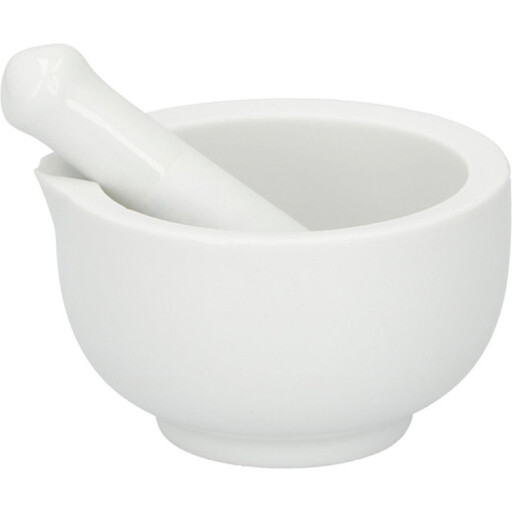 No image available
A manual option for small amounts of dry spices when you don’t want to use a socket.
The product name lists an 8 cm size and a white colour.
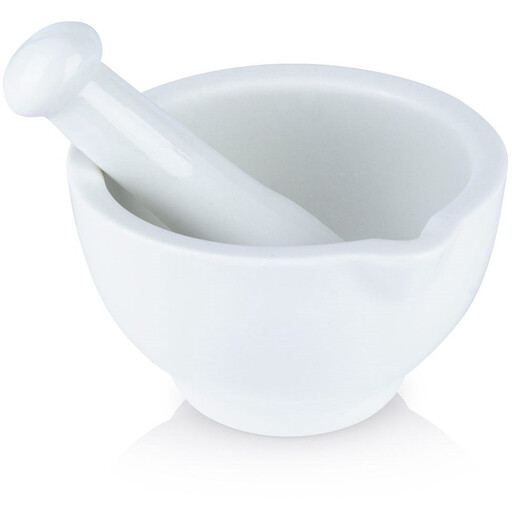 No image available
A manual option for grinding spices without electricity and pouring them out afterwards.
The product name lists ceramic construction, a pouring spout and a 10 cm size.
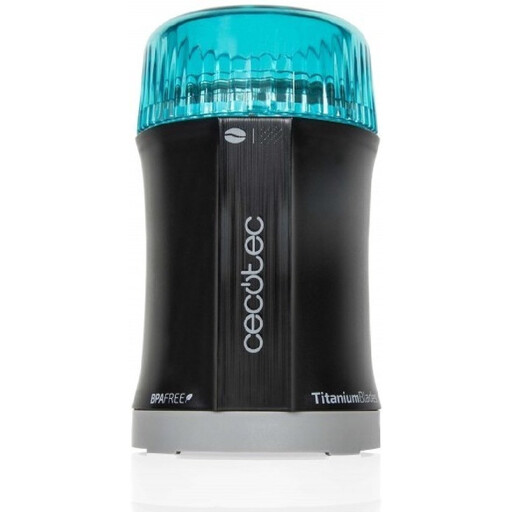 No image available
An electric option if you want to grind dry spices using a mains-powered appliance.
Do not immerse the motor base. After no more than 1 minute of continuous use, allow the appliance to cool for at least 10 minutes.
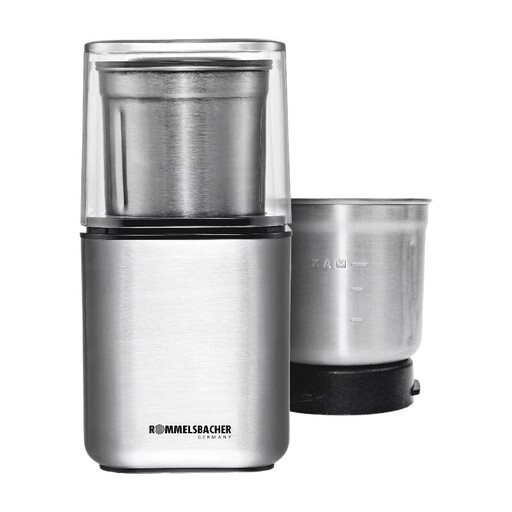 No image available
An electric option if you want to grind herbs and spices with one appliance.
According to the instructions, do not run the appliance continuously for more than 30 seconds. Unplug it before opening or cleaning.
 No image available
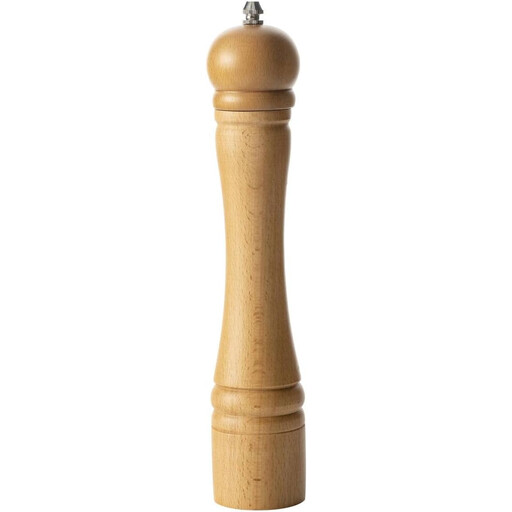
A manual grinder for anyone who wants to grind without a socket. If your kitchen is small, consider how much storage space it needs.
The product name lists a height of 30 cm. Store the grinder in a dry place, as specified in the product information.
No. Check the intended use of each model. Krups specifically lists seeds, herbs and spices for F2034210; Bosch describes the TSM6A013B as a coffee grinder, without stating on that product page that it’s suitable for spices.
According to the Netherlands Nutrition Centre (Voedingscentrum), store dried herbs and spices in a sealed container in a dark place; light, heat and moisture affect their quality. For a small batch of rub, it’s best to grind only what you need.
Use clean utensils and keep raw meat separate from food that’s ready to eat, as recommended by the Netherlands Nutrition Centre (Voedingscentrum). Follow the grinder’s own cleaning instructions: Microplane says to hand-wash the Spice Mill, while Cole & Mason advises against rinsing or submerging the Stadhampton mechanism.
The Netherlands Food and Consumer Product Safety Authority (NVWA) lists kitchen equipment among the electrical appliances subject to legal safety requirements. According to the European Commission, CE marking is required when the applicable harmonised EU rules say it is. Parts that come into contact with food are covered by EU rules on food contact materials, including Regulation (EC) No 1935/2004. A CE logo alone doesn’t prove that a specific model is suitable for your ingredients.
According to the Dutch Government, online purchases from a business often come with a 14-day cooling-off period, although exceptions and purchase terms may apply. There’s no fixed statutory guarantee period in the Netherlands. If a product is faulty, the retailer is your point of contact for your statutory rights; any manufacturer’s guarantee is separate.