
Vandaag of morgen in huis

Kwaliteit gegarandeerd

Welkomstaanbiedingen ontgrendelen: GRATIS bezorging | Tot 80% korting | Gratis 30 dagen JoyPlus-proefperiode
Download de app
SPF 50 facial sunscreen is designed for everyday use, not just days at the beach. Yet many people buy a product that ends up unused after a few days. The reason is often not the protection factor, but an unsuitable texture, irritation or a finish that does not work well with make-up and their skin type.
As a Joybuy Product Recommendation Officer, I therefore focus primarily on verifiable information: the SPF rating, indications of UVA protection, ingredients, volume, water resistance and usage instructions. We do not automatically treat marketing claims about pigmentation, anti-ageing or soothing effects as proven results.
SPF 50 or SPF 50+ primarily indicates protection against UVB radiation under standardised conditions. Also check whether the product mentions UVA protection, for example through PA+++, PA++++ or a UVA symbol on the packaging. UVA and UVB protection are not the same.
A higher factor does not mean that you only need to apply sunscreen once. Sweating, swimming, drying yourself and friction reduce the applied layer.
A “light” sunscreen may feel comfortable for one person but too shiny, too dry or not nourishing enough for another. A gel often suits oily or combination skin, while a moisturising sunscreen may feel more comfortable on dry skin.
Also pay attention to the formula:
Ingredients such as rice extract, aloe vera, niacinamide, panthenol, hyaluronic acid or centella can make a formula more appealing. According to the product descriptions provided by the respective brands, these ingredients are intended to support hydration, comfort or a soothing skin feel. This does not automatically mean that a product reduces pigmentation, prevents wrinkles or treats sensitive skin.
If you have sensitive skin, a patch test is advisable. Stop using the product if you experience redness, swelling, itching or a burning sensation, and avoid contact with the eyes.
For daily exposure, many consumers choose SPF 50 facial sunscreen, especially when they spend a lot of time outdoors or want to help prevent pigmentation. Apply sunscreen generously to your face, ears, neck and other exposed areas. The instructions for several products in this range recommend approximately two finger lengths for the face and neck.
Generally apply the product 15 to 30 minutes before exposure and reapply regularly. Reapplication is important when swimming, exercising, sweating or drying yourself. A product that is not water-resistant, such as Anua Heartleaf Silky Moisture Suncream according to the product information, is less suitable for intensive outdoor activities.
Check the full ingredients list on the packaging. If your skin reacts quickly to fragrance, alcohol or essential oils, you may prefer a fragrance-free formula. Beauty of Joseon Relief Sun: Rice + Probiotics is described as fragrance-free. iUNIK Centella Calming Daily Sunscreen is also offered without fragrance.
For oily or combination skin, a lightweight lotion, essence or gel may feel more comfortable than a rich cream. For dry skin, glycerine, hyaluronic acid, rice extract or other moisturising ingredients may be preferable. This indicates how the product feels on the skin, not whether it has a medical effect.
A facial sunscreen that pills, looks shiny or leaves a white cast is less likely to be used every day. Apply skincare in thin layers, allow each layer to absorb briefly and spread the SPF evenly. A tone-up product, such as Aloe 54.2 Aqua Tone-Up Sunscreen, can make the skin look lighter immediately. This effect is cosmetic and varies depending on your skin tone.

Why it suits this profile: The 50 ml cream formula is designed for everyday use and is described in the product information as lightweight, moisturising and suitable for different skin types.
The product information states SPF50+ PA+++, a lightweight texture and no white cast or sticky feeling. Check the current packaging for the full specification.
50 ml volume, rice extract and fermented ingredients according to the ingredients list; intended for use as the final step in your morning routine.

Why it suits this profile: This compact milk formula is an appealing option if you are looking for a Japanese sunscreen with SPF50+ in a convenient size for travelling.
According to the product description, the milk has a lightweight texture and is water-resistant. Check the current usage and reapplication instructions when purchasing.
SPF50+, 12 ml volume and a liquid milk formula; convenient to carry in a bag.
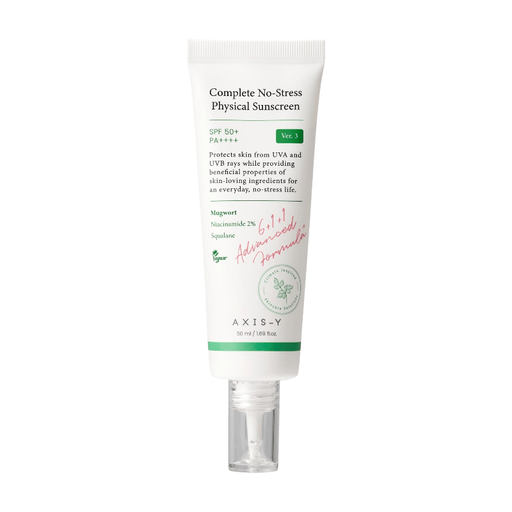
Why it suits this profile: According to the ingredients list, this mineral sunscreen uses non-nano zinc oxide and is intended for the face and neck as the final step in your skincare routine.
The type of filter is clearly stated. This allows you to take the possible white cast into account beforehand and recognise the need to blend the cream in thoroughly.
50 ml volume, zinc oxide as a mineral UV filter and ingredients such as niacinamide, squalane and glycerine.
We have put together a complete, up-to-date list of products that fully meet these strict selection criteria and the applicable European safety regulations.
Apply sunscreen as the final step in your morning routine, after moisturiser and before make-up. Do not use it only on sunny days: UV radiation can also be present in overcast weather. For an office or cycling routine, a lightweight sunscreen is often more practical; for the beach, walking or exercise, reapplication instructions and water resistance are more important.
Pay attention to the expiry date and do not store the product for long periods in direct sunlight or high temperatures. The exact expiry date and batch information are shown on the packaging. Do not use sunscreen if its smell, colour or texture has visibly changed.
Yes, SPF 50 can be used every day as long as the formula feels comfortable and you apply it generously. For oily skin, for example, choose a lightweight essence or gel, while dry skin may benefit from a moisturising sunscreen. Always check the ingredients if you are prone to reactions.
For prolonged exposure, approximately every two hours is a standard guideline. Reapply sooner after swimming, sweating, drying yourself or friction. A single morning application is not enough for a full day outdoors.
Follow the expiry information on the packaging and the instructions for use after opening. Store the tube or bottle somewhere cool and dry, away from direct sunlight. The SPF rating also depends on applying a sufficiently thick, even layer; using too little product provides less protection than stated on the label.
