
Vandaag of morgen in huis

Kwaliteit gegarandeerd

Welkomstaanbiedingen ontgrendelen: GRATIS bezorging | Tot 80% korting | Gratis 30 dagen JoyPlus-proefperiode
Download de app
Buying SPF 50 facial sunscreen for everyday use sounds simple—until you have to choose between Korean sunscreen, mineral sunscreen, a mattifying formula or a moisturising facial sunscreen. A lightweight texture may feel pleasant, but not every formula is water-resistant. And a product with SPF 50 does not automatically offer the same level of protection against UVA as against UVB.
As a Joybuy Product Recommendation Officer, I filter the most important product information based on verifiable specifications. This helps you identify which features matter for your skin type and usage situation, without being swayed by isolated marketing claims.
SPF primarily refers to protection against UVB radiation. UVA radiation is relevant, among other things, to prolonged exposure and skin ageing. Therefore, also check whether the product carries a UVA marking, a PA classification such as PA++++, or a clear reference to UVA and UVB protection.
An SPF 30 product may be suitable for everyday use with limited exposure. If you spend a lot of time outdoors, you may prefer SPF 50 or SPF 50+, provided the formula is comfortable enough to apply in the correct amount.
A thin facial sunscreen can feel comfortable under makeup, but sensitive or dry skin may benefit from a more moisturising formula. Conversely, a rich cream can look shiny or feel heavy on oily or combination skin.
Pay attention to the texture, but also check the ingredients list. Glycerin, hyaluronic acid and panthenol are often used in moisturising formulas. Silica, tapioca starch and rice starch can contribute to a more matte skin feel. This does not automatically predict how your skin will react; if your skin is sensitive, test a small amount first.
Claims such as “anti-ageing”, “48-hour hydration” or “reduces pigmentation” should be considered in the right context. According to NIVEA’s own research, some products achieve a specified hydration result under particular testing conditions. This is not a guarantee for every user.
Claims about an evening or soothing effect are also statements made by the brand. Treat them as additional product properties, not as medical effects.
Apply facial sunscreen generously as the final step in your morning routine. Many product packages recommend approximately two finger lengths for the face and neck. During prolonged exposure, reapplication is important—generally after around two hours and after swimming, sweating or towelling off.
No sunscreen remains completely intact indefinitely when exposed to friction, water or perspiration. A higher SPF also cannot compensate for applying too thin a layer.
A mineral sunscreen uses ingredients such as zinc oxide or titanium dioxide as UV filters. Haruharu Wonder Black Rice Pure Mineral and SKIN1004 Madagascar Centella Airfit Suncream Light list zinc oxide among their ingredients. Mineral formulas can leave a white cast, particularly when applied generously. Haruharu itself states that zinc oxide may initially cause a light white cast and that thorough blending is necessary.
Other formulas use chemical filters, such as Diethylamino Hydroxybenzoyl Hexyl Benzoate and Ethylhexyl Triazone. BIRCH Juice Moisturizing Sunscreen contains several of these filters. The type of filter alone does not determine which sunscreen is best suited to your skin; tolerance, finish and ease of use also matter.
If you wear sunscreen under makeup, a formula that absorbs quickly and does not pill is usually preferable. Beauty of Joseon Relief Sun is described in the product information as lightweight, moisturising and free from white cast. The product details state SPF 50+ and PA++++. However, always check the current packaging, as product formulas and labels may change.
For oily or combination skin, NIVEA SUN UV Face Shine Control SPF50 may be worth considering because of its stated dry-touch finish and ingredients such as silica, tapioca starch and rice starch. The mattifying effect is a brand claim; the final result depends on your skin type, the amount applied and the other skincare products you use.
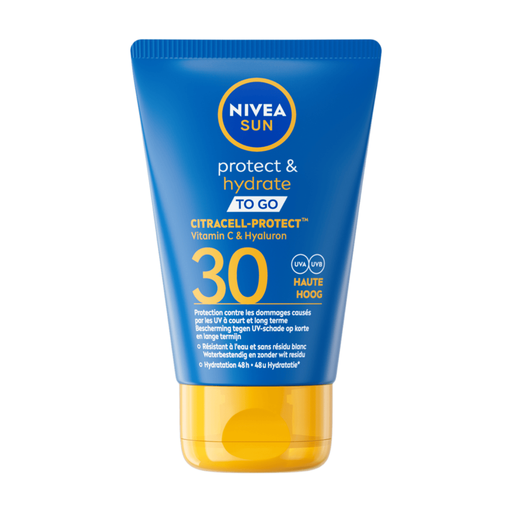
Why This Fits Their Persona: The 50 ml size fits easily into a bag for commuting, a lunchtime walk or a short holiday in the Netherlands.
The product information states UVA/UVB protection, fast absorption and water resistance. Its SPF is 30, so check whether this suits your level of exposure.
50 ml, SPF 30, a water-resistant formula according to the product description, and ingredients such as glycerin and sodium hyaluronate.

Why This Fits Their Persona: Suitable for anyone looking for a lightweight, moisturising facial sunscreen that can form part of an extensive morning routine.
The product description mentions a lightweight texture without white cast and a fragrance-free formula. Always check the current packaging when purchasing.
50 ml, SPF 50+ and PA+++ according to the listed specifications; rice extract, glycerin and niacinamide appear in the ingredients list.

Why This Fits Their Persona: The compact size is convenient for active days outdoors, such as cycling, hiking or travelling when reapplication is needed.
The product description states SPF 50+ and water resistance. Reapplication is still necessary after swimming, sweating or towelling off.
SPF 50+, milk texture and 12 ml capacity; suitable as a compact option for on-the-go use.
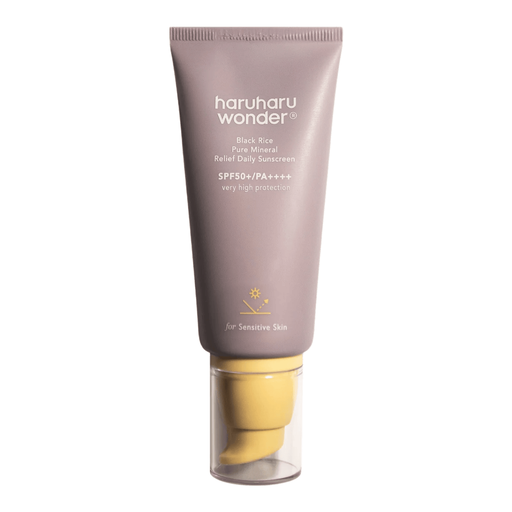
Why This Fits Their Persona: An option for anyone specifically looking for a mineral sunscreen with zinc oxide and a fragrance-free product description.
The product information explicitly identifies zinc oxide and warns of a possible light white cast. This gives you a clear idea of what to expect in advance.
Zinc oxide as a mineral UV filter, 50 ml, ceramide NP and sodium hyaluronate in the ingredients list.
Browse a current selection of sun-care products and compare SPF factor, texture, skin type and additional product specifications.
Not everyone experiences the same level of sun exposure every day. For brief periods outdoors, SPF 30 may be sufficient, while SPF 50 or SPF 50+ can be a sensible choice during prolonged exposure, a sunny holiday or for skin that reacts particularly sensitively to the sun. Also check for UVA protection and apply a sufficient amount of product.
Yes, a lightweight facial sunscreen can be worn under makeup. Apply your skincare first, allow it to absorb briefly, then use sunscreen as the final step. Wait a moment before applying makeup. A formula without white cast, such as the claim made for certain Beauty of Joseon and NIVEA products, can be practical, but the result varies depending on your skin and makeup combination.
Follow the expiry date and the open-jar period-after-opening symbol on the packaging. Store sunscreen in a cool place away from direct sunlight. A product that smells different, changes texture or has been exposed to heat for an extended period is best discarded. Check the current packaging and ingredients list with every purchase.
