
Vandaag of morgen in huis

Kwaliteit gegarandeerd

Welkomstaanbiedingen ontgrendelen: GRATIS bezorging | Tot 80% korting | Gratis 30 dagen JoyPlus-proefperiode
Download de app
Daily sun protection for your face sounds simple, but there is a huge range to choose from. You will find SPF50+ facial sun cream, Korean sun cream, mattifying sun lotion and formulas claimed to work well under make-up. Yet a product can disappoint in practice: it may feel heavy, leave a white cast or not be water-resistant when you need it to be.
As a Joybuy Product Recommendation Officer, I therefore focus mainly on verifiable information: SPF rating, UVA protection, filter type, texture, ingredients and usage advice. Below, you will find what to look out for before buying sun cream for your face.
SPF mainly indicates protection against UVB rays. For everyday protection, UVA protection is also important. UVA rays penetrate deeper into the skin and play a role in prolonged sun exposure. Therefore, check whether the product also mentions UVA protection, for example through PA++++, a UVA logo or the term “broad spectrum”.
An SPF50 product is not automatically suitable for every use, either. A rich cream may feel comfortable on dry skin, but less so on oily or combination skin.
A brand may describe a formula as having an “invisible finish” or “no white cast”. According to NIVEA’s product description, Protect & Hydrate Invisible Finish SPF50+ absorbs quickly and leaves no white residue. This is a product claim made by the brand; the final finish may vary depending on your skin type, the amount applied and how you apply it.
Mineral sun cream containing zinc oxide may instead leave a slight cast when being spread over the skin. Haruharu Wonder Black Rice Pure Mineral Sunscreen states that zinc oxide may initially cause a light white cast and needs to be distributed carefully.
Waterproof or “water-resistant” sun cream does not stay in place indefinitely. Swimming, sweating and drying yourself reduce the layer applied to the skin. Product information for various formulas therefore recommends reapplying after swimming, perspiring or drying yourself. A non-water-resistant sun cream, such as Anua Heartleaf Silky Moisture Suncream according to the product information provided, is mainly suited to everyday use without intensive contact with water.
For a short walk in the Netherlands, SPF30 may provide sufficient protection when applied generously and evenly. If you spend a lot of time outdoors, burn easily, want to help prevent pigmentation or are looking for a high level of protection, you may wish to consider SPF50+. No SPF blocks all UV rays. The amount and regularity of application remain important.
Apply a generous amount to your face and neck. A practical guideline from product recommendations is approximately two finger lengths for the face and neck. Apply facial sun cream as the final step in your morning routine, generally 15 to 30 minutes before sun exposure when this is indicated on the packaging.
Look for a combination of SPF and a clear UVA indication. PA++++ is used by many Korean sun creams to indicate a high UVA protection category. The European SPF indication and UVA marking are also relevant points to check.
Also pay attention to the filters used. A chemical formula uses organic UV filters, as with BIRCH Juice Moisturizing Sunscreen. A mineral sun cream uses zinc oxide, for example, as stated in the product information for Skin1004, Haruharu Wonder and AXIS-Y. Hybrid formulas combine both types.
An ingredient such as niacinamide, rice extract, centella or aloe may provide additional skincare benefits. Consider these benefits as part of the formula, rather than as medical effects. Claims relating to anti-ageing, pigmentation or antioxidants should be understood as brand communications; according to a brand’s own research, such results are not automatically guaranteed for every user.
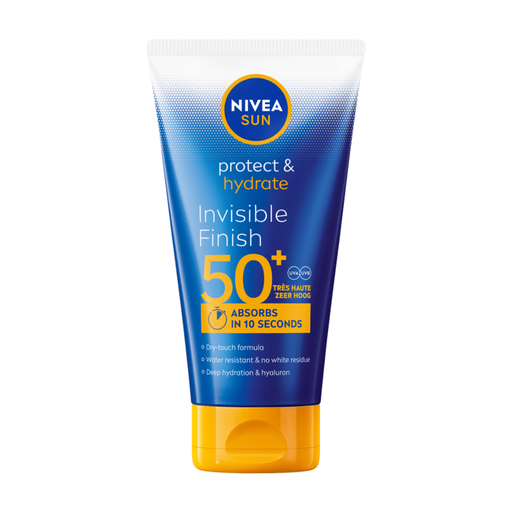
Why it suits this profile: The packaging contains 150 ml, and the product description mentions a quick-absorbing, water-resistant formula for everyday use.
The product information mentions both UVA and UVB protection, water resistance and a finish without white residue. Reapplication is still necessary after swimming or drying yourself.
SPF50+, 150 ml, dry-touch according to the product description, and at least 50% recycled plastic in the bottle and cap according to NIVEA.

Why it suits this profile: This Korean sun cream is aimed at anyone looking for a lightweight, hydrating texture and fragrance-free formula for everyday use.
The product information provided mentions SPF50+ PA+++, a fragrance-free formula, no white cast and a lightweight texture. Water resistance is not mentioned, so do not choose this if swimming is a key priority.
50 ml, a fragrance-free formula according to the product details, plus rice extract and fermented ingredients in the INCI list.
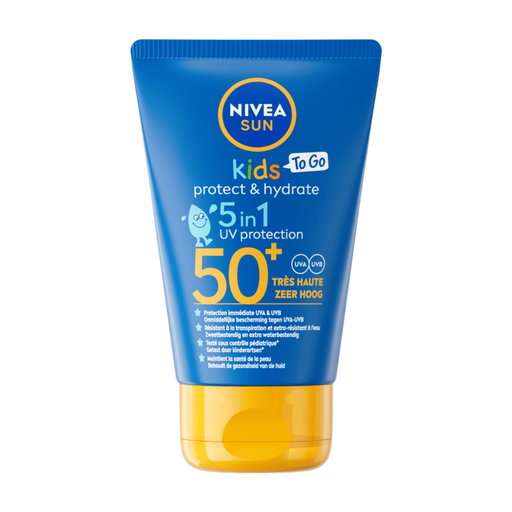
Why it suits this profile: The 50 ml pocket size is practical for days out, while the product description mentions an extra water-resistant formula.
The packaging is small enough to take with you, and the product information mentions UVA/UVB protection and extra water resistance. Always check the age and usage information on the packaging.
SPF50+, 50 ml, extra water resistance according to NIVEA, with panthenol, vitamin C and vitamin E in the ingredients list.
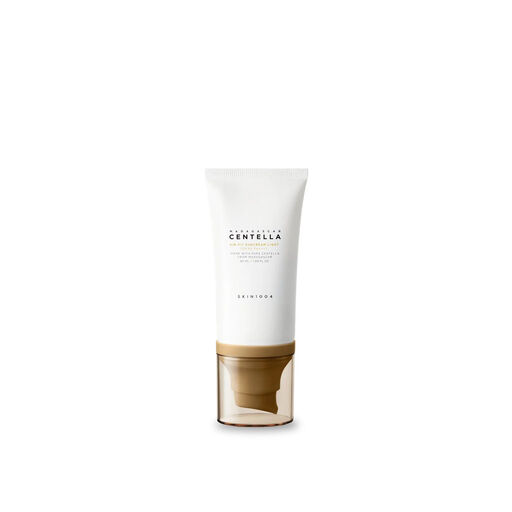
Why it suits this profile: The formula uses zinc oxide as a mineral filter and has a lightweight texture for anyone who considers SPF30 suitable for everyday use.
The product information clearly states the filter type, SPF30 and PA++++. If you only want SPF50+, choose another variant; with mineral formulas, careful application remains important.
Zinc oxide, 50 ml, a lightweight finish and centella extract according to the ingredients list and product description.
We have put together a complete, up-to-date list of products that fully meet these strict selection criteria and the applicable European safety regulations.
If you have sensitive skin, a patch test is advisable. Stop using the product if redness, swelling, itching or irritation occurs, and follow the product’s safety information.
Yes, SPF50+ facial sun cream is intended for everyday use when the formula feels comfortable. Choose a lightweight texture for oily skin and a hydrating sun cream for dry skin. Apply enough and reapply during prolonged exposure.
Shelf life varies from product to product. Check the expiry date and batch number on the packaging. Do not leave sun cream in a hot car or direct sunlight for extended periods. A change in smell, colour or texture may be a reason to stop using the product.
Many lightweight formulas can be worn under make-up. Allow the sun cream to absorb first, then apply make-up without rubbing vigorously. A product that is described as absorbing quickly or leaving no white cast may be practical for this purpose. Test the combination beforehand to make sure it does not pill.
