
Vandaag of morgen in huis

Kwaliteit gegarandeerd

Welkomstaanbiedingen ontgrendelen: GRATIS bezorging | Tot 80% korting | Gratis 30 dagen JoyPlus-proefperiode
Download de app
A good SPF 50 face sunscreen needs more than a high sun protection factor. It should also suit your skin type, daily routine and the way you apply it. You’re more likely to use a product consistently if it feels comfortable under make-up than if it feels sticky or leaves a visible white cast.
There are a few common pitfalls to watch out for. Marketing claims such as “invisible”, “hydrating” or “anti-ageing” only tell you so much, so check the full product information, ingredients and directions for use.
SPF mainly refers to protection against UVB rays, which can contribute to redness and sunburn. UVA protection also matters for everyday sun protection. UVA rays penetrate deeper into the skin and are present all year round, even on cloudy days.
So check that the packaging or product page explicitly states UVA and UVB protection. Korean sunscreens often also display a PA rating, such as PA++++. Treat this as additional product information, not a substitute for checking the full packaging.
A lightweight face sunscreen isn’t automatically suitable for dry, oily or sensitive skin. Look out for the following:
Water resistance is useful at the beach, when cycling or when you’re sweating, but it doesn’t mean you can apply the cream once and then skip reapplying. Swimming, towel-drying and perspiration can all reduce the layer of sunscreen on your skin.
Apply plenty of face sunscreen, ideally 15 to 30 minutes before going out in the sun if the packaging advises this. Reapply regularly and after swimming, sweating or towel-drying. Avoid direct contact with your eyes and always follow the safety information for the specific product.
SPF 50 and SPF 50+ are in the very high protection category, but the level of protection you get depends greatly on how much you apply. A thin layer won’t provide the same protection as the amount used to determine the SPF rating.
As a practical guide, use about two finger-lengths for your face and neck. You can apply it in several thin layers if that feels more comfortable. Don’t forget your ears, hairline and neck if they’re uncovered.
Check both the product description and the ingredients list. Many modern formulas combine different filters, such as:
The presence of an ingredient alone doesn’t prove a particular level of protection in the finished product. The finished product’s SPF and UVA ratings, along with the information on the packaging, are what matter.
A 40 or 50 ml tube is handy for everyday use and carrying in your bag. A 150 or 200 ml bottle may be better value if you also use the sunscreen on your neck, arms or other parts of your body.
Also look out for claims such as non-greasy sunscreen, “matte finish”, “no white cast” and “water-resistant”. These properties can feel different depending on the formula and your skin type. For example, product information may state that a mineral formula containing zinc oxide can leave a slight white cast, while a tinted formula contains colour pigments.
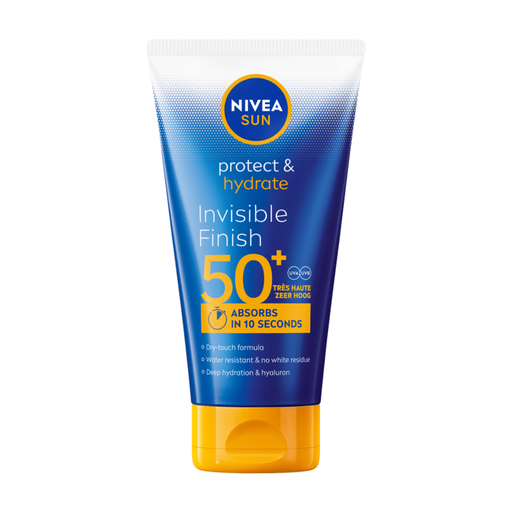
Why it suits this user: The 150 ml pack is practical for everyday use on your face and other exposed areas. The product description says the formula is water-resistant and designed to absorb quickly.
The product information describes a dry-touch formula that absorbs quickly and leaves no white residue. Check that the finish suits your skin, though.
SPF 50+, UVA/UVB protection according to the product description, 150 ml and at least 50% recycled plastic in the bottle and cap, according to the manufacturer.
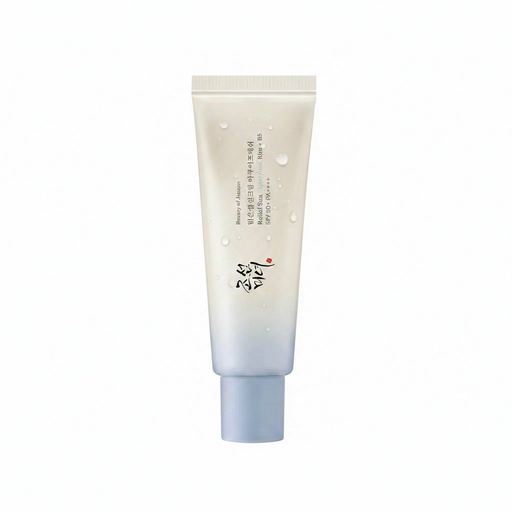
Why it suits this user: The product description says its watery texture is lightweight, fragrance-free and suitable for wearing under make-up. This makes the Korean sunscreen a good option for a regular morning routine.
The description says it leaves no white cast or greasy residue. That can work well under make-up, but apply a small amount first to see how it sits with your base products.
SPF 50+ and PA++++ according to the product details, 50 ml, fragrance-free, and formulated with rice water and panthenol according to the product description.
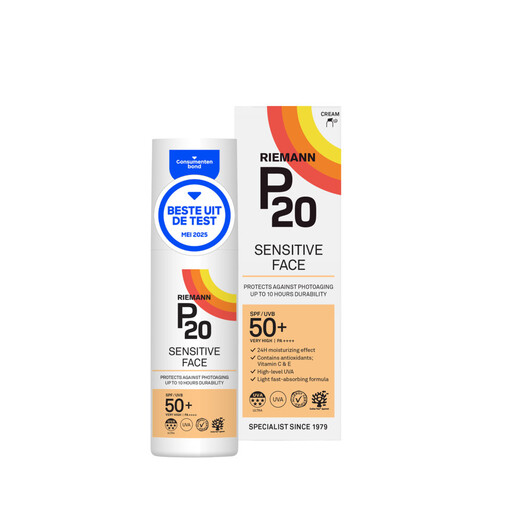
Why it suits this user: This face cream is aimed at people looking for a formula for sensitive skin who are prepared to take extra care to apply it generously and evenly.
The directions warn that using too little product significantly reduces protection. This makes applying the right amount and reapplying especially important.
SPF 50+, 50 g and ingredients such as glycerin, panthenol, trehalose and squalane, according to the product details.
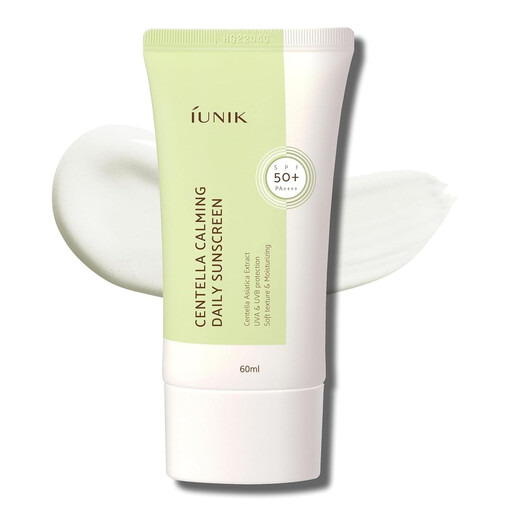
Why it suits this user: The product description says it has a lightweight, non-sticky formula with a matte finish and no fragrance. That may suit people who want to reduce shine and avoid a heavy feel.
The specifications state that it leaves no white cast, contains no fragrance and has a matte finish. If you have sensitive skin, still check the full ingredients list.
SPF 50+ PA++++ according to the product name, UVA and UVB protection according to the description, vegan positioning and a fragrance-free formula.
We’ve put together a complete, up-to-date list of products that meet these strict selection criteria and current European safety regulations.
Yes, SPF 50+ face sunscreen can be part of your daily morning routine when your face is exposed to daylight. Apply it as the final step in your skincare routine, and reapply if you’re outdoors for a long time, sweating or towel-drying.
Choose a product whose description says it has a transparent or invisible finish, and apply it evenly. Mineral filters such as zinc oxide may leave a slight white cast, according to the product information. A tinted sunscreen can make this less noticeable, but the shade needs to suit your skin.
Check the expiry date and batch number on the packaging. Store sunscreen in a cool, dry place away from direct sunlight. It’s best not to use a product if its smell has changed, it has discoloured or its texture has altered. The shelf life after opening varies by product, so follow the symbol and instructions on the packaging.
