
Vandaag of morgen in huis

Kwaliteit gegarandeerd

Welkomstaanbiedingen ontgrendelen: GRATIS bezorging | Tot 80% korting | Gratis 30 dagen JoyPlus-proefperiode
Download de app
SPF50 sunscreen is an obvious choice for sunny days, holidays and everyday exposure to UV radiation. However, a high factor is not the whole story. A product may feel pleasant on the skin but be impractical for swimming. A facial sunscreen may leave no white cast yet feel too shiny on oily skin. And a large bottle is not automatically better value if you do not apply enough.
As a Joybuy Product Recommendation Officer, I therefore focus on verifiable product information: SPF rating, UVA marking, water resistance, volume, texture and usage advice. This helps you avoid paying mainly for marketing language.
SPF mainly refers to protection against UVB rays, which are one of the causes of sunburn. For everyday sun protection, protection against UVA is important too. Check whether the packaging displays a UVA logo, PA rating or an explicit statement of broad-spectrum UVA/UVB protection.
A higher factor also does not mean you only need to apply the cream once. Apply a generous layer and reapply regularly, especially after swimming, sweating or drying yourself.
Water-resistant sunscreen is designed to stay on the skin better while swimming or sweating. However, the protection does not only disappear once the product has been completely washed off. Friction from a towel, sand and perspiration can reduce the protective layer. Reapplication is therefore still necessary.
Also pay attention to the difference between water-resistant and not water-resistant. The Anua Heartleaf Silky Moisture Suncream, for example, is explicitly described as not water-resistant in the product information. This makes it a different choice from a sunscreen intended for a beach day or sporting activity.
Ingredients such as hyaluronic acid, rice extract, aloe vera, niacinamide and vitamin E may be appealing for the texture and your skincare routine. However, they do not automatically make a product suitable for every sensitive skin type.
Claims about pigmentation, redness, photoageing or antioxidant effects come from product communications. A brand’s own research may support additional results, but these are not necessarily a guarantee for your skin. Always check the ingredients list and, if you have sensitive skin, test the product on a small area first.
Choose a product with SPF50 or SPF50+, and also check the UVA protection stated. PA++++ is a rating found on several Korean sunscreens. A product with SPF50+ PA++++, such as various iUNIK, Haruharu Wonder and Beauty of Joseon formulas, is designed to offer broad everyday UV protection according to the product description.
Do not use sunscreen as a substitute for shade, clothing or sunglasses either. Children in particular need extra protection.
For the face, around two finger lengths is often used as a practical guideline, depending on the product advice. You need considerably more for the body. A small pack such as the Shiseido Anessa Perfect UV Sunscreen Skincare Milk SPF50+ at 12 ml is convenient for your handbag or when travelling, but less suitable as the only sunscreen for a family.
Check the packaging for expiry information and the batch number. Store sunscreen in a cool place away from direct sunlight. The manufacturer may change the ingredients list, so the packaging contains the most up-to-date information.
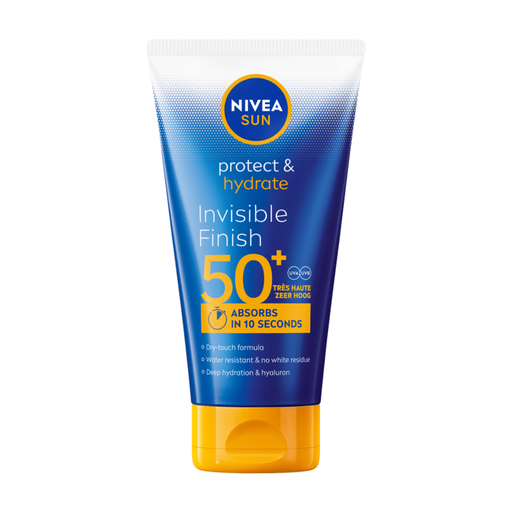
Why it suits this profile: The 150 ml pack is practical for regular use on the face and body. The product description mentions a dry-touch texture, fast absorption and a water-resistant formula.
The product information explicitly states that the cream absorbs quickly and leaves no white cast. Reapply after swimming or drying yourself.
150 ml volume; dry-touch finish; water-resistant formula according to the product description.

Why it suits this profile: According to the product information, this Korean facial sunscreen has a lightweight, hydrating and fragrance-free cream formula. This makes it well suited to everyday skincare and wearing under make-up.
The description states that it does not pill, feel sticky or leave a white cast. However, check the current ingredients list yourself and reapply regularly.
SPF50+ PA+++; 30% rice extract according to the product information; fragrance-free and suitable for the face.
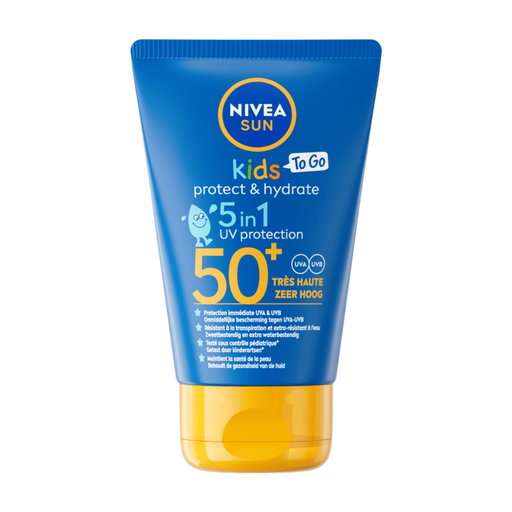
Why it suits this profile: The 50 ml pocket-sized pack is convenient for days out with children. The product description mentions UVA/UVB protection and an extra water-resistant formula.
The children’s version is clearly identified as sunscreen for children and states that it is water-resistant. Reapplying after swimming or drying yourself is still essential.
50 ml travel size; SPF50+; extra water-resistant according to the product information.
We have put together a complete, up-to-date list of products that fully meet these strict selection criteria and the applicable European safety regulations.
Reapply after swimming, sweating or drying yourself. During prolonged outdoor exposure, approximately every two hours is a practical guideline. Use enough product; applying a thin layer reduces protection compared with the test conditions stated on the packaging.
UV radiation can still reach your skin on a cloudy day. For everyday exposure on the face, neck and hands, facial sunscreen with SPF50 can therefore become a regular part of your morning routine. The amount needed is different when you spend little time outdoors than on a beach day, but do not forget vulnerable areas such as your ears and neck.
Choose a product with a high SPF and clear UVA/UVB protection. According to the manufacturer, NIVEA SUN Face Luminous Anti-Spot contains Luminous630 for pigmentation; this is a brand claim and not a guarantee for every skin type. Also protect your skin with a hat or cap and avoid unnecessary direct sun exposure. If you have existing or changing pigmentation, a dermatologist can provide appropriate advice.
