
Vandaag of morgen in huis

Kwaliteit gegarandeerd

Welkomstaanbiedingen ontgrendelen: GRATIS bezorging | Tot 80% korting | Gratis 30 dagen JoyPlus-proefperiode
Download de app
Daily sun protection for your face does not have to feel heavy, sticky or leave a visible white cast. Yet the range is extensive: from K-beauty sunscreen and hydrating sun cream to mattifying formulas and mineral sunscreens. The product name does not always reveal how a formula performs on oily, dry or sensitive skin.
As a Joybuy Product Recommendation Officer, I filter the most important product information based on verifiable specifications. This helps you identify more quickly which SPF50 facial sunscreen fits your routine and when a marketing claim requires closer examination.
SPF primarily refers to protection against UVB radiation. For everyday protection, the UVA rating is important too. Check whether the packaging displays a UVA symbol in a circle, a PA rating or another broad-spectrum indication.
A product with SPF50+ is not automatically water-resistant. You also need to reapply after swimming, sweating or drying off. Protection is further reduced when you apply too little product.
“Lightweight” may mean that a sunscreen absorbs quickly, but it does not necessarily mean that the skin will stay matte for a long time. If you are looking for a mattifying sunscreen, look for ingredients such as silica or starch, or product descriptions that mention “shine control”. Do not expect identical results across every skin type or climate.
For dry skin, a lightweight formula may provide too little comfort. A hydrating sunscreen containing glycerine, hyaluronic acid or soothing ingredients may be a better choice.
Mineral sunscreen uses ingredients such as zinc oxide or titanium dioxide. These filters can leave a white cast, particularly on darker skin tones or when too much product is applied at once. Some brands state that this effect is minimised, but visibility depends on the formula and how it is applied.
With chemical UV filters, an invisible finish is often easier to achieve, but ingredients such as fragrance, alcohol or other components may still be less comfortable for sensitive skin. Always check the complete ingredient list.
For daily use in the Netherlands, SPF50 or SPF50+ is a popular level, especially if you spend a lot of time outdoors, cycle regularly or work near windows. Also look for UVA and UVB protection. PA++++ is an Asian classification for UVA protection; for products intended for the European market, also check the information on the packaging.
Apply facial sunscreen as the final step of your morning routine, before makeup. Product descriptions generally recommend applying it before sun exposure and reapplying after approximately two hours outdoors. Always follow the instructions on the packaging.
Chemical UV filters absorb UV radiation. The Birch Juice Moisturizing Sunscreen, for example, lists Diethylamino Hydroxybenzoyl Hexyl Benzoate, Ethylhexyl Triazone and other chemical UV filters.
Mineral sunscreen uses ingredients such as zinc oxide. The Skin1004 Madagascar Centella Airfit Suncream Light lists zinc oxide as a mineral filter and provides SPF30 PA++++ protection. This is a different protection level from SPF50+, but may appeal if you specifically prefer a physical filter.
Hybrid formulas combine mineral and chemical filters. The SKIN1004 Tone-Up Sunscreen lists titanium dioxide alongside several chemical UV filters.
A cream, milk, gel or fluid does not feel the same on the skin. Dry or sensitive skin often benefits from a more comfortable, hydrating texture. Oily or combination skin may prefer a lightweight, fast-absorbing or mattifying sunscreen.
Also check whether a product is water-resistant. The Anessa Perfect UV Sunscreen Skincare Milk is described as water-resistant in the product information. The Anua Heartleaf Silky Moisture Suncream explicitly states that it is not water-resistant. This makes Anua a more logical choice for everyday commuting than for swimming or intensive exercise.

Why it’s a good fit: A Korean sunscreen for adults looking for a lightweight daily facial cream. The product information lists SPF50+ PA+++, a fragrance-free formula and a 50 ml capacity.
The specifications list both SPF and a UVA classification. The formula is also described as fragrance-free, making it easier to review the ingredients.
Rice extract is listed as an ingredient; the product description mentions a lightweight, hydrating texture without a white cast.

Why it’s a good fit: The compact size is practical for a handbag, day trip or holiday. According to the product description, this sunscreen offers SPF50+ protection and a water-resistant formula.
Water resistance is stated separately rather than inferred from the SPF rating. Reapplication is still necessary after swimming, sweating or drying off.
SPF50+ protection and a 12 ml capacity; the product information mentions a lightweight texture.
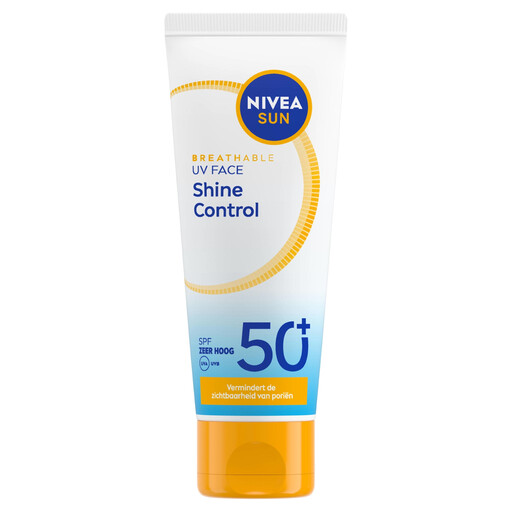
Why it’s a good fit: The product description focuses on a mattifying finish and lists SPF50+, PA++++ and a lightweight formula.
The mattifying effect is presented as brand information. It is not a guarantee for every skin type; test the formula under your daily moisturiser or makeup.
Silica, tapioca starch and rice starch appear in the ingredient list; the product contains 40 ml.
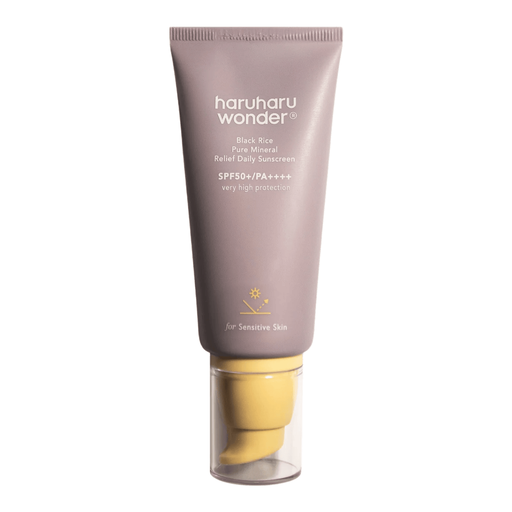
Why it’s a good fit: According to the ingredient list, this Korean sunscreen uses zinc oxide as a mineral UV filter and contains 50 ml.
The product information warns that zinc oxide may initially leave a slight white cast. Apply in thin layers and blend carefully.
Browse a current selection of sunscreens with different SPF levels, textures, filter types and intended uses for the Dutch market.
Yes, SPF50 or SPF50+ can be used daily when you choose a formula suited to your skin type. Also check the UVA rating, texture and whether the formula contains fragrance or alcohol. SPF50 does not mean you can stay in the sun indefinitely; reapplication remains important.
As a practical guideline, approximately two finger lengths are often recommended for the face and neck. Distribute the product evenly and do not overlook the ears, hairline or neck. With a very fluid formula, the dosage may feel different, so also follow the instructions on the packaging.
Shelf life varies by product. Check the expiry date and the open-jar symbol on the packaging. Do not store sunscreen for extended periods in a hot car or in direct sunlight. A change in smell, colour or texture is a reason to stop using the product.
