
Vandaag of morgen in huis

Kwaliteit gegarandeerd

Welkomstaanbiedingen ontgrendelen: GRATIS bezorging | Tot 80% korting | Gratis 30 dagen JoyPlus-proefperiode
Download de app
Buying SPF50 facial sunscreen for everyday use sounds simple, until you have to choose between a lightweight sunscreen, a mattifying formula, Korean sunscreen or a product that works well under make-up. A high SPF alone does not tell you enough about how comfortable it is to wear, the UVA protection it offers or whether it is suitable for your skin.
The following pitfalls regularly lead to disappointing purchases:
For everyday use, preferably choose a product with SPF50 or SPF50+. This is especially relevant if you spend a lot of time outdoors, cycle, walk or work near a window. Also look for a statement about UVA protection. Korean products often use the PA++++ rating. Broad-spectrum UVA and UVB protection is more important than simply having a high SPF number on the packaging.
Apply facial sun protection generously to your face, ears and neck. Applying too thin a layer reduces the level of protection you actually receive. Reapply during prolonged exposure, after sweating, swimming or drying yourself. Always follow the instructions on the packaging.
A non-greasy sunscreen that absorbs quickly is practical for everyday use. Dry or combination skin may benefit from a hydrating sunscreen containing glycerine, panthenol or hyaluronic acid. For oily skin, silica, starch or an explicitly matte finish may be useful advantages.
Also consider the look you want:
Check the ingredients list when looking for sunscreen for sensitive skin. Fragrance, alcohol denat. and certain plant extracts may be less comfortable for some users. This does not automatically mean that a product is unsuitable, but carrying out a patch test on a small area of skin is sensible.
A claim such as “non-comedogenic”, “hypoallergenic” or “suitable for sensitive skin” comes from the manufacturer. Treat this as product information, not a personal guarantee. Stop using the product if irritation occurs and avoid contact with the eyes.
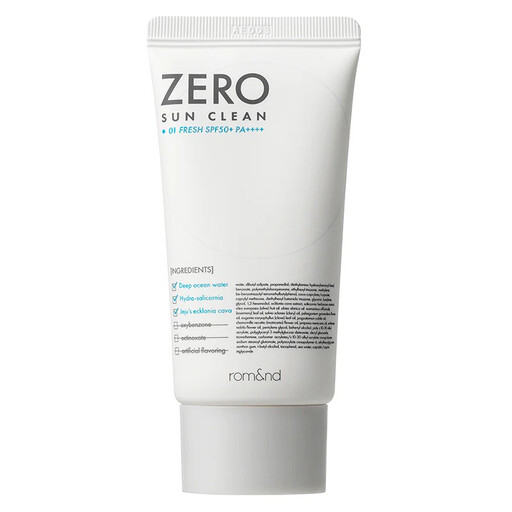
Why it suits this profile: The lightweight, fresh formula is designed for everyday use and, according to the product description, absorbs quickly without leaving a white cast or sticky feeling. This makes switching to facial sunscreen easier for beginners.
The product information mentions a transparent finish and no sticky residue. Before buying, however, check the current packaging and the full UVA information.
Lightweight texture; according to the description, suitable for all skin types and wearable under make-up.
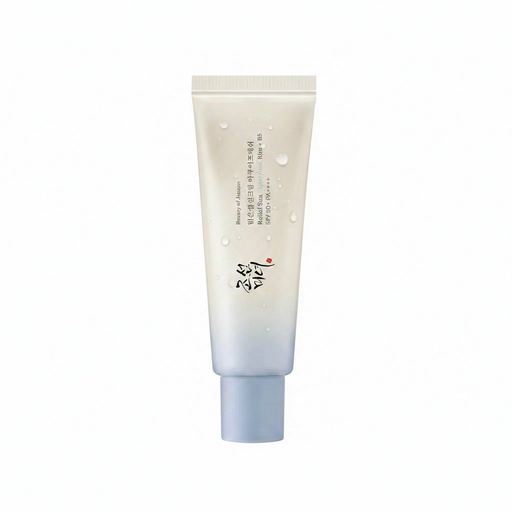
Why it suits this profile: If comfort and a nourishing daily routine are your priorities, the combination of SPF50+ PA++++, rice water and panthenol may appeal to you. According to the product description, the fragrance-free formula is suitable for use under make-up.
According to the description, the watery texture absorbs quickly without leaving a white cast or greasy layer. This can reduce the chance of a heavy base beneath your make-up.
SPF50+ PA++++; product information states that it is fragrance-free and alcohol-free; rice water and panthenol listed in the formula.
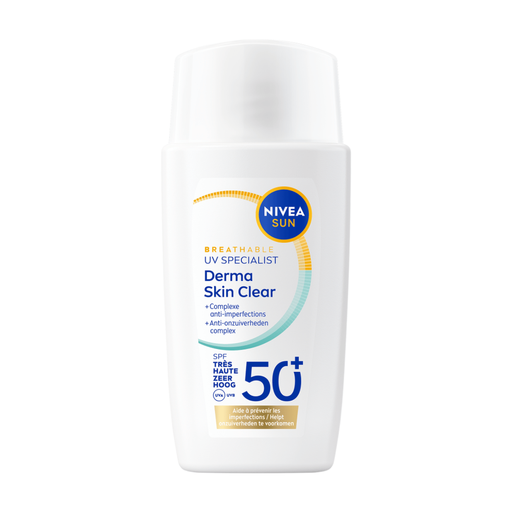
Why it suits this profile: For oily, combination or blemish-prone skin, a lightweight, mattifying sunscreen can be practical. According to the product description, this SPF50+ formula contains niacinamide and an Anti-Impurities Complex.
The product description mentions a non-greasy texture, quick absorption and a mattifying effect. This may help if shine and a heavy feel usually put you off using sunscreen every day.
SPF50+ and PA++++ according to the product information; designed for normal, oily and blemish-prone skin; suitable under make-up according to the description.
Apply your usual skincare first, then use the SPF50 sunscreen as the final step. Give the formula a few minutes to set before applying foundation. Use thin layers of make-up and avoid rubbing too hard to minimise pilling.
A tint, such as the one found in a tone-up sunscreen, can visually soften redness or dullness. Test the colour in daylight: pink, peach or lavender tones may look different on different skin tones. For prolonged exposure, reapplying is more important than maintaining a flawless make-up look.
We have put together a complete, up-to-date list of products that fully meet these strict selection criteria and the applicable European safety regulations.
Yes, a product with SPF50 is designed for use whenever your face is exposed to UV rays. Choose a formula that you find comfortable, because applying it regularly and generously is more important than owning a product that remains unused in the cupboard.
During prolonged exposure, it is generally recommended that you reapply approximately every two hours. Reapply sooner after swimming, exercising, heavy sweating or drying yourself. Always check the instructions for the specific product.
For oily skin, look for terms such as mattifying, non-greasy, silica or starch in the formula. For sensitive skin, fragrance-free formulas and short ingredient lists may be useful features to consider. Test new sunscreen on a small area of skin first and stop using it if irritation occurs.
