
Vandaag of morgen in huis

Kwaliteit gegarandeerd

Welkomstaanbiedingen ontgrendelen: GRATIS bezorging | Tot 80% korting | Gratis 30 dagen JoyPlus-proefperiode
Download de app
SPF50 facial sunscreen is part of many people’s morning routine. Yet not every tube gets used regularly on the face. A cream may feel too greasy, pill under make-up or leave a white cast. As a result, consumers often use less product than necessary or skip sunscreen altogether.
The right choice is therefore not just about SPF50. You should also consider UVA and UVB protection, texture, skin type, water resistance and the ingredients list. Below, you’ll find the key points to consider, along with some popular options from the range.
SPF mainly indicates protection against UVB radiation. For everyday protection, UVA protection is important too. Check whether the packaging mentions a UVA rating, broad-spectrum protection or, for Korean sunscreens, a PA classification. PA++++ is often used to indicate a high UVA rating, but always check the current product packaging.
A water-resistant product does not stay in place indefinitely after swimming, sweating or drying yourself. A sunscreen that is not water-resistant, such as Anua Heartleaf Silky Moisture Suncream, requires extra attention during outdoor activities. Reapplying after swimming, exercising or drying yourself remains important.
Terms such as “anti-ageing”, “pore-refining” or “soothing” often describe a brand’s positioning. Do not present such claims as guaranteed results. According to NIVEA’s own research, for example, the Shine Control formula offers long-lasting oil control; this does not guarantee that every skin type will remain matte for twelve hours. Also look at verifiable details such as size, UV filters, finish, fragrance and water resistance.
SPF50 or SPF50+ is a high protection factor for the face and body. The protection only works as indicated when you apply enough product and reapply regularly. Apply sunscreen as the final step in your skincare routine, before make-up.
Also look out for:
For oily or combination skin, a lightweight sunscreen with a matte or dry-touch finish may feel more comfortable. Dehydrated skin often benefits more from a moisturising sunscreen containing ingredients such as glycerine, hyaluronic acid, rice extract or panthenol.
A sunscreen without a white cast is usually easy to spread across different skin tones. With mineral sunscreen containing zinc oxide, a slight white cast may occur according to the product description. Massaging it in thoroughly can help reduce this, but the result varies depending on your skin tone and the amount of product used.
If you are looking for sunscreen for sensitive skin, check for fragrance, alcohol denat., essential oils and known allergens. A mineral sunscreen uses filters such as zinc oxide or titanium dioxide. Chemical filters absorb UV radiation within the formula. Neither category is automatically suitable for every skin type.
Test a new product on a small area of skin first. Stop using it if you experience redness, swelling, itching or a burning sensation, and consult a doctor or dermatologist if symptoms persist.
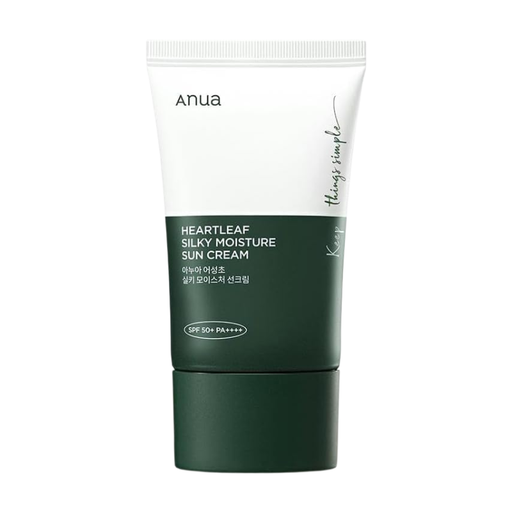
Why it suits this profile: A compact size for anyone looking for a simple everyday sunscreen and wanting to try a Korean formula first.
The product information clearly states that this formula is not water-resistant. This means you know that reapplication is necessary when swimming or sweating heavily.
50 ml, suitable for everyday use and designed to be applied as part of your morning routine.

Why it suits this profile: This cream is aimed at users looking for a moisturising sunscreen with a lightweight texture and comfortable finish.
The product description explicitly mentions a lightweight formula without a white cast or sticky feeling. This is helpful if you want to wear sunscreen under make-up.
SPF50+ PA+++, 30% rice extract according to the product information, and a fragrance-free 50 ml version.
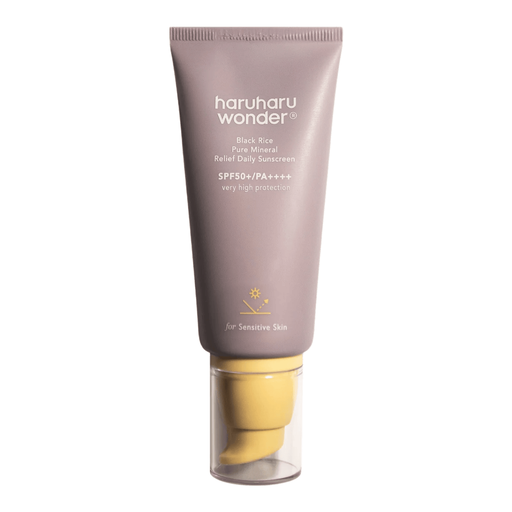
Why it suits this profile: A mineral sunscreen for anyone who wants to combine zinc oxide with a caring formula and is prepared to blend the cream in carefully.
The product information warns that zinc oxide may cause a slight white cast. This allows you to test the cream specifically rather than relying on a general “invisible” claim.
Mineral filter with zinc oxide, ceramide NP, glycerine and hyaluronic acid in the ingredients list.

Why it suits this profile: The travel size is practical for holidays, commuting and days when you want to reapply while out and about.
The product description mentions water resistance, as well as reapplying after swimming or sweating. This prevents you from treating water resistance as unlimited protection.
SPF50+, 12 ml travel size and a lightweight milk texture according to the product information.
We’ve put together a complete, up-to-date list of products that fully meet these strict selection criteria and the applicable European safety regulations.
Yes, SPF50 sunscreen can be used every day on your face and neck. Choose a texture you find comfortable, as applying enough product regularly is more important than using a formula that remains untouched in the cupboard.
Check the expiry date and the symbol on the packaging. Store the tube in a cool, dry place away from direct sunlight and high temperatures. If the scent, colour or texture changes, stop using the product.
Many lightweight formulas can be worn under make-up, but the result depends on your skincare, the amount of sunscreen applied and your make-up. Products such as Beauty of Joseon are considered suitable for use under make-up according to the product description. Allow the sunscreen to absorb fully, then apply make-up without rubbing hard to minimise pilling.
