
Vandaag of morgen in huis

Kwaliteit gegarandeerd

Welkomstaanbiedingen ontgrendelen: GRATIS bezorging | Tot 80% korting | Gratis 30 dagen JoyPlus-proefperiode
Download de app
SPF50 facial sunscreen sounds simple to choose, until you start comparing labels. One cream feels lightweight but stings around the eyes. Another promises a mattifying finish but leaves dry skin feeling tight. Terms such as “Korean sunscreen”, “hydrating” and “water-resistant” only mean something once you have checked the full product information.
With this guide, you can compare SPF50 facial sunscreens based on verifiable factors: protection, filters, texture, skin type and intended use.
SPF mainly refers to protection against UVB rays. For everyday sun protection, you also need information about UVA protection. Look on the packaging for a UVA symbol, PA rating or a clear statement of broad-spectrum UVA and UVB protection. A higher SPF does not mean you can skip reapplication.
A product is not automatically water-resistant just because it absorbs quickly or is sold as sports sunscreen. Check whether water resistance is explicitly stated. Water-resistant sunscreen still needs to be reapplied after swimming, sweating or drying off.
For example, Anua Heartleaf Silky Moisture Suncream clearly states that it is not water-resistant. This may make it suitable for everyday use in the city, but less suitable for a day at the beach or intensive outdoor exercise.
“Suitable for sensitive skin”, “pore-friendly” and “no white cast” are not reasons to skip checking the ingredients and usage advice. According to NIVEA’s own research, the UV Face Shine Control formula provides long-lasting oil control. This claim is based on the brand’s product information, not on an independent assessment.
For sensitive skin, fragrance, alcohol, essential oils or certain UV filters may feel less comfortable. Always check the ingredients list and, if in doubt, test the product on a small area of skin first.
SPF50 or SPF50+ is a practical choice for many adults looking for everyday protection. The protection only works as intended when you apply enough product. As a guide, you can use around two finger-lengths for your face and neck, depending on the product packaging and texture.
Apply an SPF50 sunscreen as the final step in your morning routine, ideally 15 to 30 minutes before sun exposure. Reapply approximately every two hours during prolonged exposure and immediately after swimming, exercising, sweating or drying off.
Mineral sunscreen generally uses zinc oxide and/or titanium dioxide. These filters may appeal to people who want to avoid chemical UV filters. One possible drawback is a slight white cast, particularly with a higher concentration of zinc oxide.
Chemical filters are often combined in skincare to create a thin, lightweight texture. That does not automatically mean a formula will suit everyone. Pay particular attention to the full ingredients list and your own skin’s tolerance.
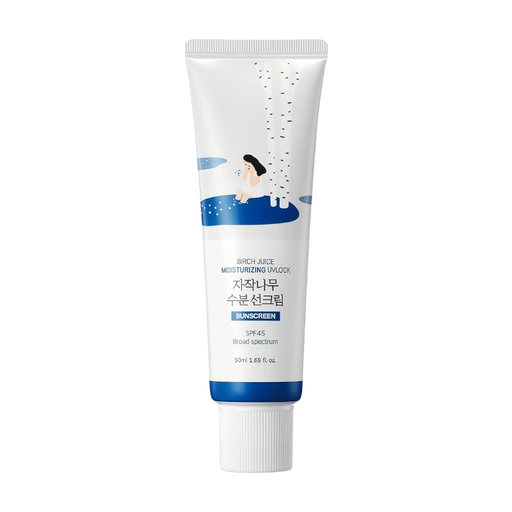
Why it suits this profile: An everyday 50 ml facial formula listing glycerine, hyaluronic acid and birch sap among its ingredients. The product information states that it contains chemical UV filters and recommends reapplication.
The ingredients list makes the filters and conditioning ingredients easy to verify, rather than relying solely on general marketing terms.
50 ml; glycerine, sodium hyaluronate and niacinamide are listed; suitable as the final step in a skincare routine.

Why it suits this profile: According to the product information, this Korean sunscreen offers SPF50+ PA+++ and a fragrance-free cream formula containing rice extract and fermented ingredients.
The fragrance-free claim and full ingredients list help you compare skincare claims with specific product information.
SPF50+ PA+++; 50 ml; fragrance-free according to the product details; designed for everyday facial use.
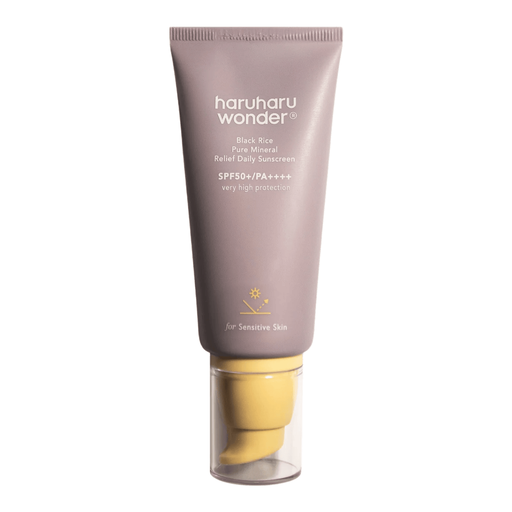
Why it suits this profile: The ingredients list identifies zinc oxide as a mineral UV filter, alongside niacinamide, ceramide NP and sodium hyaluronate.
The product information explicitly states that zinc oxide may initially leave a slight white cast. You therefore know what to expect before applying it.
50 ml; mineral filter based on zinc oxide; ceramide NP, glycerine and hyaluronic acid listed in the formula.
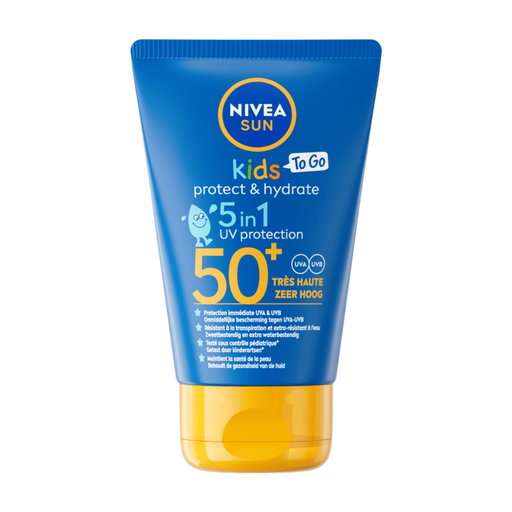
Why it suits this profile: The compact 50 ml pack is designed for use on the go. According to the product information, the formula is extra water-resistant and developed for children.
The “extra water-resistant” statement clearly distinguishes it from an ordinary everyday sunscreen. Reapplication is still necessary after drying off or prolonged exposure.
SPF50+; 50 ml; compact packaging; extra water-resistant according to the product description.
We have put together a complete, up-to-date list of products that fully meet these strict selection criteria and the applicable European safety regulations.
A lightweight sunscreen without a white cast can be comfortable for everyday use, while a mineral formula may be a better fit for someone specifically looking for zinc oxide. The right choice therefore depends on your skin type, routine and activities, not just the brand or packaging.
SPF50 is a practical choice if you spend a lot of time outdoors, have fair skin or want to limit sun exposure. UV rays can reach your skin even on cloudy days. Apply enough and reapply during prolonged exposure.
Yes. Choose a lightweight formula that absorbs quickly and apply your usual skincare first. Wait briefly between layers. Test a new sunscreen in advance, as pilling under make-up can also be caused by a combination of several products.
Follow the symbol on the packaging, such as the open-jar symbol showing a number of months. Do not leave sunscreen in a hot car or direct sunlight for extended periods. Has the smell, colour or texture changed? It is best not to use the product and to check the expiry information.
