
Vandaag of morgen in huis

Kwaliteit gegarandeerd

Welkomstaanbiedingen ontgrendelen: GRATIS bezorging | Tot 80% korting | Gratis 30 dagen JoyPlus-proefperiode
Download de app
SPF50 facial sun cream is a practical choice for everyday protection, but not every formula feels the same. A shiny cream can be awkward under make-up, a mineral sunscreen may leave a slight white cast, and a product designed for the face is not automatically suitable for a day at the beach.
Most disappointing purchases usually result from three common pitfalls:
SPF50 or SPF50+ provides a high level of protection against UVB radiation according to the SPF testing method. UVA radiation also plays a role during prolonged sun exposure. Therefore, ideally choose a product with proven UVA and UVB protection.
Apply enough to your face and neck. A useful guideline is around two finger lengths for your face and neck combined, unless the packaging specifies a different amount. Ideally apply sunscreen 15 to 30 minutes before exposure and reapply approximately every two hours when outdoors. Reapplication is necessary after swimming, perspiring or towelling yourself dry.
A higher SPF does not make a smaller amount sufficient. Applying too little product significantly reduces the level of protection.
The formula determines whether you will continue using your sunscreen every day:
The UV filters used are also relevant. Mineral sunscreen generally contains filters such as zinc oxide. Chemical or organic filters are common in lightweight Korean sunscreens and liquid milk formulas. Neither category is automatically suitable for every user.
For commuting, a 40 to 50 ml tube is practical. A travel-size sunscreen of 12 or 15 ml fits more easily into a wash bag, but runs out faster. You need considerably more product for your body than for your face.
For children, beach days and outdoor sports, a product with clear water-resistance information is important. Also check whether the product is intended for children. An adult facial product does not automatically replace sunscreen for children.

Why it suits this profile: This Korean sunscreen has SPF50+ PA+++ and a cream texture for everyday use on the face. The product information lists rice extract, glycerine and a fragrance-free formula.
The specifications clearly state SPF50+ and PA+++. This means you do not have to rely solely on a general claim of “high protection”.
50 ml, fragrance-free according to the product details, with a lightweight texture and ingredients such as rice extract and glycerine.

Why it suits this profile: The milk texture and compact size make it a good choice for anyone looking for a portable facial sunscreen with high protection.
The description mentions SPF50+, a lightweight texture and water resistance. However, check the current packaging and directions before use.
12 ml travel size, milk formula, SPF50+ and water-resistant according to the product description.
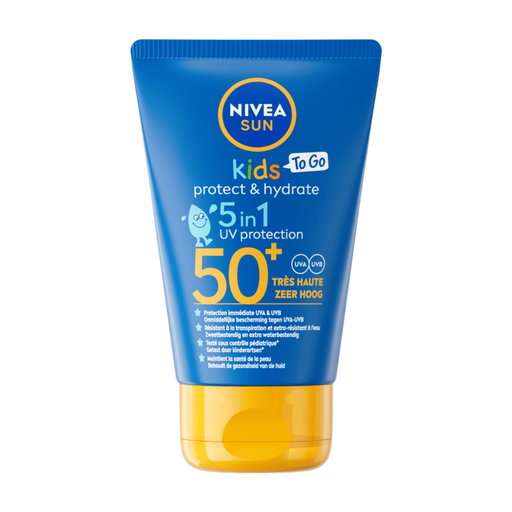
Why it suits this profile: For families and active children, a compact product with SPF50+ and water resistance is practical for days out and holidays.
The product information explicitly states that it offers extra water resistance and comes in a pocket-sized format. Reapplication is still necessary after swimming or towelling yourself dry.
50 ml, SPF50+, UVA and UVB protection and extra water resistance according to the manufacturer. The product was specially developed for children.
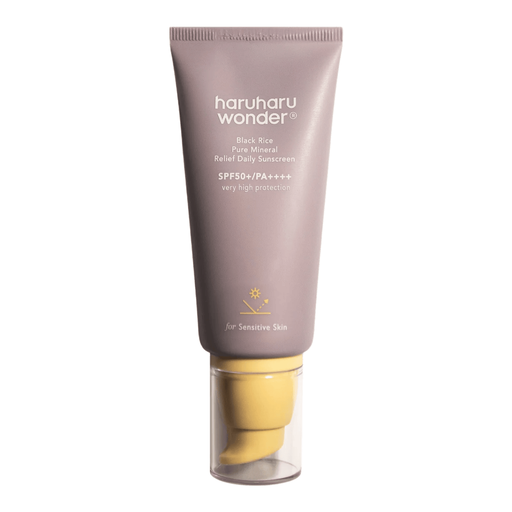
Why it suits this profile: This mineral formula uses zinc oxide as a UV filter and, according to the ingredients list, contains ceramide NP, glycerine and rice extract, among other ingredients.
The product information warns that zinc oxide may leave a slight white cast. Blending it in carefully means you will not discover this characteristic only after buying it.
Mineral formula with zinc oxide, 50 ml and ingredients such as niacinamide, glycerine and ceramide NP.
We have compiled a complete, up-to-date list of products that fully meet these strict selection criteria and the applicable European safety regulations.
That depends on your skin, exposure and circumstances. For everyday outdoor use, holidays, sport or sensitive skin, SPF50 can be a practical choice. Apply enough and reapply during prolonged exposure. SPF50 does not make other precautions, such as seeking shade and wearing clothing, unnecessary.
Check the symbol on the packaging, usually an open jar marked, for example, 12M. This indicates how many months the product is intended to be used for after opening. Store sunscreen somewhere cool and out of direct sunlight. A change in smell, colour or texture is a reason to stop using the product.
Yes, many lightweight formulas are designed to be the final step in your morning routine and can be applied under make-up. Allow the sun cream to absorb first and avoid rubbing your skin for too long. When trying a new combination, check that the products do not pill. Reapplying over make-up often requires a different method, such as gently patting on a suitable sunscreen.
