
Livraison le jour même et le lendemain

Qualité garantie

Débloquez vos offres de bienvenue: Livraison GRATUITE | Jusqu'à -80 % | 30 jours d'essai gratuits à JoyPlus
Téléchargez l'application
Facial sun cream needs to do more than simply display a high SPF on the packaging. The texture determines whether you use the product every day, the ingredients may matter if you have sensitive skin, and a tinted formula needs to suit your skin tone. If you search for “SPF50” alone, you may therefore overlook several practical pitfalls.
1. Mistaking SPF50 for complete protection
SPF mainly indicates protection against UVB rays, which cause redness and sunburn. Also check whether the product mentions UVA protection. UVA rays penetrate deeper and contribute to skin ageing and pigmentation. Look for “broad spectrum”, “UVA/UVB” or a European UVA marking on the packaging.
2. Choosing a formula that does not suit your skin type
A rich cream can feel comfortable on dry skin, but may feel heavy on oily or blemish-prone skin. A lightweight sun fluid often works better for daily use and under make-up. If you have sensitive or redness-prone skin, it is sensible to check the INCI list for perfume, alcohol denat. and known irritating ingredients.
3. Overlooking water resistance and reapplication
Facial sun cream is not automatically water-resistant. For example, according to the product information, Anua Heartleaf Silky Moisture Suncream is described as not water-resistant. For cycling, sport, swimming or heavy sweating, you need a product that explicitly states it is water- or sweat-resistant. Even with such a product, you still need to reapply after swimming, drying yourself or intense sweating.
For everyday sun protection, many adults choose SPF50 or SPF50+. Also check the UVA indication. With Korean sun creams, you will often see the PA classification: PA++++ represents a high UVA protection category within that system. This does not automatically replace the information on European packaging, so always check the current product packaging and instructions for use.
Also pay attention to the recommended amount. The product information for various sun creams states approximately two finger lengths for the face and neck. Using too little product significantly reduces the actual level of protection. Apply facial sun cream as the final step in your morning skincare routine, before make-up.
“ No white cast” and “instant absorption” are product claims. Check the ingredients, your skin tone and user information before assuming that the finish will be invisible on your skin.
For dry skin, glycerine, hyaluronic acid or other moisturising ingredients may be worth looking for. Niacinamide is found in several formulas, but skin reactions vary from person to person. If you have sensitive or redness-prone skin, a patch test is advisable: first apply a small amount to a limited area of skin.
If irritation, redness or swelling occurs, stop using the product and follow the safety information on the packaging. Sun cream is a cosmetic product, not a treatment for skin conditions.
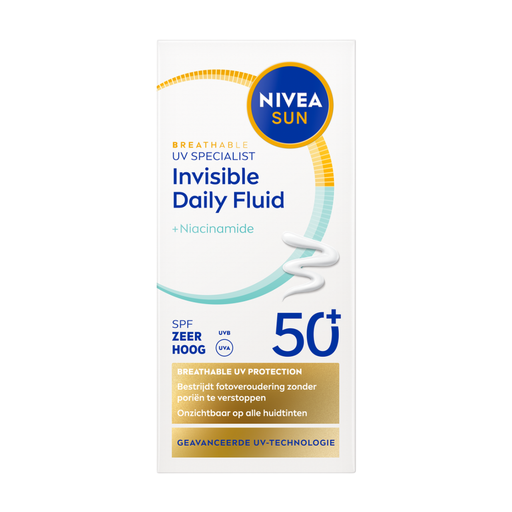
Why it suits this profile: The 40 ml fluid is designed for everyday use and, according to the product information, has a lightweight, non-greasy texture that is suitable under make-up.
The product information mentions UVA/UVB protection, a matte finish and no white residue. Check the current packaging if you want to avoid perfume or alcohol.
SPF50+, 40 ml, an ultra-light fluid and, according to an instrumental test by the brand, a long-lasting matte effect.
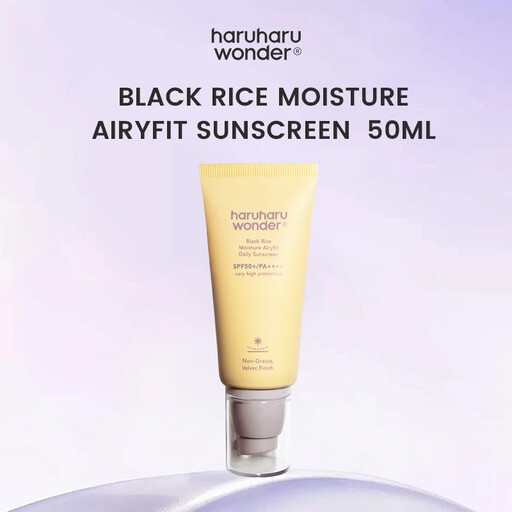
Why it suits this profile: This Korean sun cream combines SPF50+ with PA++++ and an airy texture. It is a good choice for anyone who values daily hydration and UVA information.
The listed features go beyond SPF alone: the product page mentions PA++++, an airy finish and no white cast.
50 ml, SPF50+, PA++++ and moisturising ingredients such as glycerine, according to the ingredients list.

Why it suits this profile: The 12 ml pack is practical for taking with you. According to the product information, the formula is water-resistant, making it useful for outdoor activities.
The product information states that it is water-resistant. Reapplication is still necessary after swimming, sweating or drying yourself.
SPF50+, a milky texture, 12 ml format and a water-resistant formula according to the product page.
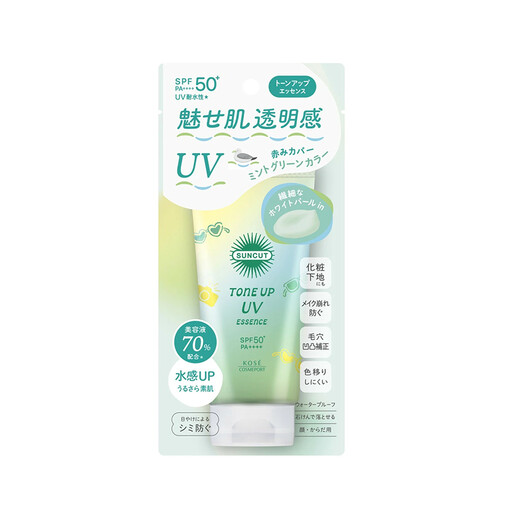
Why it suits this profile: The product description mentions a subtle tint, a lightweight cream and use as a base under make-up.
The tint may visually neutralise redness, but the effect varies depending on your skin tone. Do not therefore interpret the brand description as a medical effect.
80 g, a subtle tint, lightweight formula and suitability as a make-up base according to the product information.
We have compiled a complete, up-to-date list of products that fully meet these strict selection criteria and the applicable European safety regulations.
SPF50 is a practical choice if you spend a lot of time outdoors, have fair skin, are prone to pigmentation or are exposed to intense sunlight. The level of protection also depends on the amount applied, even coverage and reapplication. SPF50 does not make other sun-protection measures unnecessary.
Yes. For best results, choose a lightweight fluid or a formula explicitly described as a make-up base. Allow the sun cream to absorb briefly before applying make-up by patting it on to help prevent pilling. Test a new combination in advance, as skincare and make-up can behave differently from one product to another.
Check the expiry date, batch number and the open-jar symbol indicating how long the product can be used after opening on the packaging. Store sun cream in a cool place away from direct sunlight. A change in smell, colour or texture is a reason to stop using the product.
