
Vandaag of morgen in huis

Kwaliteit gegarandeerd

Welkomstaanbiedingen ontgrendelen: GRATIS bezorging | Tot 80% korting | Gratis 30 dagen JoyPlus-proefperiode
Download de app
Korean SPF50 facial sunscreen is often known for its lightweight texture, hydrating feel and ability to sit well under make-up. But attractive packaging or a popular ingredient list doesn’t tell you everything. The right choice depends on your skin type, daily routine and the conditions in which you use your sunscreen.
SPF50+ indicates protection against UVB rays under standardised test conditions. It doesn’t mean you only need to apply the cream once all day. Sweating, swimming, towelling off and friction reduce the amount applied.
For everyday use in the Netherlands, it’s important to apply a generous layer. If you’re outdoors for longer, reapplication is generally recommended, often after around two hours or sooner after swimming or sweating.
A mineral sunscreen containing zinc oxide may initially leave a slight white cast on some skin tones. For example, Haruharu Wonder’s product description says that, when blended in carefully, zinc oxide can give a satin finish, but also notes that a slight white cast is possible.
Chemical or hybrid filters often feel more transparent, but may not suit everyone. So check the full ingredients list and test the product on a small area of skin first.
A hydrating sunscreen may contain ingredients such as glycerine, rice extract, panthenol, hyaluronic acid or birch extract. These can feel pleasant on dry or normal skin. However, a richer formula may look shiny or pill under make-up on oily or combination skin.
So don’t just look for claims such as “moisturising” or “glowy”; consider the texture, filter type and your existing skincare routine too.
When choosing SPF50 facial sunscreen, check the SPF rating first. SPF50+ indicates a high level of protection against UVB, according to the product labelling. Korean products also often display PA++++, a rating for UVA protection within the PA system. Not every European product uses exactly the same rating, so also check the information on the packaging and details of the EU responsible person.
A higher SPF won’t make a layer that’s applied too thinly effective. Use a generous amount on your face and neck, and spread it evenly.
Filter type isn’t a straightforward ranking of quality. Sensitive skin may react to certain filters, alcohol, fragrance or essential oils. Always check the current INCI list on the packaging.
A product that isn’t labelled as water-resistant is less suitable for swimming, intense exercise or a long day at the beach. According to the product information, Anessa Perfect UV Sunscreen Skincare Milk is water-resistant. Anua Heartleaf Silky Moisture Suncream, on the other hand, is explicitly described as not water-resistant.
For commuting, shopping and time in the office, a lightweight Korean sunscreen may feel more comfortable. For outdoor activities, reapplication and water resistance matter more than an especially light finish.
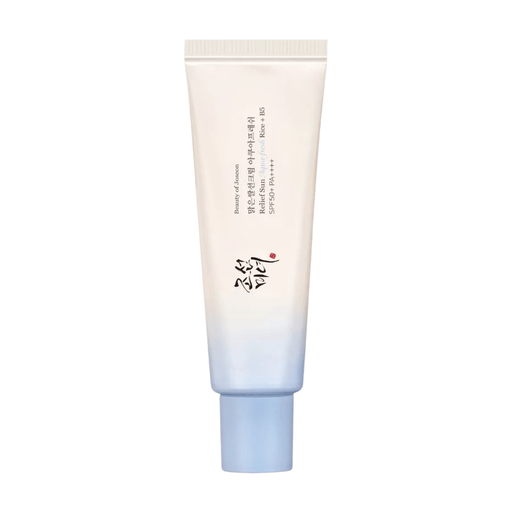
Why it suits this profile: Its light, watery texture is practical for everyday use and, according to the product description, works well under make-up.
The product information doesn’t mention a greasy finish or white cast. Still, check the current packaging and test how it works with your make-up.
SPF50+ PA++++, rice water and panthenol; 50 ml and designed for everyday use.
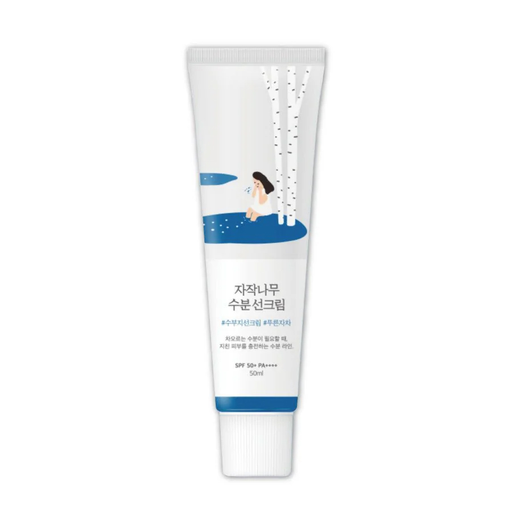
Why it suits this profile: The product description focuses on everyday protection with birch extract, niacinamide and a non-greasy finish.
The stated formula is designed to hydrate without leaving a white cast. The result still depends on how much you apply, your skin tone and how thoroughly you blend it in.
SPF50+ PA++++, 50 ml and, according to the product information, suitable for sensitive and normal skin.

Why it suits this profile: The product information describes a lightweight milk texture and water resistance, making it a good fit for outdoor activities and warmer days.
Its stated water resistance makes it a more practical choice for active use than a product without water resistance.
SPF50+, milk texture, 12 ml travel size and stated water resistance.
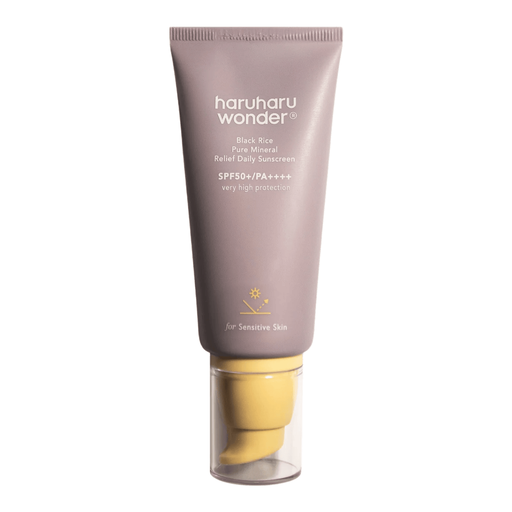
Why it suits this profile: This product uses zinc oxide as a mineral filter and contains niacinamide, ceramide NP and hyaluronic acid, among other ingredients.
The product information warns that a slight white cast is possible. This gives you a better idea of what to expect from a mineral formula.
Zinc oxide as a mineral filter, 50 ml and an SPF rating as stated in the product listing.
We’ve put together a complete, up-to-date list of products that meet these strict selection criteria and comply with current European safety regulations.
Apply sunscreen as the final step in your morning routine, after serum and moisturiser. Wait a short while for the formula to spread evenly before applying make-up. If you have dry skin, a hydrating formula may be enough without an extra cream. If you have oily skin, you may find a light moisturiser or gel underneath more comfortable.
Use enough product for your face and neck. Don’t apply just a tiny dab to your cheeks: the nose, ears, hairline and neck are often missed. If you’re outdoors for a long time, you’ll need to reapply, even if the finish still feels comfortable after a few hours.
That depends on the ingredients, texture and your personal tolerance. Many formulas are made for everyday use on the face, but always check the warnings, fragrance, alcohol and filter types. If you have sensitive skin, it’s a good idea to do a patch test.
Check the expiry date and the symbol on the packaging. The exact period varies by product. Store sunscreen in a cool, dry place away from direct sunlight. A change in smell, colour or texture may be a reason to stop using the product.
If you spend little time outdoors, your exposure is lower, but time by windows and brief trips outside still count. If you cycle, walk or spend a lot of time working by a window every day, daily UV protection with SPF50 may be a practical choice. Reapply especially if you’ll be outside for longer, are sweating or come into contact with water.
