
Vandaag of morgen in huis

Kwaliteit gegarandeerd

Welkomstaanbiedingen ontgrendelen: GRATIS bezorging | Tot 80% korting | Gratis 30 dagen JoyPlus-proefperiode
Download de app
SPF50 sun cream for your face needs to do more than display a high number on the packaging. You want a product that feels comfortable, offers sufficient protection and suits your skin type and daily routine. When shopping online, it can be particularly difficult to judge the texture, finish and feel on your skin in advance.
There are three common pitfalls:
SPF50 or SPF50+ indicates that the product claims to protect against UVB rays. For daily facial sun protection, it’s also important to look for a clear mention of UVA protection. Korean products often display PA++++, which indicates UVA protection within the testing system used.
A high protection factor only works if you apply enough product and reapply it. No sunscreen makes spending a long time in the sun without taking additional precautions safe by default. A hat, sunglasses and shade are still practical ways to add protection.
If you’re looking for sunscreen without a white cast, you might prefer a gel, serum-like lotion or a formula with chemical filters. Mineral filters such as zinc oxide and titanium dioxide can be more visible on the skin, especially when applied in larger amounts.
Look out for these combinations:
A 50 ml tube is practical for daily use, but it isn’t intended to last for months if you apply just a small amount once a day. Check the expiry information on the packaging and keep the product out of direct sunlight and away from extreme heat.
Reapplication is especially important when you’re outdoors, sweating, swimming or drying yourself off. An SPF50 sunscreen stick is handy for topping up on the go, but don’t skimp on the amount: you’ll need several even strokes to apply a generous layer.
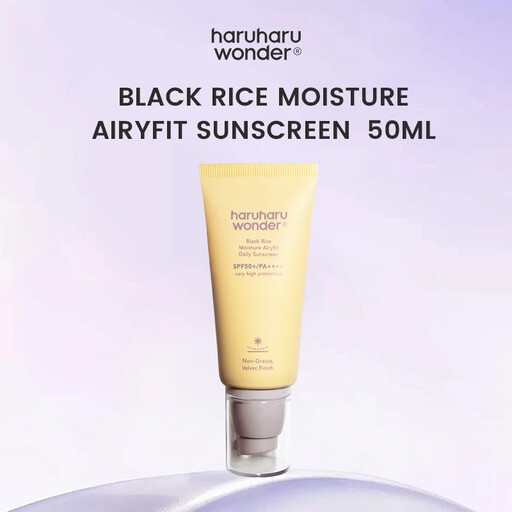
Why it suits this profile: This Korean sunscreen combines SPF50+ with PA++++ in a lightweight texture. According to the product description, it’s designed for daily use and leaves no white cast or sticky residue.
Its lightweight finish and explicit UVA/UVB specifications help you avoid relying on the SPF number alone.
50 ml, SPF50+, PA++++, black rice extract and, according to the product information, a fast-absorbing finish.
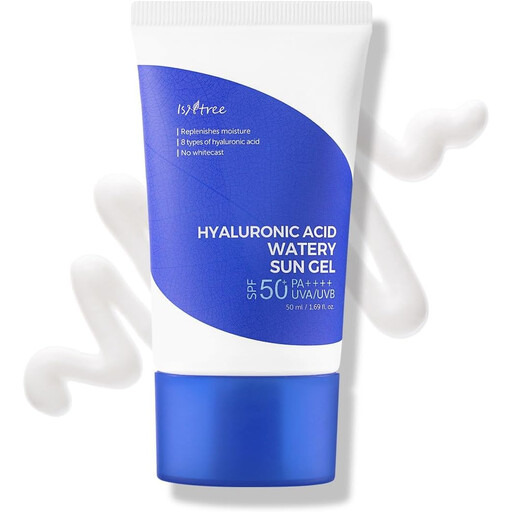
Why it suits this profile: A good choice if you want lightweight sun protection alongside a more hydrated feel. The product information lists eight types of hyaluronic acid, SPF50+ and PA++++.
The gel texture and the stated absence of fragrance, alcohol and essential oils make it easier to check the formula details than a general claim such as “for everyone”.
Watery gel, 50 ml, SPF50+, PA++++ and, according to the product description, a non-greasy finish that can be worn under make-up.
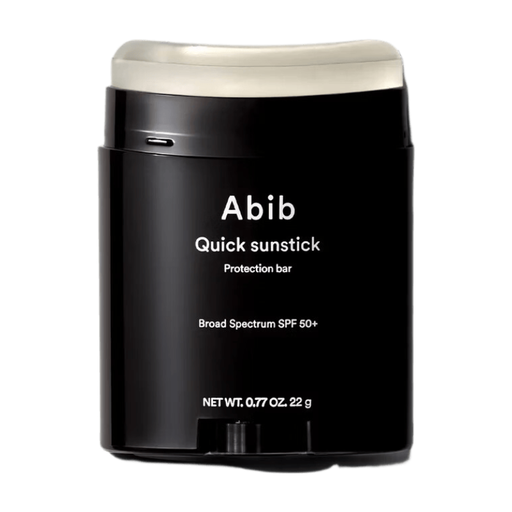
Why it suits this profile: This compact 22 g stick is designed for easy top-ups on the go. The product information lists SPF50+, PA++++ and use on the face and neck.
A stick is practical for reapplication, but the clear instructions are a reminder to apply it generously and evenly rather than relying on one quick swipe.
22 g, SPF50+, PA++++, compact size and, according to the product information, suitable for use over or under make-up.
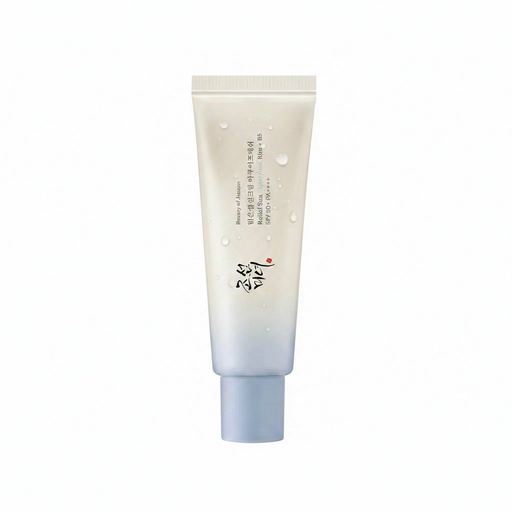
Why it suits this profile: The product description mentions a watery texture, rice water and panthenol. That makes it a good match if you’re looking for a lightweight layer that feels comfortable under make-up.
The stated fragrance-free and alcohol-free formula makes it easier to check in advance whether the product’s properties suit your routine.
50 ml, SPF50+, PA++++, rice water, panthenol and, according to the product information, a finish without a white cast or greasy residue.
We’ve put together a complete, up-to-date list of products that meet these strict selection criteria and current European safety regulations.
Apply a generous, even layer to your face and neck. A commonly used rule of thumb is to apply two finger lengths, but check the instructions on the packaging too. Applying too thin a layer reduces the level of protection stated on the packaging.
Yes. Choose a lightweight formula that absorbs quickly and doesn’t feel too sticky. Apply your skincare and sunscreen first, then wait a little before putting on make-up. A stick can be handy for reapplication, but make sure you apply it carefully to all exposed areas.
If you’re spending a long time outdoors, you’ll generally need to reapply, especially after swimming, sweating or drying yourself off. Instructions vary from product to product, so always check the label and directions for use. Using SPF50 isn’t a reason to stay in direct sunlight for longer.
