
Vandaag of morgen in huis

Kwaliteit gegarandeerd

Welkomstaanbiedingen ontgrendelen: GRATIS bezorging | Tot 80% korting | Gratis 30 dagen JoyPlus-proefperiode
Download de app
SPF50 sun cream for your face needs more than just a high sun protection factor. Its texture, ingredients, water resistance and how it sits under make-up all affect whether you’ll keep using it every day. A cream that stings around your eyes, pills over your serum or leaves a visible white cast can soon end up unused in the bathroom cabinet.
For adults and parents in the Netherlands, these three pitfalls are particularly worth bearing in mind:
For everyday use on the face, many people choose SPF50 or SPF50+. This is particularly important if you spend a lot of time outdoors, burn easily or expose your face to daylight for long periods. Also check whether the packaging states that the product offers broad-spectrum UVA/UVB protection. Korean sunscreens often indicate UVA protection with PA+++ or PA++++.
How much you apply also affects the level of protection you get. A thin layer won’t necessarily give you the protection stated on the label. As a practical guide, use around two finger lengths for your face and neck, unless the product packaging gives different instructions. Apply SPF50 sun cream as the last step in your morning routine, spreading it evenly over your face, ears and neck.
A chemical sunscreen uses UV filters that absorb UV radiation. A mineral sunscreen contains ingredients such as zinc oxide. Haruharu Wonder Black Rice Pure Mineral Sunscreen and AXIS-Y Complete No-Stress Physical Sunscreen V.3 list zinc oxide as a physical filter.
Mineral formulas may be worth considering if you want to avoid certain chemical filters, but check the finish. According to the product information, the zinc oxide in Haruharu Wonder may leave a slight white cast if it isn’t spread evenly. If you’re looking for sunscreen that doesn’t leave a white cast, look for a light, transparent formula and check reviews from people with a similar skin tone.
Ingredients such as glycerine, hyaluronic acid, rice extract and panthenol are often found in moisturising sunscreen. Niacinamide may also be included in the formula. Think of these as product features, not a guarantee of a particular result for your skin. If your skin is sensitive or prone to redness, it’s sensible to test the product on a small area first. Check the ingredients list for fragrance, alcohol and essential oils too.
If you wear make-up every day, a light sunscreen that absorbs quickly and doesn’t pill is usually a good choice. A product description saying “suitable as a make-up base” can be a helpful guide, but the result also depends on your serum, day cream and foundation. Let each layer absorb for a short while, and avoid rubbing the sunscreen in for too long.
Water-resistant sunscreen is more practical for the beach, cycling or sports. “Very water resistant” still doesn’t mean you can skip reapplying after swimming or drying yourself. For children, it’s also important to choose a formula that’s easy to apply generously. Sunscreen for children isn’t automatically suitable for every adult’s face, so check the texture, fragrance and instructions for use.
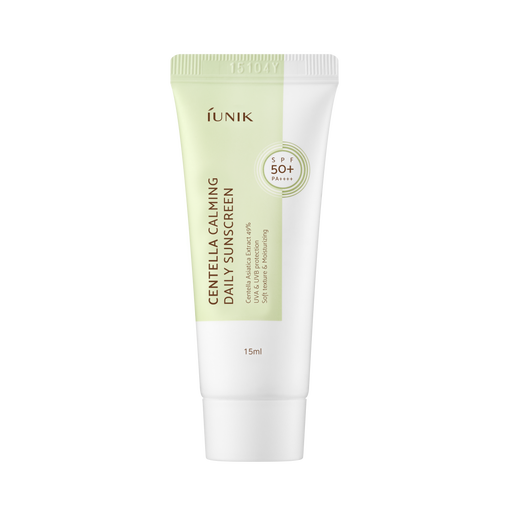
Why it suits this profile: The compact 15 ml size is handy for trying a face sunscreen for the first time or carrying it in your bag. According to the product information, the formula contains SPF50+ PA++++, glycerine, niacinamide and centella asiatica.
The small pack helps avoid waste if you’re not yet sure whether the texture will work with your skin and make-up. The product description says it has a light, non-greasy formula.
15 ml travel size; SPF50+ PA++++; ingredients include glycerine and niacinamide.

Why it suits this profile: This Korean sunscreen is designed for everyday use by adults. According to the product information, the formula contains SPF50+ PA+++ and 30% rice extract; the product details also describe it as fragrance-free.
The light cream is described as applying without a white cast or sticky feel. Still, check that the finish works with your foundation.
50 ml; SPF50+ PA+++; fragrance-free according to the product details; light texture for everyday use.
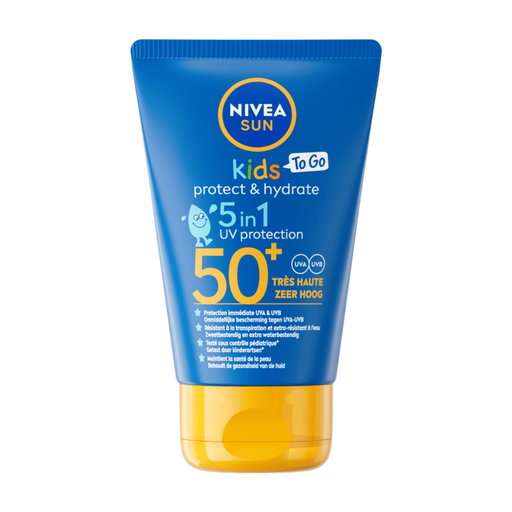
Why it suits this profile: The 50 ml pack is designed for travel and active children. According to the product information, the formula is very water resistant and contains panthenol and vitamins C and E.
The travel size and stated water resistance make it a good fit for playing outdoors and holidays. Reapply after swimming, sweating or drying yourself.
SPF50+; 50 ml pocket size; described as very water resistant and designed for children according to the product information.
We’ve put together a complete, up-to-date list of products that meet these strict selection criteria and current European safety requirements.
A product with SPF50 doesn’t replace other forms of protection. In strong sunshine, seek shade, wear covering clothing and use sunglasses too. If you have sensitive skin, a known allergy or persistent irritation, stop using the product and ask a doctor or dermatologist for advice.
Using it every day can be practical if your face is often exposed to daylight, for example when cycling, walking or commuting. Choose a texture you enjoy using so that you continue to apply enough. If you’re outdoors for a long time, it’s important to reapply.
The exact period of use is stated on the packaging, often with an open-jar symbol. Don’t store sunscreen in direct sunlight or at high temperatures. A change in smell, colour or texture may be a reason to stop using the product. Always follow the manufacturer’s instructions.
You can, as long as you follow the product’s instructions, but face sunscreen is often designed with a different texture. A body product may feel greasier or be less suitable under make-up. Check whether the product is intended for the face, and look out for fragrance, alcohol, water resistance and the finish.
