
Livraison le jour même et le lendemain

Qualité garantie

Débloquez vos offres de bienvenue: Livraison GRATUITE | Jusqu'à -80 % | 30 jours d'essai gratuits à JoyPlus
Téléchargez l'application
Daily facial skincare with SPF combines two steps: moisturising and protection from UV radiation. However, not every day cream with SPF is suitable for every face. A low protection factor, a heavy texture or fragrance can mean a product ends up unused in the bathroom.
As a Joybuy Product Recommendation Officer, I filter the key product specifications and common marketing claims. This helps you compare facial sunscreen, a moisturiser with sun protection or a tinted day cream with SPF more selectively.
SPF mainly refers to protection against UVB radiation, which is associated with redness and sunburn, among other things. Also check whether the product specifies UVA protection. UVA radiation penetrates deeper and plays a role in skin ageing. A designation such as PA++++ or a European UVA symbol provides extra information, but always check the packaging and product description.
An SPF 15 day cream can be practical for short periods indoors, but many users choose SPF 50 facial sunscreen for spending extended periods outdoors.
A product sold as a moisturiser or day cream may contain fewer sun filters than a dedicated sunscreen. People also often apply too little. As a result, the actual protection is lower than the SPF on the packaging suggests.
Apply a generous, even layer to your face and neck. Reapply after prolonged exposure, sweating, swimming or drying yourself. Also check whether the product is water-resistant; not all sunscreens are.
Terms such as “lifting”, “wrinkle reduction” and “barrier repair” do not automatically guarantee a particular result. According to the brand’s own research or the product description, such properties may be part of the product’s positioning. Focus instead on verifiable information: SPF, UVA designation, volume, ingredients, skin type, texture and directions for use.
For daily use in the Netherlands, SPF 30 or SPF 50 is often a logical choice if your face is regularly exposed to the outdoors. SPF 50+ does not mean you can stay in the sun indefinitely. Avoid the strong midday sun and follow the advice on the label.
Look out for these points:
Dry skin may respond well to a cream with glycerine, hyaluronic acid, beta-glucan or ceramides. For oily or acne-prone skin, an oil-free, light or non-comedogenic formula may be more practical. These terms describe the product formula; they do not predict how it will feel on everyone’s skin.
If you wear make-up, you may look for a sunscreen without a white cast and a formula that absorbs quickly. A light gel cream or fluid may be more convenient than a rich cream.
A tinted day cream with SPF can make redness or an uneven complexion look less noticeable. Check that the tint suits your skin, though. For sensitive skin, fragrance, alcohol or essential oils may be factors to consider. Check the full ingredients list and test a new product on a small area of skin first. Stop using it if irritation occurs and ask a doctor or pharmacist for advice if symptoms persist.
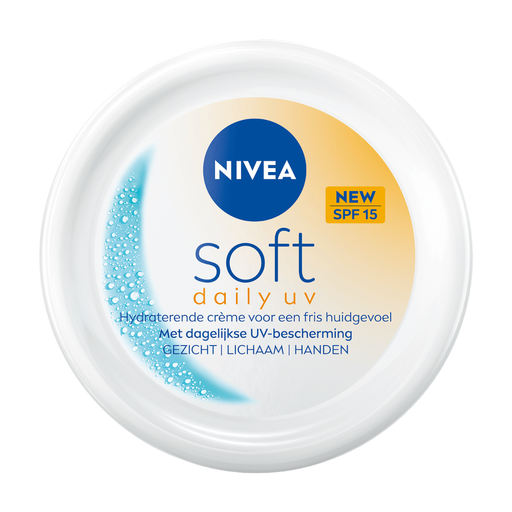
Why This Fits Their Persona: A generous 250 ml tube for anyone who wants to use one light cream for their face, hands and body when daily exposure is limited.
The SPF 15 is clearly stated. So do not expect it to be an alternative to SPF 50 for days at the beach or extended periods outdoors.
250 ml; according to the product description, it is suitable for the face, body and hands and is intended to be a light, non-greasy cream.
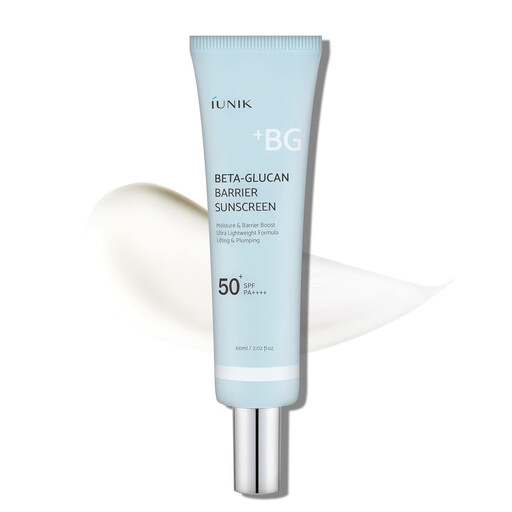
Why This Fits Their Persona: Suits users looking for Korean sunscreen with a high SPF rating and a nourishing daily product for different skin types.
The product name states SPF 50+ and PA++++. Still, check the current packaging and instructions for use before buying.
Beta-glucan is mentioned in the product name; the description states that it has a matte finish and leaves no white cast.
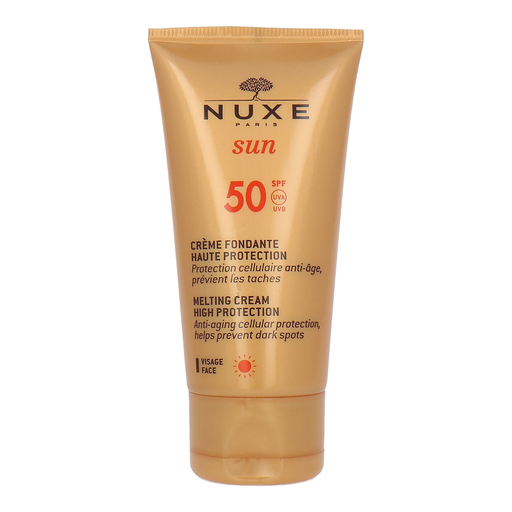
Why This Fits Their Persona: Suitable for adults looking for an SPF 50 facial product for outdoor use and who enjoy a creamy texture.
The directions for use explicitly state that you need to apply enough product and reapply regularly. So the cream is not a one-off morning step for a whole day outdoors.
SPF 50+; the product description states that it offers UVA and UVB protection and has a silky cream texture.
Browse a current selection of protective creams and compare products by SPF, texture, skin type and intended use.
That depends on your sun exposure and the SPF. For short trips, a day cream with SPF 15 or SPF 30 can be practical. If you spend a lot of time outdoors, exercise or go on holiday, a separate facial sunscreen with SPF 50 is often more suitable. Always apply enough and reapply if necessary.
Yes, if the formula feels comfortable and you give it enough time to absorb. A light Korean sunscreen or a sunscreen without a white cast may be convenient for this. A tinted moisturiser with sun protection combines skincare and a more even-looking complexion, but the tint should not be a reason to apply less product.
Follow the expiry date and the period-after-opening symbol on the packaging. Do not store sunscreen in direct sunlight or a hot car for long periods. If the smell, colour or texture changes, stop using the product. If you use it intensively every day, replacing it regularly is usually more practical than keeping an opened pack for years.
