
Vandaag of morgen in huis

Kwaliteit gegarandeerd

Welkomstaanbiedingen ontgrendelen: GRATIS bezorging | Tot 80% korting | Gratis 30 dagen JoyPlus-proefperiode
Download de app
SPF 50 sunscreen is a sensible choice for sunny days, holidays and everyday exposure to UV radiation. However, a high SPF alone is not enough to ensure a product suits the way you use it. Dry skin needs something different from oily skin, while a children’s formula should offer different practical features from an SPF 50 facial sunscreen designed to be worn under make-up.
The key question is therefore not just: “Which SPF 50+ sunscreen offers a high level of protection?” You should also consider UVA and UVB protection, texture, water resistance, skin type and how much product you actually apply.
SPF mainly relates to protection against UVB radiation. So also check whether the product states that it offers UVA protection, for example through a UVA logo or a PA rating. UVA radiation is particularly relevant during prolonged exposure and can contribute to visible skin ageing. No sunscreen provides complete protection against UV radiation. Avoid prolonged exposure and seek shade wherever possible.
A mattifying sunscreen or a sunscreen that does not leave a white cast can feel pleasant, but applying a thin layer does not automatically provide the level of protection stated on the packaging. A product that feels sticky is also often left unused in the cupboard. Choose a texture that you can apply generously and evenly.
According to some brands’ product information, mineral filters such as zinc oxide may leave a slight white cast. This can be a consideration with a purely mineral formula, for example. A transparent or tinted formula may reduce this effect, but always check how the shade works with your skin tone.
Water-resistant sunscreen is useful for swimming, exercising and sweating, but it does not mean that reapplication is unnecessary. If you rub your skin with a towel, swim or sweat heavily, reapply the sunscreen. Follow the directions for use on the packaging.
SPF 50 and SPF 50+ indicate a high level of protection against UVB radiation according to the relevant testing method. You should also look for a UVA rating. Korean sunscreens often display PA++++, while European products may use the UVA symbol in a circle. These ratings are not exactly equivalent, but they do provide additional information about UVA protection.
For everyday use on the face, formulas with SPF 50+ and a clear UVA rating are practical. If you are mainly looking for sunscreen to help prevent pigmentation or an anti-ageing sunscreen, pay extra attention to daily application and using enough product. Brand claims about pigmentation, wrinkles or skin ageing are not a guarantee of individual results. Brands may claim that certain ingredients or effects are supported by their own research, so treat these as product information rather than a guaranteed outcome.
An SPF 50 facial sunscreen often comes in packaging of around 40 to 60 ml. This is convenient for everyday use, but it is not always economical for the body. For your arms, legs and shoulders, larger packaging is more practical. A small pack, such as 12 ml, can be ideal for a handbag or short trips.
Apply sunscreen before going out in the sun and reapply regularly. For the face and neck, using approximately two finger lengths is often given as a practical guideline. Do not forget your ears, neck, hands and hairline.
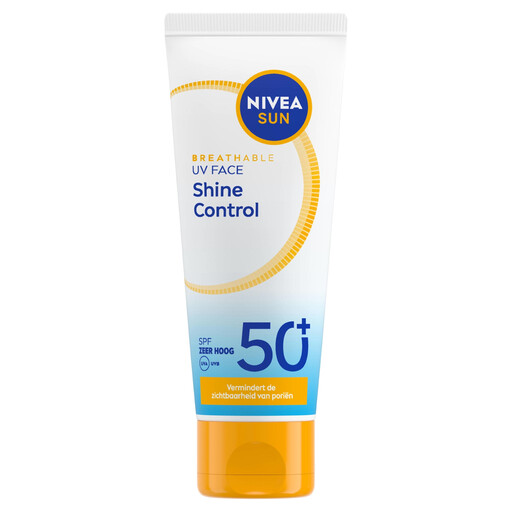
Why it suits this profile: A compact SPF 50 facial sunscreen for everyday use, described as offering a mattifying finish and fast absorption.
The product information describes a lightweight, non-greasy formula and an invisible finish. This can help if you would otherwise be less likely to use the product regularly.
SPF 50, PA++++ according to the product listing, 40 ml and a mattifying shine-control positioning.

Why it suits this profile: The milk texture and compact size suit anyone who wants to carry a nourishing sunscreen for the face and other exposed areas.
The description mentions a lightweight texture and water resistance. However, check the packaging for the latest application and reapplication guidance.
SPF 50+, milk formula, 12 ml and water-resistant according to the product description.
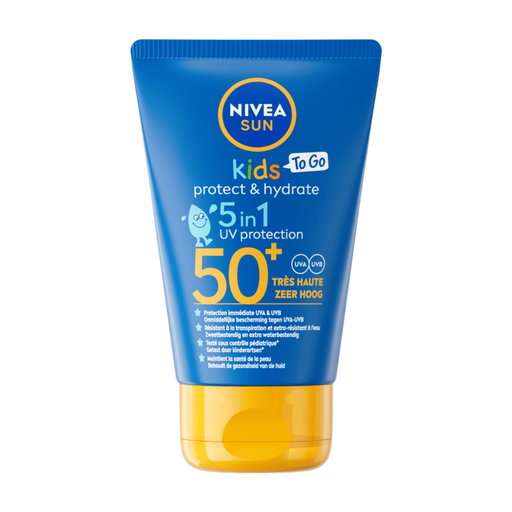
Why it suits this profile: Designed for parents looking for a compact children’s sunscreen for days out, holidays and active outdoor play.
The product listing mentions an extra water-resistant formula and a convenient 50ml pack. Reapplication after swimming or drying off is still necessary.
SPF 50+, UVA and UVB protection according to the product information, 50 ml and ingredients such as panthenol and vitamin E.
We have put together a complete, up-to-date list of products that fully meet these strict selection criteria and the applicable European safety regulations.
Yes, SPF 50 can be used every day on the face and body. For your face, ideally choose a formula that sits comfortably under make-up or does not look shiny. Reapply if you are outdoors for a long time, sweat or wipe your face.
Check the expiry date or the symbol on the packaging. The actual usable life also depends on storage and exposure to heat. A product left in a hot car may deteriorate more quickly.
SPF 50 facial sunscreen often has a lighter texture, smaller packaging and features such as a mattifying finish, no white cast or suitability for use under make-up. Body products are usually larger and designed for quick application over larger areas. The right choice depends on your skin type, when you plan to use it and your texture preferences.
