
Vandaag of morgen in huis

Kwaliteit gegarandeerd

Welkomstaanbiedingen ontgrendelen: GRATIS bezorging | Tot 80% korting | Gratis 30 dagen JoyPlus-proefperiode
Download de app
SPF 50 sunscreen may seem straightforward to choose at first glance. However, products vary considerably in texture, UVA protection, water resistance, size and suitability for different skin types. An SPF 50+ sunscreen that feels comfortable on your face is not automatically the most practical choice for the whole family or a day at the beach.
As a Joybuy Product Recommendation Officer, I filter the most important product information through a practical lens. This helps you identify the features that genuinely matter and the marketing claims worth checking before you buy.
SPF primarily indicates protection against UVB radiation, which can cause redness and sunburn, among other effects. For everyday protection, UVA protection is equally important. UVA rays penetrate deeper into the skin and contribute to skin ageing and pigmentation.
Always check whether the packaging or product page explicitly mentions UVA and UVB protection. Some Asian products also display PA++++. This is part of a different classification system and does not automatically replace the European UVA symbol.
Water-resistant sunscreen generally stays on the skin better during swimming or sweating, but no formula eliminates the need to reapply. Swimming, towel-drying and perspiration all reduce the amount of sunscreen left on the skin.
For example, NIVEA’s product information for Protect & Hydrate Ultra SPF 50+ states that it offers longer water resistance than a conventional water-resistant product. According to the brand description, this is based on an instrumental test. Treat it as a product specification—not as a reason to skip reapplication.
A sunscreen with no white cast or a mattifying sunscreen may feel more comfortable for everyday use. However, applying a thin layer significantly reduces protection. Vision SPF 50 products recommend approximately 35 ml per adult per application for the body. For the face, a practical approach is to use a generous amount for the face and neck, for example by applying it in two portions.
Pay attention to the size as well. A 40 or 50 ml bottle is convenient for the face, but it runs out quickly if you use it daily on your arms, legs and shoulders.
SPF 50 provides a high level of UVB protection under the European classification system. SPF 50+ is used for products that test above SPF 50 according to the applicable method. Also look for a UVA protection statement and always follow the directions on the packaging.
Apply sunscreen 15 to 30 minutes before exposure, depending on the brand’s instructions. Reapply approximately every two hours and sooner after swimming, sweating or towel-drying.
Review the full INCI list, particularly if you have allergies or reactive skin. A fragrance-free formula is not automatically suitable for everyone, but it may be a sensible choice if you are sensitive to fragrance. Stop using the product if irritation occurs and avoid contact with the eyes.
Claims relating to pigmentation, anti-ageing or protection against so-called environmental stress come from the brands themselves. For example, NIVEA states that LUMINOUS630 can visibly reduce the appearance of dark spots; according to the brand description, this claim is linked to a clinical study. Treat this as a brand claim, not a guaranteed result.
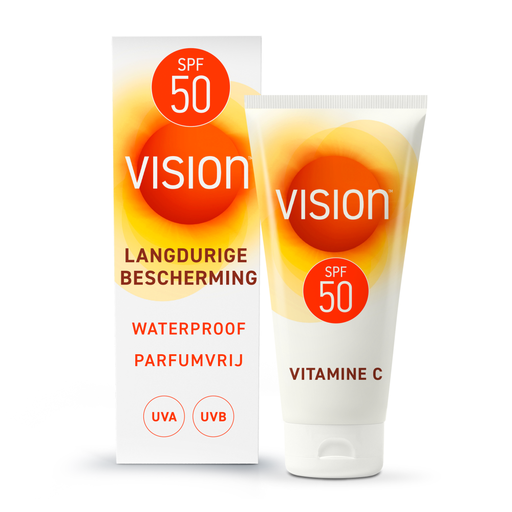
Why This Fits Their Persona: The generous size is practical for adults or families looking for sunscreen for both face and body without immediately having to buy several small bottles.
The product information explicitly mentions UVA and UVB protection and provides a clear guideline of approximately 35 ml per adult.
180 ml; glycerine, jojoba esters and shea butter are listed among the ingredients.

Why This Fits Their Persona: The compact size fits easily in a handbag, jacket pocket or toiletry bag and is designed for use on the face, neck and other exposed areas.
The product description mentions a lightweight milk texture and water resistance, while the small size makes it clear that this is not a family-sized bottle.
SPF 50+; 12 ml; according to the product information, water-resistant with a lightweight texture.
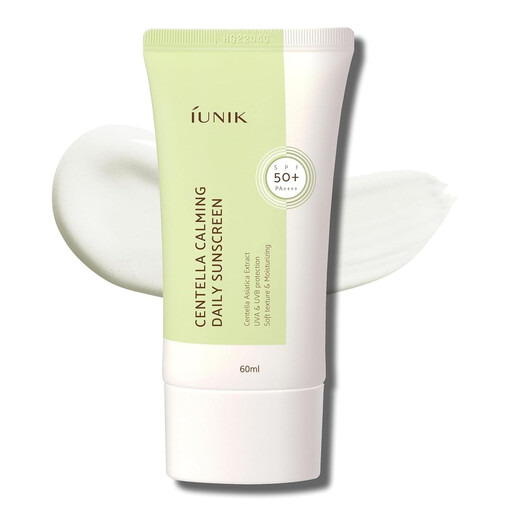
Why This Fits Their Persona: The fragrance-free product description and lightweight, non-sticky formula suit those looking for a daily sunscreen for sensitive skin.
The product page does not mention fragrance. However, always check the current ingredients list and patch-test a small amount first if your skin is reactive.
SPF 50+ PA++++; 60 ml; according to the product description, suitable for all skin types and leaves no white cast.
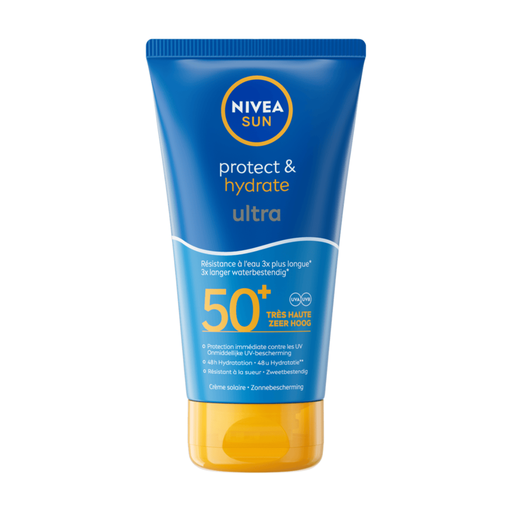
Why This Fits Their Persona: The combination of 150 ml, water resistance and a moisturising formula is practical for days at the beach, cycling and outdoor play.
The product information mentions sweat and water resistance, but still recommends reapplying after swimming or towel-drying.
150 ml; SPF 50+; according to the brand description, water-resistant and moisturising for up to 48 hours.
Explore our current selection of SPF 50 day creams and compare sizes, textures and skincare benefits based on the available product information.
Yes, SPF 50 can be suitable for everyday use on the face and body, particularly during prolonged exposure, for fair skin or when spending a lot of time outdoors. For the face, choose a formula suited to your skin type, such as a mattifying sunscreen for oily skin or a moisturising sunscreen for dry skin.
The exact shelf life is stated on the packaging. Stop using the product if its scent, colour or texture changes noticeably. Do not store sunscreen for extended periods in a hot car or direct sunlight, as heat can affect the formula.
Not necessarily. An invisible finish can improve the cosmetic experience, but protection also depends on the SPF, UVA rating, correct application amount and regular reapplication. Above all, choose a formula comfortable enough for you to apply generously and consistently.
