
Vandaag of morgen in huis

Kwaliteit gegarandeerd

Welkomstaanbiedingen ontgrendelen: GRATIS bezorging | Tot 80% korting | Gratis 30 dagen JoyPlus-proefperiode
Download de app
Choosing SPF 50 sunscreen may seem straightforward at first glance. However, products vary considerably in texture, application, water resistance and suitability for the face. For example, a spray that works well on your arms and legs is not automatically convenient for the eye area. Likewise, a lightweight, transparent formula may be less suitable for dry or sensitive skin if it contains a high level of alcohol.
As a Joybuy Product Recommendation Officer, I filter the most important product information according to practical considerations. This helps you avoid paying mainly for eye-catching packaging or a claim that does not suit the way you intend to use the product.
SPF primarily relates to UVB radiation. UVA radiation penetrates deeper into the skin and also contributes to long-term UV damage. So, check that the packaging states both UVA and UVB protection. The products in this guide mention both types of radiation in their product information, but always check the current packaging.
SPF 50 also does not mean you are protected all day after a single application. Swimming, sweating, drying yourself and friction can reduce the layer applied.
A product labelled water-resistant sunscreen will generally stay on better during contact with water than a non-water-resistant formula. This does not mean you do not need to reapply after swimming or drying yourself. Reapply after swimming, perspiring or towel-drying.
Extra water resistance is practical for children and athletes, but regular reapplication is still necessary.
SPF 50 sunscreen spray feels quick and easy to apply. As a result, you may unintentionally apply less product than necessary. Spray generously, spread the mist thoroughly and check that all areas of skin are evenly covered. Preferably, do not spray directly onto your face. Spray it into your hand first, then apply it around your nose, cheeks and forehead.
A transparent sunscreen leaves less visible white residue, but that does not make a thin layer sufficient.
For everyday use and longer periods outdoors, choose a product with SPF 50 or SPF 50+ if you are looking for a high level of protection. Also check that UVA protection is stated. SPF 50+ is available in products including the NIVEA SUN Protect & Hydrate range and the NIVEA SUN Kids To Go Sun Milk.
For your face, a dedicated facial sunscreen may feel more comfortable than a body lotion. Facial products are often developed with fast absorption, make-up application or a specific finish in mind.
Also check the ingredients list. A formula containing perfume or alcohol denat. may feel less comfortable for some people. If you have sensitive skin, it is wise to test the product on a small area first and follow the warnings on the packaging.
A 200 ml pack is practical for the body and family use. A 40 to 50 ml size fits more easily in a bag and is suitable for your face or for use on the go. Check the expiry date, batch information and instructions for use on the packaging. Do not store sunscreen for long periods in direct sunlight or high temperatures.
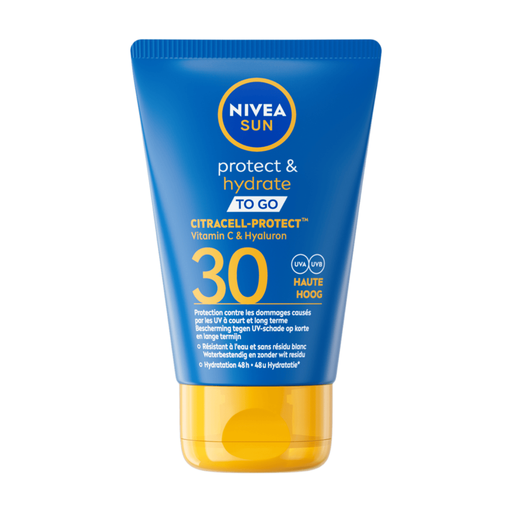
Why it suits this profile: The compact size is convenient for a bag, bike ride or short trip. SPF 30 makes this a suitable choice for anyone looking for a lower rating while still wanting UVA/UVB protection.
The small size makes it easier to carry and reapply. Do not expect SPF 50: check the rating before ordering.
50 ml, water-resistant formula according to the product description, and a lightweight texture.
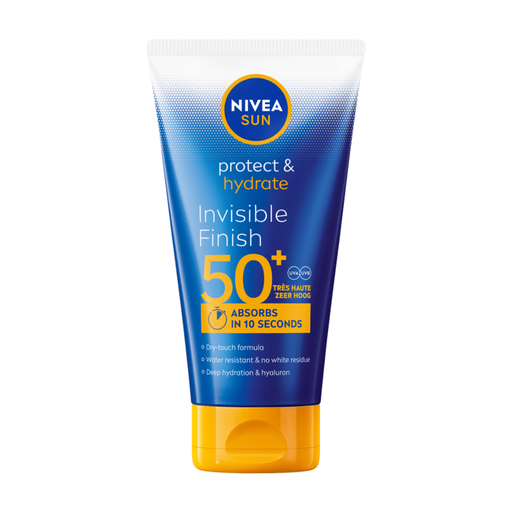
Why it suits this profile: This cream combines SPF 50+, an invisible finish and moisturisation for everyday use on the body. According to the product description, the formula is water-resistant and absorbs quickly.
The SPF rating and product type are clearly stated, so you do not accidentally choose an SPF 30 tanning product when you need a higher level of protection.
SPF 50+, 150 ml, quick absorption according to the product information, and a finish without white residue.
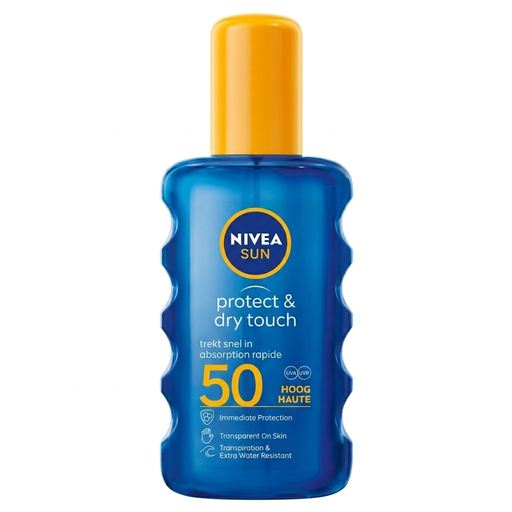
Why it suits this profile: The spray format is well suited to sport, the beach and larger areas of the body. According to the manufacturer, the formula is transparent, sweat-resistant and extra water-resistant.
The transparent finish helps limit visible streaks, but you still need to spray generously and check your skin for missed areas.
SPF 50, 200 ml, transparent spray and water-resistant formula according to the product description.
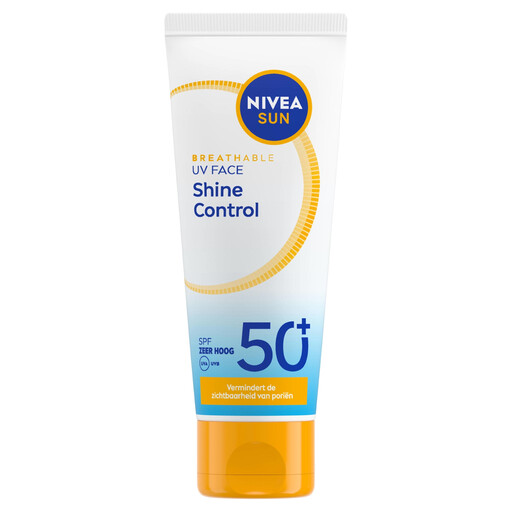
Why it suits this profile: This is a facial sunscreen in a compact pack. According to the manufacturer, the formula has a mattifying effect, an invisible finish and is non-comedogenic.
A formula designed specifically for the face means you do not have to rely solely on a body product when you want a mattifying finish under make-up.
SPF 50, 40 ml, mattifying finish according to the product description, and suitable for use under make-up.
We have put together a complete, up-to-date list of products that fully meet these strict selection criteria and the applicable European safety regulations.
For children, a product with SPF 50+, a compact size and extra water resistance is practical. According to the product information, the NIVEA SUN Kids Protect & Hydrate To Go Pocket Size Sun Milk has SPF 50+, a formula described as extra water-resistant and a 50 ml pack. The manufacturer also states that its skin compatibility has been assessed by paediatricians and dermatologists. This is a brand claim; if you have allergies, always check the ingredients and ask a doctor or pharmacist for advice if in doubt.
With sensitive skin, perfume, alcohol and certain preservatives are points to consider. No product is automatically suitable for every skin type. Test a new sunscreen on a small area of skin first and stop using it if irritation occurs.
Reapply after swimming, sweating or drying yourself. Even without these activities, regular reapplication is advisable during prolonged exposure. The level of protection depends on the amount applied and how evenly it is spread.
You can if the packaging indicates that it is suitable and the texture works for your skin. A dedicated facial sunscreen may feel more comfortable under make-up or on shiny skin. Avoid direct contact with the eyes and follow the instructions for use.
Not necessarily. A spray is mainly quicker and easier to distribute. As it is easy to use too little of a mist product, you may actually get through it faster. Choose a cream or milk if you want to control the amount more easily.
