
Vandaag of morgen in huis

Kwaliteit gegarandeerd

Welkomstaanbiedingen ontgrendelen: GRATIS bezorging | Tot 80% korting | Gratis 30 dagen JoyPlus-proefperiode
Download de app
An SPF 50 sunscreen spray might seem straightforward to choose, but the packaging can hide important differences. A light mist is pleasant to use, but it can be applied too thinly. What’s more, a product labelled “water-resistant” won’t stay on indefinitely after swimming, towelling off, or heavy sweating.
Terms like “transparent”, “hydrating” and “for sensitive skin” also deserve a closer look. Always check the full product description, ingredients list and instructions for use. That way, you can avoid buying a sunscreen spray that doesn’t suit your skin, your activities, or your family’s needs.
A transparent sunscreen spray can be appealing because there’s little or no visible white cast. However, that doesn’t mean every bit of skin has received enough product. With a fine mist in particular, it’s hard to see where you’ve already sprayed.
So spray generously and, where needed, spread the product with your hands. For the face, it’s wise to spray into your hands first, unless the instructions explicitly say otherwise.
A water-resistant sunscreen is designed to stay on better during contact with water or perspiration. Even so, the layer diminishes with swimming, towelling off and sweating. Regular reapplication is still essential.
Also pay attention to the difference between SPF 30 and SPF 50. The SPF factor tells you about protection against UVB radiation under standardised conditions. The UVA and UVB protection label is equally important, because UVA radiation penetrates deeper into the skin. So don’t just look at the number on the front.
A product for sensitive skin may be fragrance-free, but it can still contain alcohol, preservatives or certain filters. So check the ingredients and test a new product on a small area of skin first. If irritation occurs, stop using it and follow the instructions on the packaging.
With children, there are extra points to consider. Keep young children out of direct sunlight, use protective clothing and follow the manufacturer’s age recommendation. What’s more, a spray is not intended to be applied directly to a child’s face.
For many adults and families, SPF 50 sun protection is a practical choice for beach days, holidays and prolonged exposure. SPF 50 is not an invitation to stay in the sun longer. Apply enough product and avoid prolonged exposure, especially around the middle of the day.
Alongside SPF, also check whether the packaging mentions UVA protection. A product can have a high SPF and yet perform differently when it comes to UVA protection. The exact labelling can vary by market and packaging; always consult the current product information.
An sunscreen spray with alcohol can dry quickly and feel light, but it may be less comfortable for some users with dry or sensitive skin. A hydrating sunscreen, for example, contains glycerine, hyaluronic acid or other caring ingredients. According to the product description of NIVEA Protect & Hydrate, vitamin C and hyaluronic acid have been added; check the current ingredients list on the packaging.
If you want to avoid fragrance, look for a fragrance-free formula. The NIVEA SUN Sensitive Immediate Protect Spray SPF 50+ and the NIVEA SUN Babies & Kids Sensitive Spray SPF 50+ are listed as fragrance-free in the product information. That doesn’t automatically make them suitable for everyone: individual sensitivity remains the deciding factor.
A pack size of 180 to 200 ml is handy for the body, but usage is higher than many buyers expect. Adults need a generous amount per application. The Vision SPF 50 Spray, for example, states approximately 35 ml per application for an adult. Always follow the manufacturer’s instructions.
Generally, apply sunscreen 15 to 20 minutes before exposure, if stated on the packaging. Reapply regularly, for example after swimming, towelling off or sweating. A spray for face and body must clearly indicate which parts of the body it is suitable for.
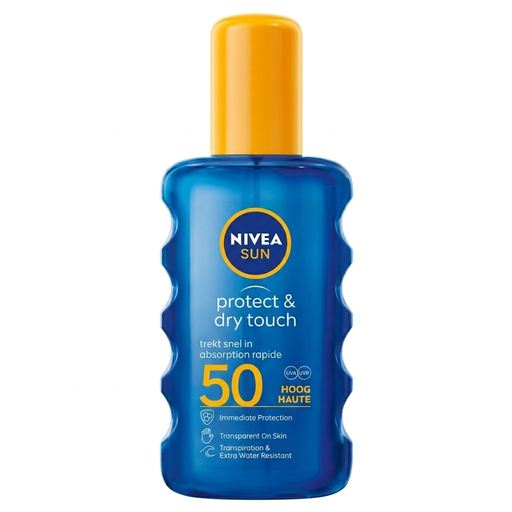
Why this fits the profile: A 200 ml spray with a transparent formula for daily use, outings and sport. The product description mentions fast absorption and a water-resistant formula.
The transparent formula makes missed white streaks less likely, but even distribution and reapplication are still essential.
SPF 50, 200 ml, transparent spray and, according to the product information, water-resistant.
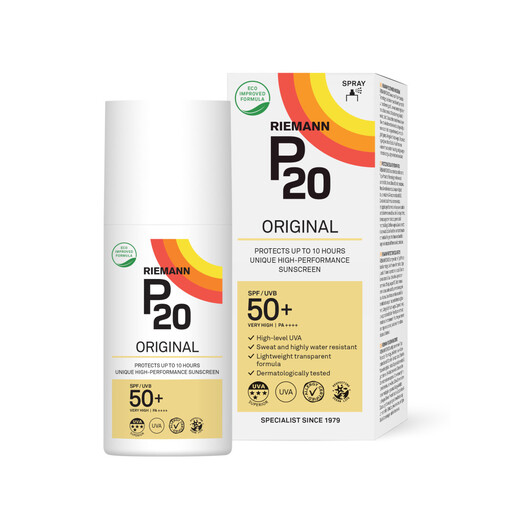
Why this fits the profile: Aimed at users looking for an SPF 50+ spray for longer days outdoors and who are willing to follow the instructions carefully.
The instructions recommend generous and even application, waiting 15 minutes, and reapplying after towelling off or heavy sweating. The product contains alcohol and is flammable; do not use near sources of heat.
SPF 50+, 175 ml and a product description with UVA and UVB protection.
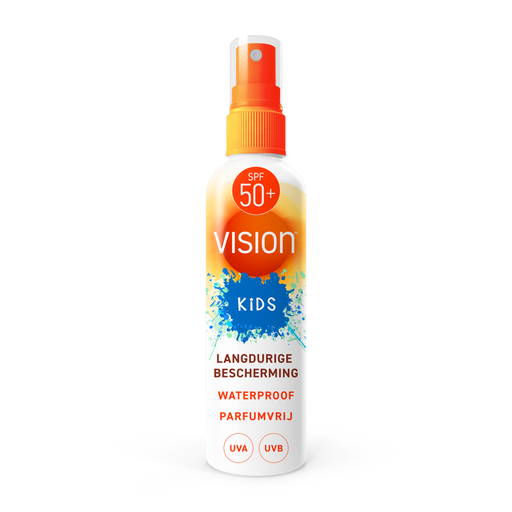
Why this fits the profile: The coloured formula can help parents see where product has been applied. According to the product information, the spray is intended for children and adults.
The visible colour helps you check coverage. The manufacturer advises reapplying after swimming, towelling off or sweating; using less product reduces the stated protection.
SPF 50, 180 ml, UVA and UVB protection and clear usage warnings.
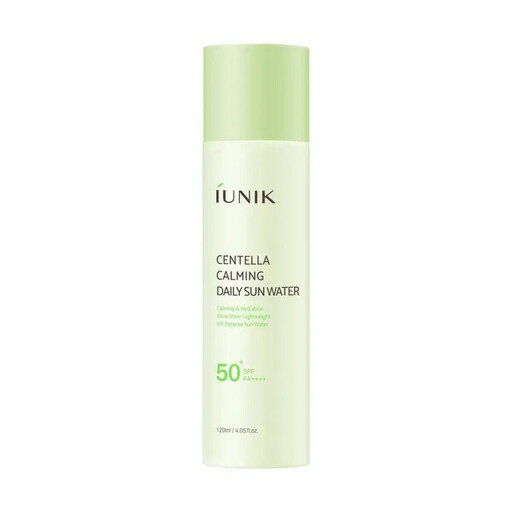
Why this fits the profile: This light sunwater formula is, according to the product description, intended for daily use on the face and suits users who don’t want a heavy or sticky feel.
The product information states that this formula is not water-resistant. This makes the choice clearer: use it for daily wear, not as your primary spray for swimming or intensive sport.
SPF 50+ PA++++, 120 ml, light texture and, according to the product description, free from fragrance and parabens.
We’ve put together a full, up-to-date list of products that fully meet these strict selection criteria and comply with current European safety regulations.
Apply enough to fully cover the skin. The exact amount varies by product. Vision states in its product information approximately 35 ml per application for an adult. A fine mist can be misleading: several short sprays don’t automatically mean you’ve applied enough.
That depends on the product instructions. Some sprays are suitable for face and body, while others are intended for the body only. Do not spray an aerosol directly onto the face or near the eyes. Apply the product to your hands first and then gently spread it.
Follow the instructions on the packaging and reapply after swimming, towelling off or sweating. Even without contact with water, regular top-ups are wise during prolonged exposure. No SPF makes staying in direct sunlight for long periods sensible without additional protection. Combine sunscreen with clothing, a hat or cap, and shade.
