
Vandaag of morgen in huis

Kwaliteit gegarandeerd

Welkomstaanbiedingen ontgrendelen: GRATIS bezorging | Tot 80% korting | Gratis 30 dagen JoyPlus-proefperiode
Download de app
An SPF 50 sunscreen spray might seem simple to choose: high factor, spray nozzle, and you’re done. In reality, sprays vary significantly in protection, ease of use, and suitability for your skin type or activity. A transparent sunscreen spray can be pleasant to apply, but it’s harder to tell if you’ve used too little product. What’s more, a water-resistant sunscreen won’t stay on indefinitely after swimming, towel-drying, or heavy sweating.
The following pitfalls are common:
SPF 50 refers to protection mainly against UVB radiation, the type that contributes to redness and sunburn. Also look for the mention of UVA and UVB protection or the UVA symbol on the packaging. UVA radiation penetrates deeper and is present even on cloudy days.
SPF 50 is a practical choice for:
An SPF 30 can be suitable for less intense exposure, but if you’re specifically looking for an SPF 50 sunscreen spray, it’s worth comparing SPF 50 or SPF 50+ variants directly.
The protection factor on the packaging is based on a sufficiently thick layer. A fine mist that’s immediately rubbed in can, in practice, be too little. So spray calmly and distribute the product carefully over your body sunscreen.
Keep these points in mind:
A fast-drying sunscreen can feel comfortable, but quick absorption says nothing about how much you’ve applied.
If you’re looking for a sunscreen for sensitive skin, you can look for a fragrance-free sunscreen and check the ingredients list beforehand. Fragrance-free doesn’t mean every skin type will automatically react well to the product. If in doubt, test a small amount first.
For sport and the beach, water and sweat resistance are relevant. For daily use, a lighter, transparent formula can be more pleasant. Also watch out for alcohol, fragrance, and other ingredients you’ve reacted to before.
For children, a product with a clear age indication is important. Babies and young children should also be kept out of direct sunlight and wear protective clothing. A spray for children usually needs to be sprayed into your hands first and then applied.
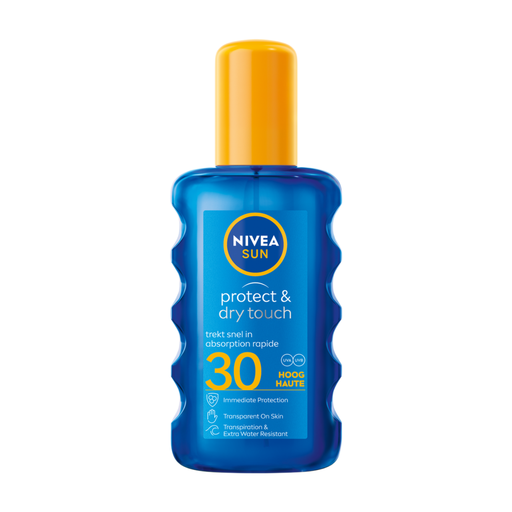
Why this fits the profile: For daily use where a transparent, fast-absorbing spray is more important than SPF 50. The content is 200 ml and the product description mentions a water-resistant formula.
The transparent formula helps reduce white streaks, but requires extra care when spreading because the spray is less visible.
SPF 30, 200 ml, transparent spray and, according to the product information, water-resistant.
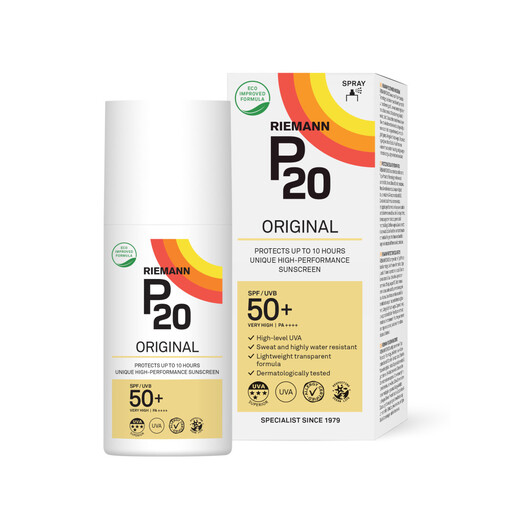
Why this fits the profile: An option for adults looking for SPF 50+ and a spray format for long days outdoors, for example during cycling, walking, or a trip to the beach.
The instructions for use mention applying generously and evenly, and reapplying after towel-drying or excessive sweating.
SPF 50+, 175 ml and a spray format with instructions for application before sun exposure.
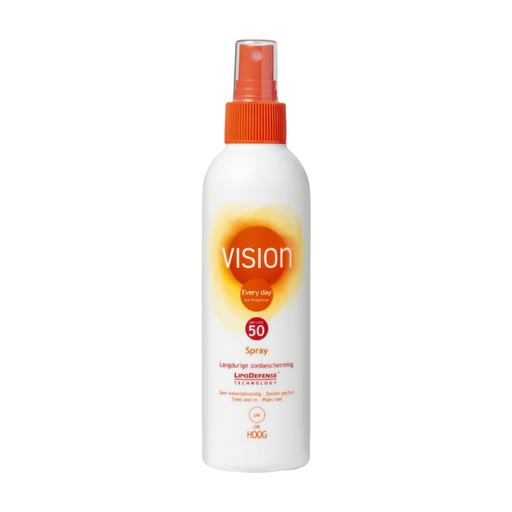
Why this fits the profile: Aimed at adults and children looking for a fragrance-free sunscreen with high water resistance for sport and outdoor activities.
The product description mentions fragrance-free and very water-resistant, but reapplying after swimming, sweating, or towel-drying remains necessary.
SPF 50, fragrance-free formula, UVA and UVB protection and 180 ml content according to the product data.
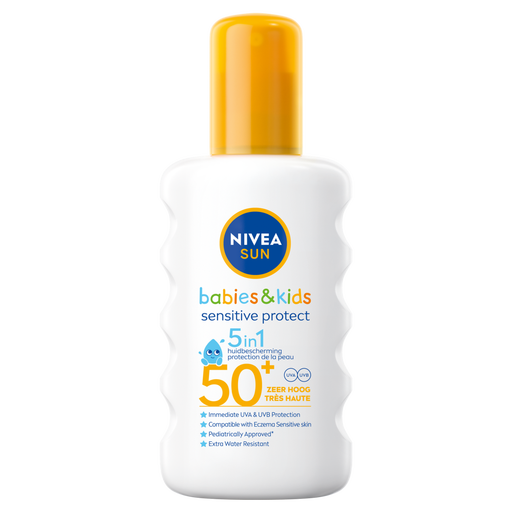
Why this fits the profile: According to the product information, developed for babies and children from 6 months, with a fragrance-free formula and extra water resistance.
The instructions warn not to spray directly onto the face. Spraying into your hands first helps limit contact with eyes.
SPF 50+, fragrance-free, UVA and UVB protection and extra water resistance according to the product description.
We’ve put together a full, up-to-date list of products that fully meet these strict selection criteria and comply with current European safety regulations.
The duration of protection depends on the amount applied, your skin type, sun intensity, and activity. No water-resistant sunscreen stays on indefinitely. Reapply after swimming, towel-drying, or sweating, and follow the instructions on the packaging.
This varies by product. Where possible, spray into your hands first and then apply to the face. Avoid eyes, mouth, and inhalation. Always check whether the manufacturer states the product is suitable for the face.
Fragrance-free can be a logical choice if you want to avoid fragrance. It’s not a guarantee that a product is suitable for every sensitive skin type. Check the ingredients list, follow the warnings, and stop if irritation occurs. If symptoms persist, seek medical advice.
