
Vandaag of morgen in huis

Kwaliteit gegarandeerd

Welkomstaanbiedingen ontgrendelen: GRATIS bezorging | Tot 80% korting | Gratis 30 dagen JoyPlus-proefperiode
Download de app
An SPF 50 sunscreen spray is a practical choice for holidays, sport and daily use. You can quickly distribute the formula over your arms, legs and torso without having to scoop out a thick cream from a pot. However, a spray isn't automatically the right option. Using too little product, choosing the wrong protection factor, or picking a formula that doesn't suit your skin can mean your purchase ends up being less useful than you'd hoped.
Here are the most common pitfalls and key points to check before you buy a sunscreen spray.
A transparent sunscreen leaves little to no white residue. That's great for different skin tones and when wearing sportswear, but it also makes it harder to see which areas you've already applied. So, spray in sections and rub the sunscreen spray in thoroughly.
With an aerosol or mist, some product can end up missing your skin, especially on a windy day. For the face, spraying directly is generally not a good technique. Instead, spray the formula into your hands first and then apply it, as recommended with the NIVEA SUN Babies & Kids Sensitive Spray.
A water-resistant sunscreen is designed to stay on the skin better after contact with water or sweat. No spray makes reapplication unnecessary. Swimming, towel-drying and intense exercise all reduce the layer you've applied.
So, don't just check for the word "water-resistant"; also read the usage instructions. Many products advise applying generously before sun exposure and reapplying after swimming, sweating or towel-drying.
SPF 50 or SPF 50+ sunscreen only provides protection under test conditions when you use enough product. A fine mist feels light, but it can result in using too little. The Vision SPF50 Spray, for example, mentions a guideline of 35 ml per application for an adult.
An SPF 30 sunscreen can be suitable for some daily situations, while SPF 50 or SPF 50+ is more logical for fair skin, strong sun, long days outdoors or children. Always consider your full usage scenario rather than just looking for the highest number on the packaging.
SPF mainly refers to protection against UVB radiation. Also check whether the product mentions UVA and UVB protection. UVA and UVB radiation have different properties, so an SPF number alone doesn't give you the full picture.
For daily use on the face, a light formula can be pleasant. For swimming, walking or cycling, a combination of sufficient SPF, broad UVA/UVB protection and regular reapplication is most important.
If you react quickly to cosmetics, you can look for fragrance-free sunscreen. Pay attention to the ingredients list on the packaging; formulas can change. The Vision SPF50 Spray is described in the product information as 100% fragrance-free. The NIVEA SUN Sensitive Immediate Protect Spray SPF50+ is also described as fragrance-free.
"For sensitive skin" is no guarantee that every ingredient will suit everyone. If in doubt, first test a small amount on a limited area and stop if irritation occurs. For babies and children from 6 months old, age recommendations, instructions and protective clothing are at least as important as the spray itself. Keep young children out of direct sunlight.
A pump dispenser, mist or transparent spray doesn't feel the same. A fast-absorbing sunscreen spray can be practical during sport, but an alcohol-based aerosol can be flammable and must not be used near a fire or heat source. So, check the warnings.
For the face, a product like iUNIK Centella Calming Daily Sunwater SPF 50+ PA++++ is intended for daily use according to the product information, but this formula is not water-resistant. For swimming, a different choice would be more logical. So, look at the combination of texture, application and water resistance.
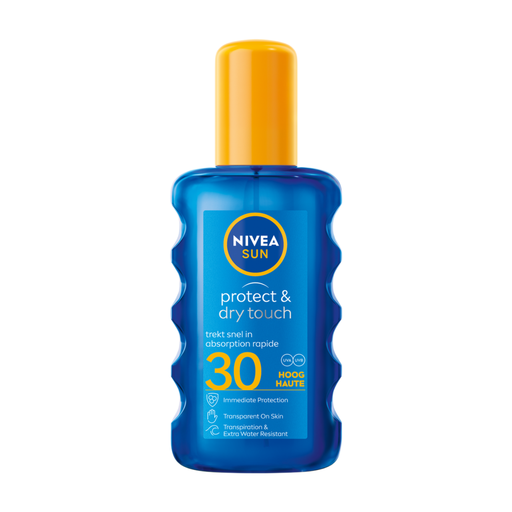
Why this fits the profile: A 200 ml spray for anyone looking for a light formula with SPF 30 for daily use and normal outdoor activities.
According to the product information, the spray is transparent, water-resistant and fast-absorbing. The SPF 30 is clearly stated, so you can match the protection factor to your use.
200 ml content, transparent formula, UVA/UVB protection according to the product description and suitable for use during sport.
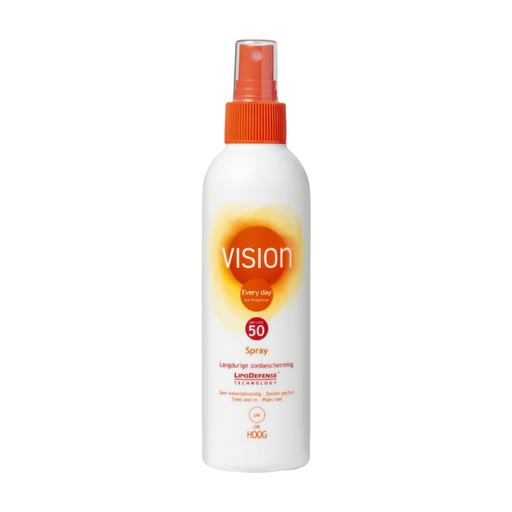
Why this fits the profile: An option for adults and children looking for SPF 50, fragrance-free use and a non-sticky spray for face and body.
The product information mentions a clear guideline of 35 ml per application for an adult. This helps to limit the problem of applying too little sunscreen.
SPF 50, 180 ml, 100% fragrance-free according to the product description, fast-absorbing and very water-resistant according to the brand.
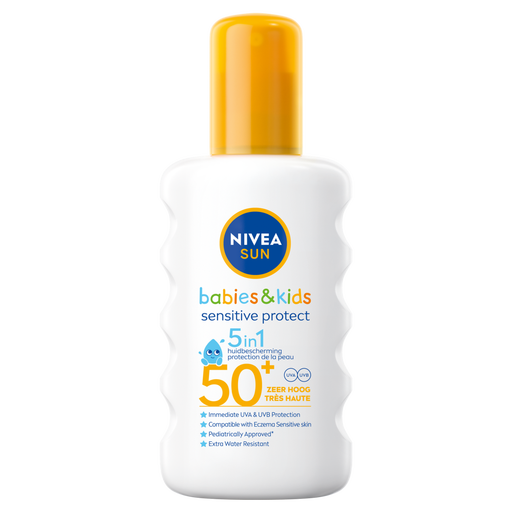
Why this fits the profile: Aimed at families with children from 6 months old who are looking for a fragrance-free SPF 50+ spray for sensitive skin.
The usage instructions state that you should not spray directly onto the face. They also mention reapplying after swimming, towel-drying or sweating, and protection from direct sunlight.
SPF 50+, fragrance-free according to the product description, extra water-resistant and with stated UVA/UVB protection.
We've put together a full, up-to-date list of products that fully meet these strict selection criteria and comply with current European safety regulations.
Yes, SPF 50 can be used daily when you're outdoors a lot or want a higher level of protection. The factor doesn't replace clothing, shade or avoiding the strong midday sun. Apply enough and repeat regularly.
Reapply the spray after swimming, sport, heavy sweating and towel-drying. Even without these activities, it's wise to reapply during prolonged exposure. Always follow the instructions on the packaging.
That depends on the product instructions. Do not spray directly onto the face or near the eyes. Apply the product to your hands first. For dry, oily or sensitive facial skin, a separate face sunscreen with a suitable texture may be more comfortable.
