
Vandaag of morgen in huis

Kwaliteit gegarandeerd

Welkomstaanbiedingen ontgrendelen: GRATIS bezorging | Tot 80% korting | Gratis 30 dagen JoyPlus-proefperiode
Download de app
An SPF 50 sunscreen spray might seem straightforward to pick, but packaging often focuses on terms like “transparent”, “waterproof” or “hydrating”. That doesn’t automatically tell you whether a product suits your skin, your activity or your family. The key differences lie in the protection factor, the formula, how you apply it and the usage instructions.
For adults, families and sports enthusiasts in the UK, three common pitfalls are particularly relevant.
SPF refers to protection against UVB rays, which contribute to sunburn. A product with SPF 50 offers a higher protection category according to product classification than an SPF 30 sunscreen spray. However, SPF is not a reason to stay in direct sunlight for longer.
Also check whether the packaging mentions UVA and UVB protection. UVA rays penetrate deeper into the skin; UVB is more strongly linked to redness and burning. The product information for the selected sprays mentions both types of protection. Always follow the usage instructions and avoid prolonged exposure to strong sunlight.
A water-resistant sunscreen is practical for swimming or sport, but the label has its limits. No product stays completely intact after swimming, towel-drying or heavy sweating. Therefore, reapply:
Do not spray directly onto the face. Spray into your hands first and then spread the product over your face. This is especially important with a sunscreen for children.
A transparent formula can help reduce white marks. A transparent sunscreen spray is therefore handy for arms, legs and shoulders, especially when you want to apply it quickly. A light formula can be pleasant for walking or cycling, while a hydrating version is better suited to dry skin.
For sensitive skin, look for terms like fragrance-free sunscreen and check the ingredients. “Fragrance-free” doesn’t mean every user will tolerate the product without issue. If in doubt, test it on a small area of skin first and stop if irritation occurs. Claims about suitability for sensitive skin, water resistance or hydration are based on the product information from the relevant brand; always check the current packaging.
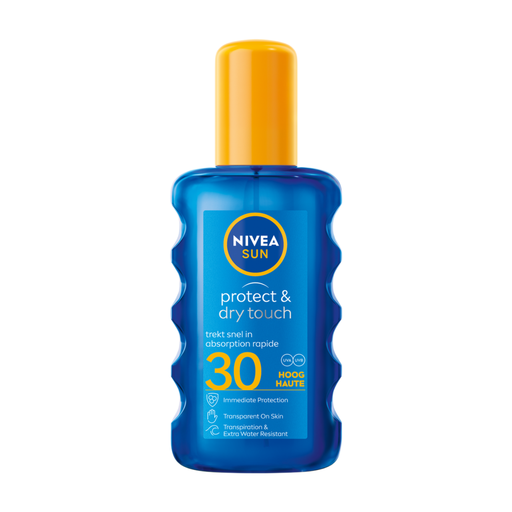
Why this fits the profile: This 200 ml sunscreen spray is designed for daily use by adults who want a transparent, fast-absorbing formula without white marks.
The product description mentions a transparent and water-resistant formula. The stated SPF is 30, so do not choose this if SPF 50 is a firm requirement.
200 ml content, transparent spray, water-resistant formula and, according to the product description, suitable for sport.
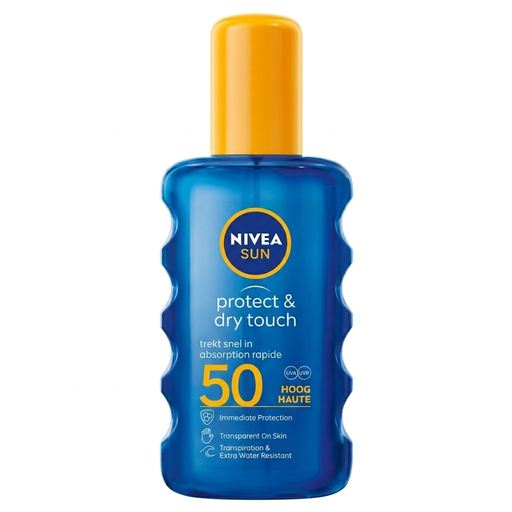
Why this fits the profile: A logical choice if you want to combine SPF 50, a transparent finish and a light spray for the body.
The product details state SPF 50, UVA/UVB protection and water resistance. Reapplication is still necessary after swimming, towel-drying or sweating.
SPF 50, fast-absorbing transparent formula, 200 ml content and, according to the product description, suitable for sport.
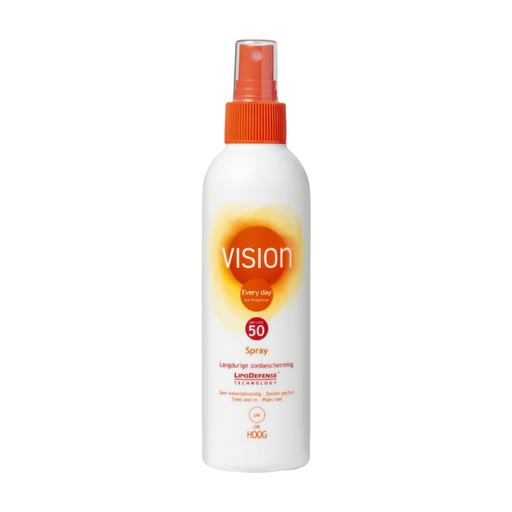
Why this fits the profile: According to the product description, this spray is intended for body and face, for adults and children, with a fragrance-free formula.
The product information states 100% fragrance-free and highly water-resistant. This makes it relevant for users who want to check these specific features in advance.
SPF 50, fragrance-free formula, water resistance and fast absorption according to the product description. Content: 180 ml.
We’ve put together a full, up-to-date list of products that fully meet these strict selection criteria and comply with current European safety regulations.
If you’re looking for a sunscreen for sensitive skin, you can look for a fragrance-free formula and a short, clear ingredients list. The NIVEA SUN Sensitive Immediate Protect Spray SPF 50+ states, according to the product description, that it is fragrance-free, water-resistant and intended for sensitive skin.
Extra caution is needed for babies and young children. The NIVEA SUN Babies & Kids Sensitive Spray SPF 50+ is offered, according to the product information, for children from 6 months old. The spray should not be applied directly to the face. Babies and young children should also be kept out of direct sunlight and protected with clothing, shade and a suitable sunscreen. Check the age indication on the packaging before you order.
It can be, as long as the product is intended for the relevant body part and you apply enough. A sunscreen for the body is not automatically the most comfortable choice for the face. Avoid contact with the eyes and follow the instructions on the packaging.
Check the expiry information or the symbol on the packaging. Store the spray in a cool, dry place away from direct sunlight. Heat can affect the packaging and the formula. Do not use a product whose smell, colour or texture has clearly changed.
A hydrating sunscreen can, according to the product description, contribute to a comfortable skin feel. However, it doesn’t always replace a separate moisturiser. The NIVEA SUN Protect & Hydrate sprays mention hydration; check the current packaging and ingredients before making a choice.
