
Vandaag of morgen in huis

Kwaliteit gegarandeerd

Welkomstaanbiedingen ontgrendelen: GRATIS bezorging | Tot 80% korting | Gratis 30 dagen JoyPlus-proefperiode
Download de app
SPF 50 sunscreen is a sensible choice when you spend a lot of time outdoors, have fair skin or want to pay extra attention to daily UVA and UVB protection. However, the number on the front does not tell you everything. A product may sound appealing because of terms such as “invisible”, “hydrating” or “water-resistant”, while its texture, ingredients or instructions may be less suited to your routine.
The main pitfalls when buying SPF 50 sunscreen are:
SPF 50 or SPF 50+ indicates that the product offers a high level of protection against UVB radiation when applied generously. Also look for a UVA protection statement, such as a UVA logo or broad-spectrum indication. UVA radiation plays a role in discolouration and premature skin ageing.
Sunscreen for pigmentation does not replace other skincare. Regular protection can, however, help to limit exposure to UV radiation. Claims about reducing existing pigmentation should be read as brand claims. According to the product description, for example, NIVEA uses Luminous630 in the Luminous Anti-Spot formula; this is information from the brand and is not a guarantee of the same results for every user.
If you are looking for sunscreen for everyday use, you will often apply it under make-up or alongside a moisturiser. A fast-absorbing formula without a white cast can be more practical in this situation. For dry skin, a hydrating sunscreen containing glycerine or hyaluronic acid may feel comfortable. If you have sensitive skin, it is sensible to check the ingredients list for perfume and fragrances.
A sunscreen without a white cast is not automatically suitable for everyone. If in doubt, test a small amount first. Also pay attention to alcohol, perfume and plant extracts if your skin has reacted to them before.
For days at the beach, cycling, walking or exercising, a water-resistant sunscreen is useful. This indication does not mean that you retain unlimited protection in water. Reapply after swimming, sweating and drying yourself.
For the body, 150 to 200 ml is practical for regular use. A 12 to 50 ml mini sunscreen is better suited to a bag or hand luggage, but will run out more quickly when applied generously. A small size can be useful for children when you are out and about, provided you also have enough product available at home.
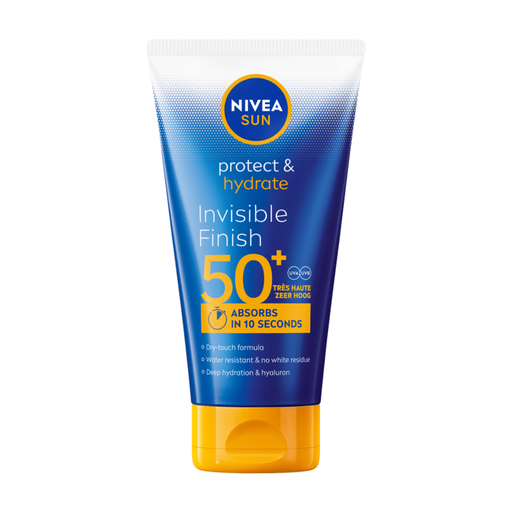
Why it suits this profile: The 150 ml bottle is suitable for everyday use on the face and body. According to the product description, the dry-touch formula is quickly absorbed and designed not to leave white residue.
The product information mentions both SPF 50+ and water resistance. Still, check the label and reapply after contact with water or drying yourself.
SPF 50+, 150 ml, water-resistant formula, with glycerine, sodium hyaluronate and vitamin E in the ingredients list.
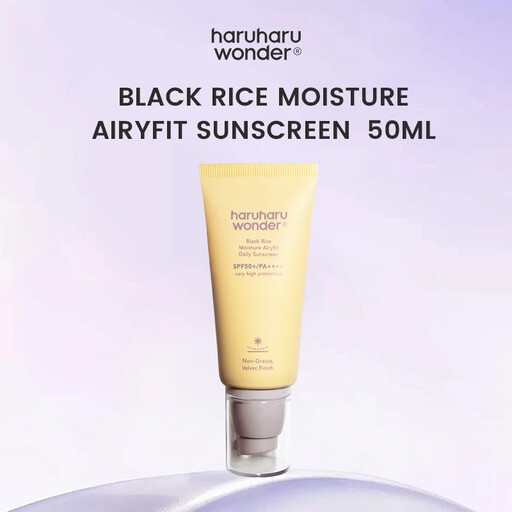
Why it suits this profile: This SPF 50+ facial sunscreen is designed for everyday use and, according to the product information, has a lightweight, non-greasy texture without a white cast. The 50 ml size is well suited to a consistent morning routine.
The product description explicitly mentions SPF 50+, PA++++ and a finish without a white cast. The product is not labelled as water-resistant, so choose a different formula for swimming.
SPF 50+, PA++++, 50 ml, niacinamide, glycerine and ceramide NP according to the listed ingredients.
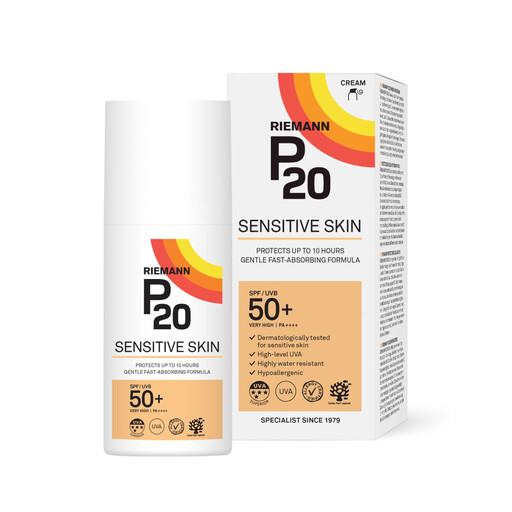
Why it suits this profile: The 200 ml lotion is intended for users who need a lot of product, for example during holidays, long bike rides or active days outdoors.
The usage information emphasises applying generously and evenly, then reapplying after drying yourself or heavy sweating. This makes it less tempting to rely solely on a marketing claim about long-lasting protection.
SPF 50+, 200 ml, glycerine in the formula and clear instructions for repeated application.
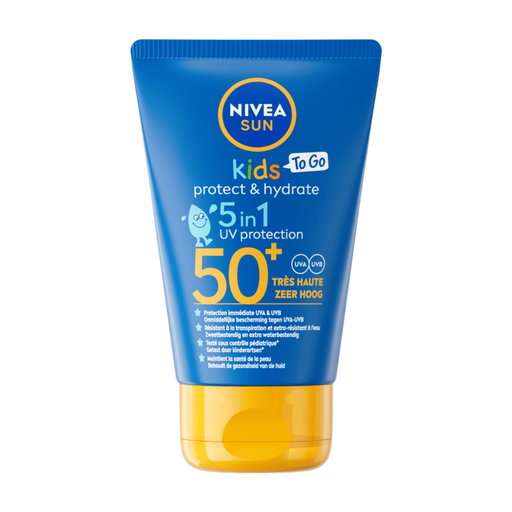
Why it suits this profile: The 50 ml mini size fits in a coat pocket, changing bag or rucksack. The product description mentions extra water resistance and a formula containing panthenol, vitamin C and vitamin E.
The compact size makes topping up easier when you are out and about. “Extra water-resistant” still means, according to the usage guidance, that you need to reapply after swimming and drying yourself.
SPF 50+, 50 ml, suitable for children according to the product description and an extra water-resistant formula.
Apply sunscreen generously before going outdoors. Do not forget your ears, neck, hands, feet and your hair parting. For the face, a separate product is often more convenient, as it is usually developed with a lighter texture and a smaller size.
Bear the following points in mind:
We have compiled a complete, up-to-date list of products that fully meet these strict selection criteria and the applicable European safety regulations.
Yes, SPF 50 can be used every day when you are regularly exposed to daylight. For the face, preferably choose a formula that feels comfortable under make-up. For longer outdoor activities, applying a generous amount and reapplying regularly are more important than the SPF value alone.
Reapply after swimming, sweating and drying yourself. Regularly topping up is advisable during prolonged outdoor exposure. Always follow the instructions on the packaging, as the required frequency depends on activity, contact with water and duration of exposure.
Facial sunscreen is often lighter, more compact and tailored to everyday use. Body lotion is usually available in a larger size and may have a richer texture. If you have sensitive skin, check the ingredients list for both types and choose a product without ingredients you have reacted to before.
