
Vandaag of morgen in huis

Kwaliteit gegarandeerd

Welkomstaanbiedingen ontgrendelen: GRATIS bezorging | Tot 80% korting | Gratis 30 dagen JoyPlus-proefperiode
Download de app
A high protection factor alone doesn't define a sun product. Focusing solely on the SPF 50 number can lead you to purchase a lotion that's too small for daily use, difficult to apply evenly, or unsuitable for your skin type and activity. This often results in unnecessary costs and inadequate protection.
SPF 50 offers high protection against UVB radiation, but not complete protection against all UV radiation. Therefore, always check if the product specifies UVA and UVB protection. Additionally, do not stay in the sun longer just because the factor is high. Avoid strong midday sun, wear protective clothing, and keep young children out of direct sunlight.
A thin layer of SPF 50 sunscreen significantly reduces protection. Apply the product generously and evenly before sun exposure. Don't forget vulnerable areas like ears, nose, shoulders, neck, hands, insteps, and the hair parting. Reapply regularly, especially after swimming, sweating, or towel drying.
Words like "waterproof," "hydrating," or "suitable for sensitive skin" should always be read in conjunction with the product information. Water resistance does not mean reapplication is unnecessary. Also consider the size, ingredients, application area, and any fragrances. For sensitive skin, a patch test is advisable. Discontinue use if irritation occurs.
For daily use in the Netherlands, the required factor can vary by skin type, season, and exposure. Those specifically looking for sunscreen for the face or a product for children often choose SPF 50 for its desired high protection. Besides the SPF rating, check whether the product is intended for the face, body, or both.
A facial product often comes in a smaller package with a texture that can work under makeup. For arms, legs, and shoulders, a larger sunscreen lotion or spray is more practical. A body product is not automatically suitable for use around the eyes.
Creams, lotions, and sprays each have practical differences:
A 50 ml package is handy for a handbag or facial routine. For a family, beach day, or sports holiday, 150 to 200 ml is usually more practical.
For swimming or sports, a waterproof sunscreen or water-resistant formula is useful. However, you must reapply after swimming, towel drying, and heavy sweating. For sunscreen for sensitive skin, check the full ingredient list. Fragrances, alcohol, and certain preservatives may be less suitable for some users.
Claims about skincare should be read with nuance. According to NIVEA's own research, some Protect & Hydrate products keep the skin hydrated for up to 48 hours; this is a brand claim under the stated test conditions and not a guarantee for every user. Plant extracts or nourishing ingredients also do not make a sun product a medical product.
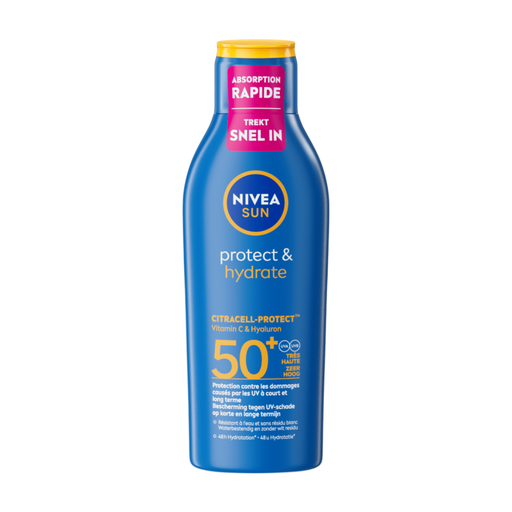
Why this fits the profile: The 200 ml package is practical for daily use on face and body and for family outings.
The SPF 50+ rating is combined with information on UVA/UVB protection and reapplication; a high factor is therefore not the only selection criterion.
200 ml content, SPF 50+, lotion texture, and according to the product description, water-resistant.
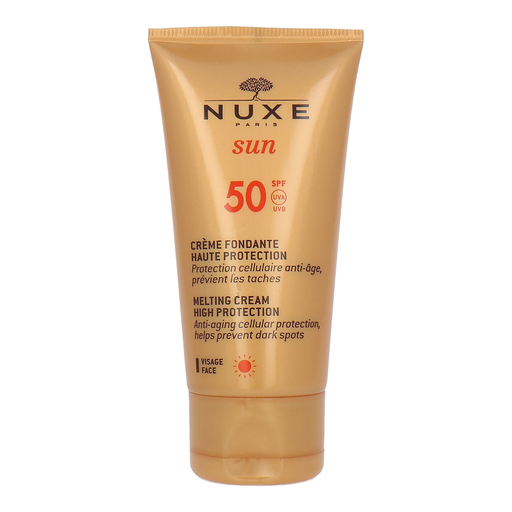
Why this fits the profile: This compact face cream is intended for adults and all skin types and fits into a fixed morning routine.
The application is clearly defined as the face. This prevents you from using a large body package around the eyes and allows you to better adjust the amount.
50 ml tube, SPF 50+, UVA and UVB protection, and a cream formula for the face.
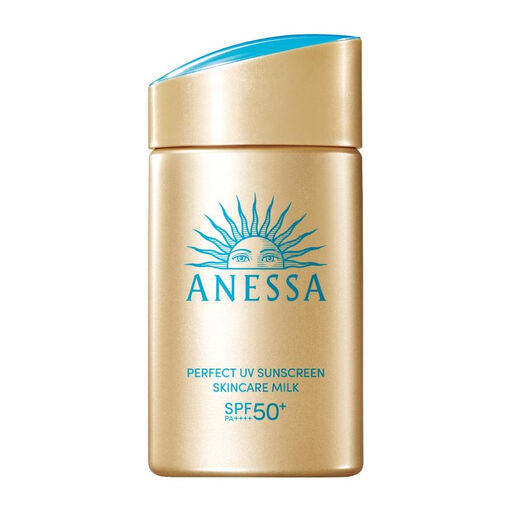
Why this fits the profile: The milk texture and water-resistant product information align with beach days, outdoor sports, and swimming.
The product information mentions 80 minutes of water resistance but also prescribes reapplication. This prevents an overly broad interpretation of "waterproof."
SPF 50+, PA++++, suitable for face and body, and a 60 ml package.
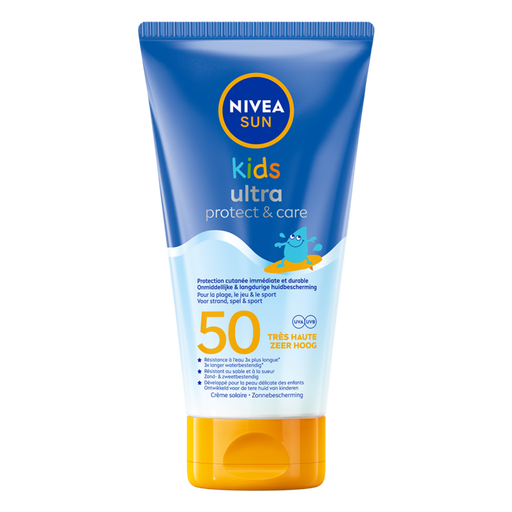
Why this fits the profile: This lotion is developed for children and intended for face and body during play, beach visits, and sports.
The product description mentions resistance to water, sweat, and sand, but also emphasizes reapplication after towel drying or friction.
SPF 50+, 150 ml, UVA/UVB protection, and product information about testing by pediatricians and dermatologists.
We have compiled a complete, up-to-date list of products that fully meet these strict selection criteria and comply with current European safety regulations.
Pay extra attention to children's ears, neck, shoulders, knees, lower legs, and feet. Babies and young children should not be in direct sunlight. If you have a known allergy or persistent irritation, consulting a doctor is advisable.
Yes, as long as the product suits your skin and application. Choose a facial product for the face and a larger lotion for the body. Apply enough and reapply when you are outdoors for a long time, perspire, or dry your skin.
Check the expiration date or the period-after-opening symbol on the package. Store sunscreen in a cool place out of direct sunlight. Do not use a product that has significantly changed in smell, color, or texture.
Sunscreen for the face is usually packaged in a smaller size and has a texture intended for finer application. Sunscreen for the body is often supplied as a lotion, milk, or spray in a larger package. Always check the indicated application areas and avoid contact with the eyes.
