
Vandaag of morgen in huis

Kwaliteit gegarandeerd

Welkomstaanbiedingen ontgrendelen: GRATIS bezorging | Tot 80% korting | Gratis 30 dagen JoyPlus-proefperiode
Download de app
At first glance, choosing an SPF 50 sunscreen seems straightforward. Yet shoppers regularly pay for features that don't actually suit how they'll use it. A spray might feel quick to apply, but can go on too thinly. What's more, a product labelled "waterproof" still needs to be reapplied after swimming, towel-drying or heavy sweating.
As Joybuy's Product Recommendation Officer, I filter the most important product information based on verifiable specifications. That way, you can see which sunscreen suits daily use, a day at the beach, sport or winter conditions.
SPF mainly refers to protection against UVB rays, which are linked to skin reddening, among other things. So always check whether the product mentions UVA and UVB protection. A higher SPF doesn't mean you can stay in the sun indefinitely.
Even with SPF 50 sunscreen, regular reapplication is essential. Aim to reapply roughly every two hours, and after swimming, towel-drying or sweating. Use enough product: a thin layer reduces protection compared with the amount the SPF rating is based on.
In practice, long-lasting waterproof sunscreen doesn't exist. Products are usually described as water-resistant or extra water-resistant. The duration and test conditions can vary from product to product. So check the packaging and reapply after contact with water or a towel.
For sport, a sport sunscreen with sweat resistance can be handy. That doesn't make reapplication unnecessary, especially when running, cycling or swimming.
A transparent sunscreen spray is described as preventing a white cast, but a spray can be harder to distribute evenly. So spray generously into your hands before applying it to your face, and rub the product in carefully. Avoid inhalation and contact with the eyes.
If you have sensitive skin, it's a good idea to check the ingredients list. Alcohol, fragrance and certain UV filters can feel less pleasant for some people. A small patch test on a limited area of skin can help before you use the product extensively.
SPF 30 sunscreen can work for daily use and less intense exposure, as long as you apply enough and reapply. SPF 50+ sunscreen offers a higher SPF rating and is a logical choice for children, fair skin, long days outdoors, beach holidays or reflection from snow.
The factor doesn't determine which texture you get. A lotion, gel, mist or spray can all have SPF 50. So look beyond the factor at the application: sunscreen for face and body, just for the body, or specifically for children.
Choose a product that clearly states it protects against UVA and UVB. With Japanese sunscreens, you'll often also see a PA rating, such as PA++++. The Anessa, Allie and Fancl products in this selection state SPF50+ and PA++++. Always check the packaging and local product information for the exact usage and current formulation.
The choices below are based on stated SPF, UVA/UVB protection, volume, texture and water or sweat resistance. Brand claims about hydration, biodegradability or skin-friendliness are presented as information from the product description, not as independently verified evidence of effectiveness.
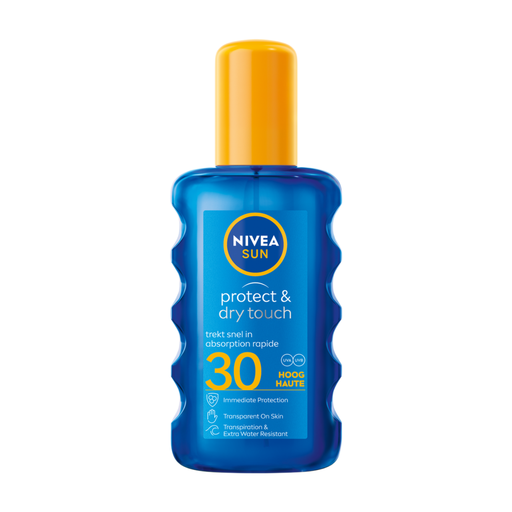
Why this fits the profile: A 200 ml spray for anyone looking for a simple SPF 30 option for daily use and normal outdoor activities.
The product description mentions transparent application and water resistance. Do apply the spray generously and evenly, and repeat after swimming or towel-drying.
SPF 30, 200 ml, transparent spray and, according to the product information, water and sweat resistant.
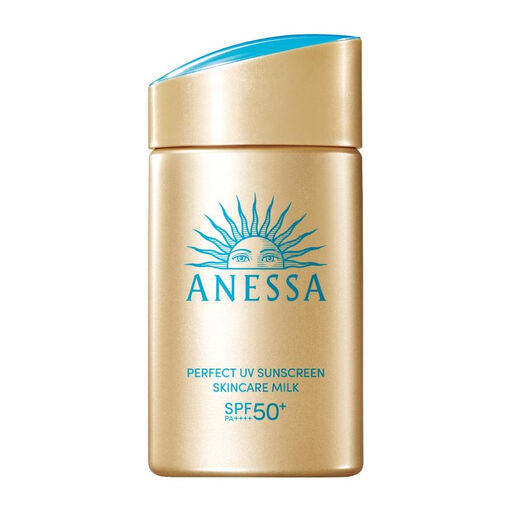
Why this fits the profile: This Japanese sunscreen is suitable for face and body and suits anyone looking for a high SPF and PA rating in a compact size.
The specifications state SPF50+, PA++++ and 80 minutes of water resistance. Reapplication is still necessary after use under the stated conditions.
SPF50+/PA++++, waterproof according to the product information and suitable for face and body.
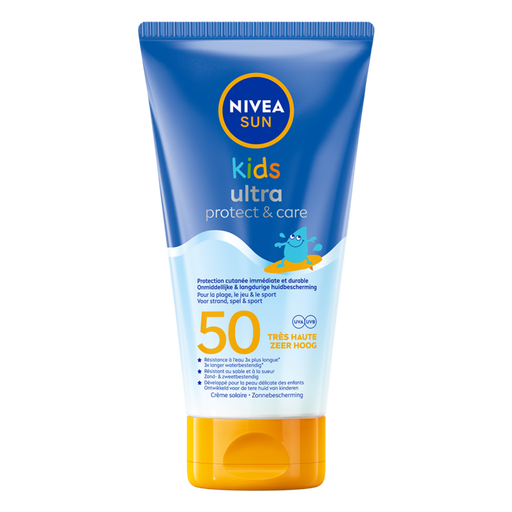
Why this fits the profile: This children's sunscreen is intended for face and body and is suited to beach days, play and sport.
The product information states resistance to water, sweat and sand. This does not replace supervision, clothing, shade or reapplication.
SPF50+, 150 ml and, according to the product description, extra water resistance and resistance to sweat and sand.
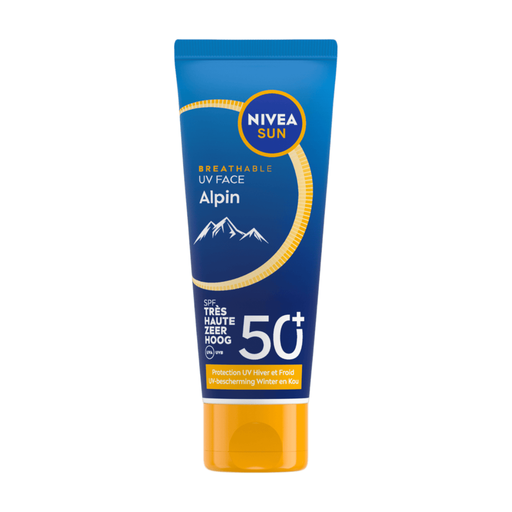
Why this fits the profile: A compact sunscreen for the face when skiing, hiking or doing other activities in cold conditions and snow reflection.
The product description mentions use in cold and winter conditions. The small pack makes it practical to carry and reapply regularly.
SPF50+, PA++++, 50 ml and intended for the face in winter conditions.
We've put together a full, up-to-date list of products that fully meet these strict selection criteria and current European safety regulations.
Reapply sunscreen after roughly two hours and always after swimming, towel-drying or heavy sweating. The water-resistant label does not mean protection is fully maintained after contact with water.
It can be, but preferably choose a product whose application explicitly mentions the face. A face product often has a smaller bottle and a texture that can work better under make-up. Do not spray directly onto the face and avoid contact with the eyes.
Check the expiry information and batch number on the packaging. Store sunscreen in a cool place out of direct sunlight. A product that has been exposed to heat for a long time or has noticeably changed in smell, colour or consistency is best thrown away.
