
Vandaag of morgen in huis

Kwaliteit gegarandeerd

Welkomstaanbiedingen ontgrendelen: GRATIS bezorging | Tot 80% korting | Gratis 30 dagen JoyPlus-proefperiode
Download de app
Choosing SPF 50 sunscreen might seem straightforward at first. Yet many shoppers run into the same problems: a cream that feels sticky, a shiny-looking face or a product that doesn’t apply as well after swimming and towelling off. Terms such as “invisible”, “hydrating” and “for sensitive skin” don’t always tell you enough about what it’s like to use every day.
Use this guide to compare SPF50+ sunscreen based on verifiable features. That way, you can choose more confidently for your face, body, children or outdoor activities.
SPF mainly refers to protection against UVB rays, which can cause redness and sunburn. So check whether the product also states that it offers UVA and UVB protection. UVA rays penetrate deeper into the skin and contribute to long-term skin ageing.
A higher SPF also doesn’t mean you need to apply less product. Applying too little reduces the level of protection you get in practice.
Water-resistant sunscreen is useful when swimming, exercising and sweating, but it doesn’t provide a permanent layer of protection. Towelling off removes some of the product, so reapply after swimming, sweating or drying off, and follow the instructions on the packaging.
A body formula can feel heavy or look shiny on your face. If you wear make-up or have oily skin, look for terms such as mattifying sunscreen, “dry touch”, “non-greasy” or “suitable for facial skin”. Also check the ingredients if you’re sensitive to fragrance, alcohol or certain UV filters.
For everyday use, choose a product with SPF 50 or SPF 50+ if you’re looking for a high level of protection. Also check the UVA marking on the packaging. Apply a generous amount to your face and neck: a thin layer won’t offer the same protection as the amount used to determine the SPF.
As a general rule, apply sunscreen 15 to 30 minutes before exposure, unless the packaging gives different instructions. Reapply about every two hours, and after swimming, exercising or drying off.
A 150 or 200 ml bottle is practical for your body and the whole family. A 40 to 60 ml tube is easier to carry in a bag and is suitable for everyday use on your face. An SPF50 sunscreen stick is handy for topping up on your nose, cheeks, ears and forehead, but apply it carefully in enough layers.
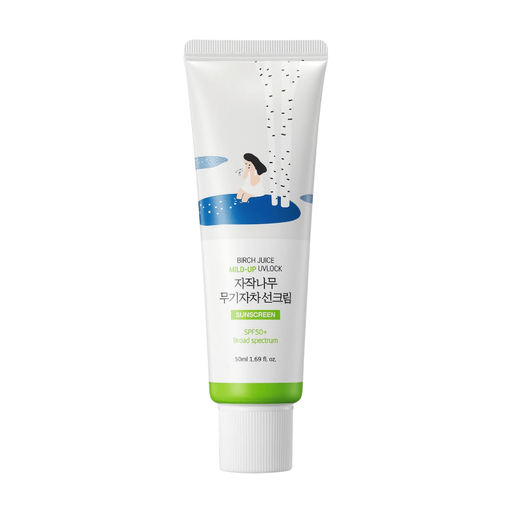
Why it suits this profile: Its compact size is practical for everyday use on your face, neck and ears. The ingredients list includes glycerine, hyaluronic acid and birch sap.
The product information recommends applying generously and reapplying after two hours, swimming, sweating or drying off. This makes it clear how to use it as part of your routine.
50 ml; contains glycerine, sodium hyaluronate and hyaluronic acid, according to the ingredients list.
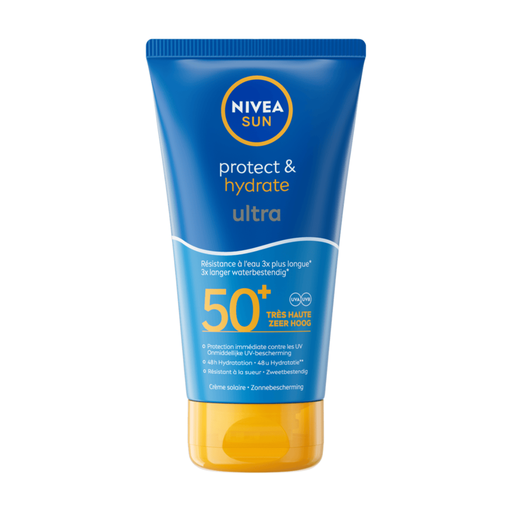
Why it suits this profile: This cream is designed for the body and intensive outdoor activities. According to NIVEA’s own research, the formula is very water-resistant, and the brand says it keeps skin hydrated for up to 48 hours.
The product description says it leaves no white cast and is water- and sweat-resistant. You’ll still need to reapply after drying off.
SPF50+; 150 ml; states that it offers UVA/UVB protection and is water-resistant, and contains glycerine, hyaluronic acid and vitamin E.
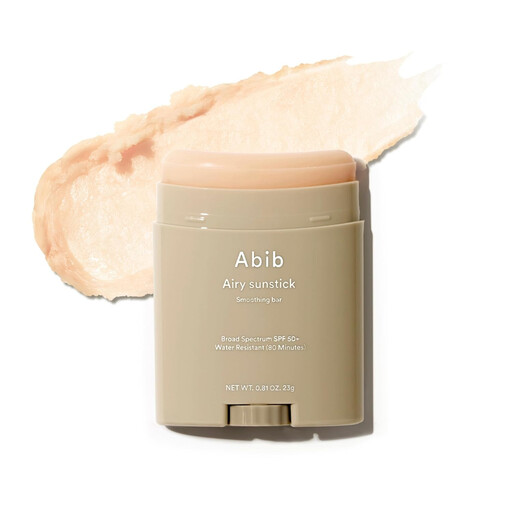
Why it suits this profile: This curved 23 g stick is made for topping up on the go, for example while cycling, walking or spending the day outdoors.
The stick doesn’t rely on a pump or a separate cap, and its packaging is compact. Apply several even strokes to avoid missing any areas.
SPF50+ and PA++++ according to the product information; semi-matte finish and curved design.
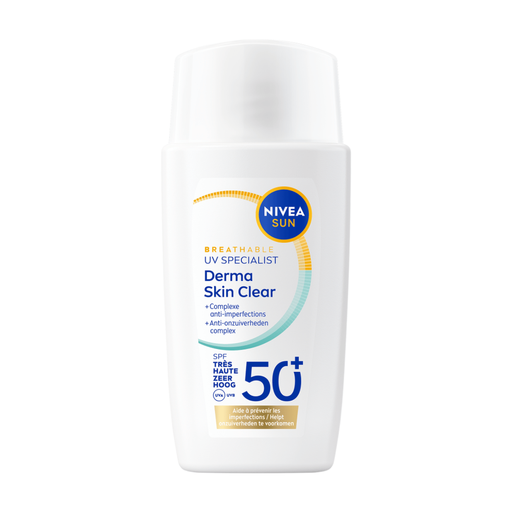
Why it suits this profile: The product description is aimed at normal, oily and blemish-prone skin. It mentions niacinamide, silica and a lightweight fluid texture.
The manufacturer states that it has a mattifying effect and can be worn under make-up. This makes it a good option if you’re looking for SPF50 facial sunscreen that doesn’t feel heavy.
40 ml; SPF50+; the ingredients list mentions niacinamide, glycerine and silica.
We’ve put together a complete, up-to-date list of products that meet these strict selection criteria and current European safety regulations.
Reapply after about two hours, and always after swimming, sweating or drying off. Water-resistant sunscreen reduces how much washes off, but it doesn’t stop protection from decreasing over time or through friction.
Check the expiry date and the symbol on the packaging. Store sunscreen somewhere cool and out of direct sunlight. It’s best not to use a product if its smell or texture has changed, or if it has been left in a hot car for a long time.
A stick is most useful for small or hard-to-reach areas and for topping up on the go. For your whole body, lotion or milk is usually easier to apply generously. Always use enough product and follow the manufacturer’s instructions.
