
Vandaag of morgen in huis

Kwaliteit gegarandeerd

Welkomstaanbiedingen ontgrendelen: GRATIS bezorging | Tot 80% korting | Gratis 30 dagen JoyPlus-proefperiode
Download de app
SPF 50 sunscreen may seem simple to choose at first glance. However, products vary considerably in texture, UVA protection, water resistance and intended use. A sunscreen that feels comfortable on the body may, for example, be too greasy for the face. Likewise, a lightweight SPF 50 facial sunscreen may be less suitable for a long day at the beach or intense exercise.
As a Joybuy Product Recommendation Officer, I filter product information according to verifiable features. This helps ensure that you are not simply paying for terms such as “invisible finish”, “anti-ageing” or “24-hour hydration” without checking what you actually need.
SPF 50 or SPF 50+ only provides the stated level of protection when you use enough product. People often apply too little to the face, ears and neck. As a result, the actual protection is lower than the level stated on the label.
Apply plenty of sunscreen before going outside. Reapply regularly, especially after swimming, sweating or drying yourself with a towel. For the body, around 35 ml per application for an adult is often recommended; always check the instructions on the packaging.
SPF mainly refers to protection against UVB radiation, which causes redness and sunburn, among other effects. UVA protection is also important for everyday sun protection. UVA penetrates deeper into the skin and contributes to long-term skin ageing and pigmentation changes.
Look for an explicit mention of UVA and UVB protection, the UVA symbol on the packaging or additional information from the manufacturer. PA++++ is mainly found on Korean and other Asian products. It is an additional UVA classification, but should not be compared directly with every European labelling system.
Water-resistant sunscreen generally stays in place better in water or when you are perspiring than a regular formula. This does not mean you can skip reapplying after swimming. Sand, drying yourself and friction can also reduce the protective layer.
For a day at the beach or outdoor activities, water-resistant SPF 50+ sunscreen is practical. For everyday commuting, a lightweight fluid or mattifying sunscreen may feel more comfortable.
SPF 50 is suitable for consumers looking for a high level of UVB protection. SPF 50+ is used when measured protection exceeds the SPF 50 category. However, the difference in everyday use also depends on the amount applied, even coverage and regular reapplication.
Also check:
Normal or dry skin may benefit from a moisturising sunscreen containing ingredients such as glycerine, panthenol or hyaluronic acid. Oily or blemish-prone skin may prefer a fluid, dry-touch or mattifying sunscreen.
Bear in mind that “non-comedogenic”, “suitable for sensitive skin” and “dermatologically tested” are product characteristics or testing claims. They do not guarantee that every skin type will tolerate the product without problems. If you have sensitive skin, it is sensible to try a small amount first and check the ingredients list.
Facial sunscreen is usually packaged in a smaller size and developed with attention to texture, make-up compatibility and a less greasy feel on the skin. A body product is often more economical per millilitre, but may feel heavy or look shiny on the face.
An anti-ageing sunscreen may contain caring ingredients such as Q10, niacinamide or antioxidants. According to the relevant brand’s own research, such ingredients may contribute to the claimed cosmetic benefits. Consider these claims as additional skincare, not as a replacement for adequate sun protection.
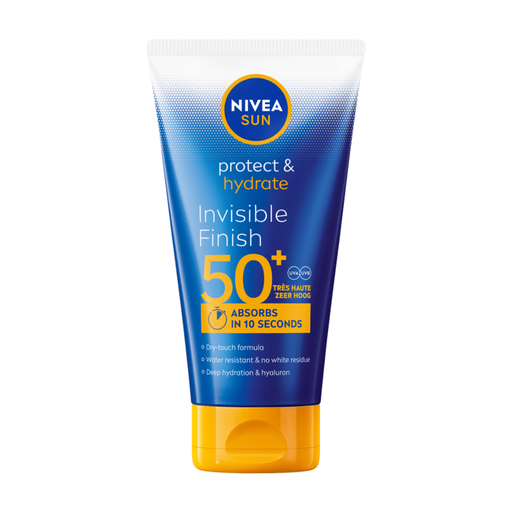
Why it suits this profile: The 150 ml pack is practical for regular use on the body and face. The dry-touch formula is designed for consumers looking for a fast-absorbing sunscreen.
The product information mentions UVA/UVB protection and water resistance. This makes the usage criteria clearer than a standalone SPF claim.
150 ml contents, SPF 50+ and, according to the product description, a formula that leaves no white cast.
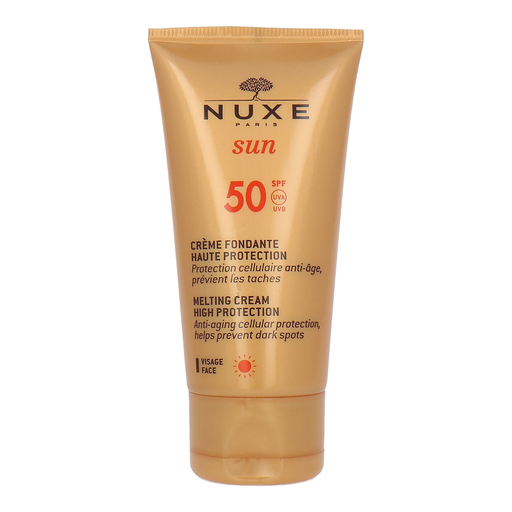
Why it suits this profile: This facial cream is aimed at adults looking for a nourishing cream formula for everyday use on the face.
The product information explicitly mentions use on the face, SPF 50+ and UVA/UVB protection. This makes the intended use clear.
50 ml tube, cream formula and, according to the product details, moisturising and anti-ageing properties.
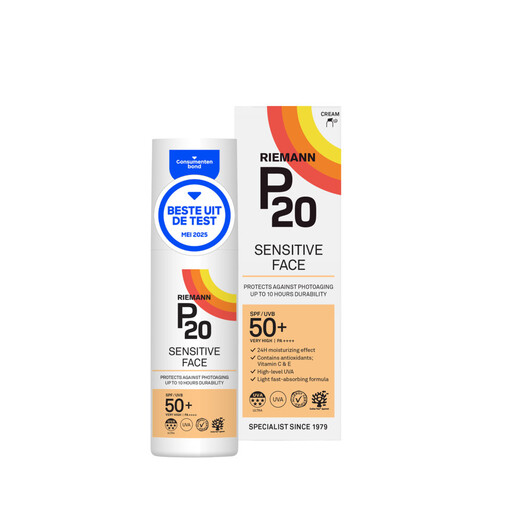
Why it suits this profile: This facial cream is intended for users specifically looking for high protection in a formula without an unnecessarily large pack.
The instructions recommend applying generously and reapplying after drying yourself or sweating. This helps prevent relying on a single application.
SPF 50+, 50 g contents and ingredients such as glycerine, panthenol and squalane, according to the product listing.
We have put together a complete, up-to-date list of products that fully meet these strict selection criteria and the applicable European safety regulations.
Yes, SPF 50 can be used every day on the face, neck and other exposed areas of the body. Choose an SPF 50 facial sunscreen if you want a lightweight texture, a matte finish or a product to wear under make-up. Reapply on cloudy days too if you are spending a long time outdoors.
Check the expiry date and the open-jar symbol on the packaging. Store sunscreen in a cool place away from direct sunlight. It is best not to use a product if its smell has changed, it has become discoloured or its texture has visibly altered. The protection factor also decreases in practice if you apply too little product or fail to reapply.
For oily skin, a matte fluid, dry-touch formula or mattifying sunscreen is often more comfortable. Also look for terms such as non-comedogenic, but do not treat them as a personal guarantee. If you have sensitive skin, you could choose a fragrance-free formula, such as a product where this is explicitly stated in the product information. Test new sunscreen on a small area of skin first and stop using it if irritation occurs.
