
Vandaag of morgen in huis

Kwaliteit gegarandeerd

Welkomstaanbiedingen ontgrendelen: GRATIS bezorging | Tot 80% korting | Gratis 30 dagen JoyPlus-proefperiode
Download de app
SPF 50 sunscreen might seem straightforward to choose at first glance. Yet many people end up buying a product that doesn’t suit their skin type, the occasion, or the texture they prefer. A high protection factor doesn’t tell you everything about comfort, water resistance, or whether it’s suitable for the face.
The following pitfalls are common:
SPF 50 or SPF 50+ indicates high UVB protection. SPF 50+ doesn’t mean you can stay in the sun indefinitely. Avoid prolonged exposure, seek shade and cover your skin where possible.
For facial products, also look for information about UVA protection. Korean sunscreens often list this as PA+++ or PA++++. This is a classification for UVA protection. Always check the product packaging too, because formulations and packaging information can change.
The texture determines whether you’ll want to use the product every day. A light lotion or fluid can suit normal, combination or oily skin. A hydrating sunscreen with glycerine, hyaluronic acid or nourishing oils may be more comfortable for dry skin.
For sensitive skin, the ingredients list matters more than a marketing claim. Pay attention to:
A mineral sunscreen can initially leave a white cast. With tinted products, such as a tone-up sunscreen, colour pigments can reduce this effect, but the shade must still match your skin.
For beach days, cycling, hiking or sports, water-resistant sunscreen is practical. Check the exact product information and reapply after swimming, sweating or towel-drying. For daily use in the UK, a 40 to 50 ml size is handy for the face. If you’re protecting your body or travelling with the family, a 200 ml lotion or a larger refillable bottle is more suitable.
Apply sunscreen evenly as the last step of your morning routine, ideally 15 to 30 minutes before sun exposure if the packaging advises this. Reapply roughly every two hours during outdoor activities.
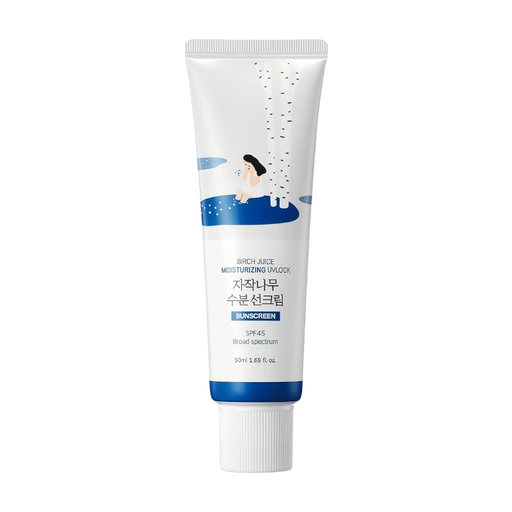
Why this fits the profile: A 50 ml face sunscreen with hydrating ingredients such as glycerine and hyaluronic acid. The product information lists several chemical UV filters and recommends use as the last step of your skincare routine.
The ingredients list makes it clear which type of UV filters are used. That means you don’t have to rely solely on terms like “moisturising” or “daily”.
50 ml size, glycerine, sodium hyaluronate and multiple listed UV filters.

Why this fits the profile: This Korean sunscreen is designed for daily use on the face. According to the product description, the cream has SPF50+ PA+++ and a lightweight, hydrating texture with no fragrance.
The stated fragrance-free formula and creamy texture help you choose it for daily facial use. Check the current packaging when purchasing.
SPF50+ PA+++, 50 ml, rice extract and product information with fragrance-free mention.
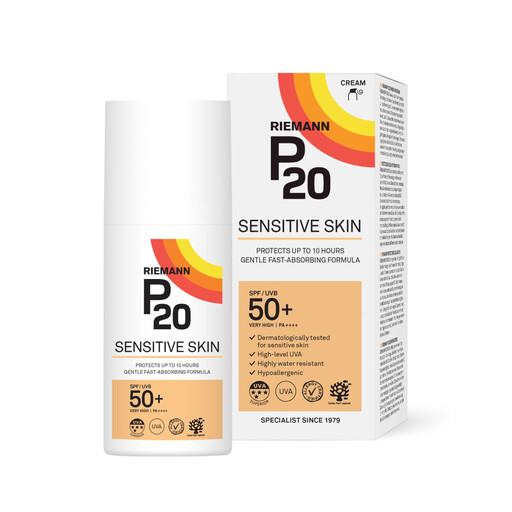
Why this fits the profile: The 200 ml size is practical for repeated use on arms, legs and other exposed body parts. The product information mentions SPF50+ and a lotion for sensitive skin.
A larger bottle makes it easier to apply enough product regularly than using a small face-sized tube for the whole body.
200 ml content, SPF50+ and an ingredients list with no fragrance mention in the provided product information.
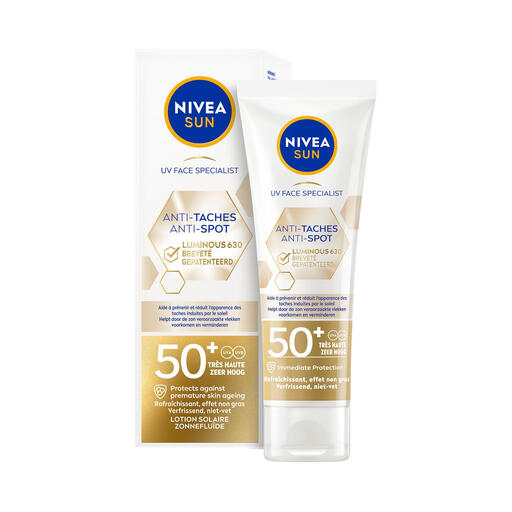
Why this fits the profile: This is a face sunscreen with SPF50+ and the ingredient Luminous630. According to NIVEA’s own research, this ingredient helps visibly reduce dark spots; this is a brand claim and not a guaranteed result for every user.
The product description mentions both SPF50+ and the additional aim regarding dark spots. This helps you tailor your choice to your needs rather than just looking at the highest SPF.
40 ml, SPF50+, UVA/UVB protection and Luminous630 according to the product information.
We’ve put together a full, up-to-date list of products that fully meet these strict selection criteria and comply with current European safety regulations.
Yes, SPF 50 can be used every day on the face, neck and other uncovered skin. For daily use, choose a sunscreen with a texture you enjoy, so you apply enough product and reapplication remains manageable. A face sunscreen is often thinner and more suitable under make-up than a rich body lotion.
Reapply after roughly two hours of being outdoors and immediately after swimming, sweating or towel-drying. Even water-resistant sunscreen loses some of its applied layer through friction and water. Using less product reduces the practical level of protection.
A mineral sunscreen uses filters such as zinc oxide or titanium dioxide. These products can leave a slight white cast, especially on darker skin. Chemical UV filters absorb UV radiation and often have a more transparent finish. Neither type is automatically suitable for every skin type: check the ingredients, texture and any fragrance or alcohol components.
