
Vandaag of morgen in huis

Kwaliteit gegarandeerd

Welkomstaanbiedingen ontgrendelen: GRATIS bezorging | Tot 80% korting | Gratis 30 dagen JoyPlus-proefperiode
Download de app
Buying an SPF 50 sunscreen sounds simple enough – until you have to choose between a lightweight fluid, a hydrating lotion, a mattifying face sunscreen or a water-resistant sun cream SPF 50+. Marketing terms like “ultra-light”, “breathable” and “anti-age” don’t always tell you how a product will feel on your skin or how often you’ll need to reapply it.
The real question, then, isn’t which formula promises the most, but which SPF 50 sunscreen you’ll use enough and consistently. Below are the key buying criteria, common pitfalls and some popular choices for different situations.
SPF mainly tells you about protection against UVB rays. You should also check whether the product mentions UVA protection. Broad UVA and UVB protection is important for daily use, for example when cycling, walking or sitting on a terrace.
Some Asian products list PA++++ alongside SPF 50+. This is an indicator of UVA protection within the rating system used. Always check the full product packaging and the manufacturer’s information.
A watery fluid or “sun water” feels pleasant, but it can lead people to apply too little. Using less product means lower protection than stated on the label, according to manufacturers’ usage instructions.
Apply a face sunscreen SPF 50 generously to your face, ears and neck. For prolonged time outdoors, you need to reapply – generally after about two hours, and sooner after swimming, sweating or towel-drying.
Water-resistant sunscreen generally stays on better when in contact with water or sweat, but that doesn’t mean reapplication is unnecessary. Friction from a towel, clothing or sports activity can reduce the layer.
Always check whether water resistance is actually stated on the packaging or product page. iUNIK Centella Calming Daily Sunwater, for example, specifically states that this formula is not water-resistant. For the beach, pool or intense exercise, a different choice would be more suitable.
SPF 50 and SPF 50+ fall into the high-protection category. The difference between these ratings shouldn’t be considered separately from how much you apply and how often you reapply. Also look for a mention of UVA protection, such as a UVA logo, PA++++ or an explicit description of broad protection.
Look at the first ingredients on the list, but don’t draw medical conclusions from a single ingredient. Birch Juice Moisturizing Sunscreen contains, among others, glycerine, sodium hyaluronate, hydrolysed hyaluronic acid and niacinamide. Based on the product information, this makes the formula interesting for anyone looking for a hydrating sunscreen.
A formula with fragrance, alcohol denat. or essential oils may be less pleasant for some users. Stop using it if irritation occurs and follow the safety instructions on the packaging. Avoid contact with the eyes.
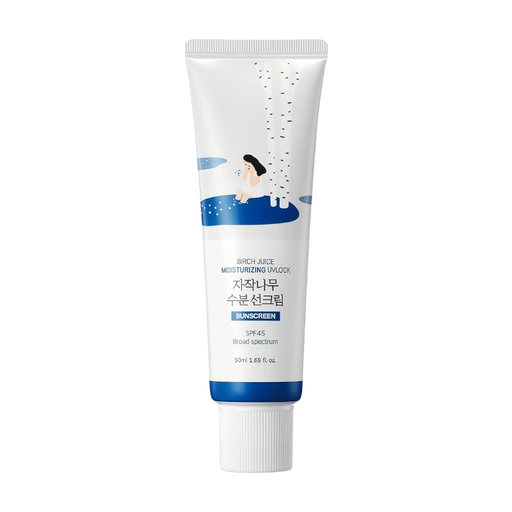
Why This Fits Their Persona: A compact Korean sunscreen for adults who want a light, nourishing layer for the face every day.
The ingredients list includes several moisturising agents and four chemical UV filters. Water resistance is not stated, so choose a different formula for swimming.
50 ml; glycerine, hyaluronic acid and niacinamide are listed in the product information; suitable as the last step of your morning routine.
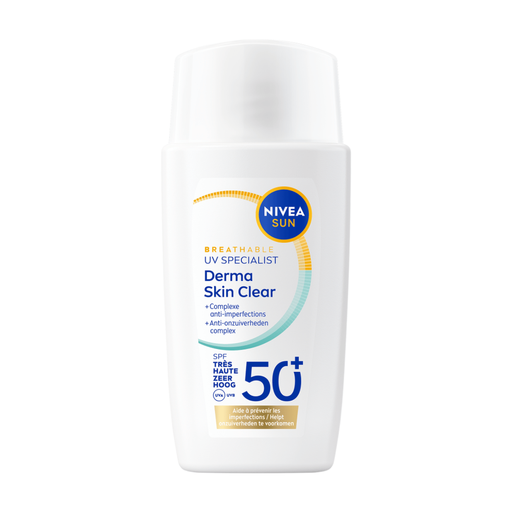
Why This Fits Their Persona: Aimed at anyone looking for an ultra-light face sunscreen SPF 50+ that can be used under make-up.
The product description states a non-greasy fluid and a mattifying effect. The formula contains alcohol denat. and fragrance, so check your personal tolerance.
40 ml; niacinamide and silica are listed; the manufacturer mentions a light texture and use under make-up.
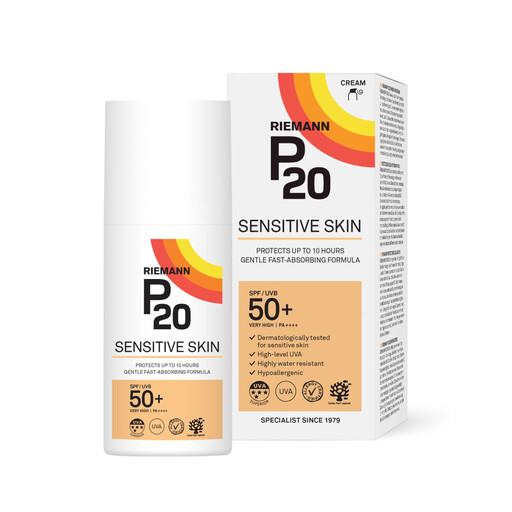
Why This Fits Their Persona: The large bottle suits families, long days outdoors and anyone who needs to regularly apply sunscreen to their body and arms.
The instructions emphasise generous application and reapplying after towel-drying or heavy sweating. The packaging states 200 ml, making it more practical than a small face tube.
SPF 50+; 200 ml lotion; designed for generous and even application on the body.
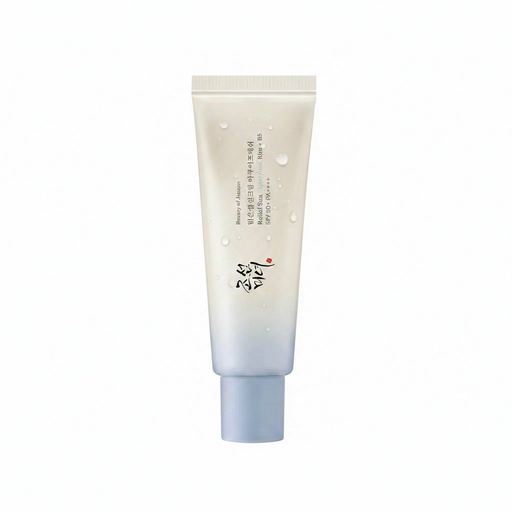
Why This Fits Their Persona: An option for anyone looking for a fragrance-free, lightweight formula that, according to the product information, sits comfortably under make-up.
The watery texture is not automatically presented as water-resistant. For swimming or sport, you should choose a product that explicitly states water resistance.
50 ml; SPF 50+ and PA++++ according to the product data; rice water and panthenol are listed as nourishing ingredients.
Browse a current selection of face fluids with SPF 50 and compare texture, size and additional product features.
Also check the expiry date and batch information on the packaging. Store sunscreen in a cool, dry place, away from direct sunlight and high temperatures.
Yes, an SPF 50 or SPF 50+ product can be used as daily sun protection on your face and body. For daily use, choose a texture you find pleasant, so that you apply enough and can reapply when needed.
The exact shelf life is stated on the packaging or indicated by a period-after-opening symbol. Do not use a product that smells odd, has clearly changed in consistency or is past its stated expiry date.
SPF 50 face sunscreen often has a thinner texture, a less greasy feel and features that suit make-up or oily skin. Body lotion is usually sold in larger bottles and is designed for larger skin areas. The level of protection may be similar, but the texture and user experience differ.
