
Vandaag of morgen in huis

Kwaliteit gegarandeerd

Welkomstaanbiedingen ontgrendelen: GRATIS bezorging | Tot 80% korting | Gratis 30 dagen JoyPlus-proefperiode
Download de app
Buying SPF 50 sunscreen may seem straightforward. Yet there are major differences in texture, UVA protection, water resistance and ease of use. A product may look lightweight and hydrating on the packaging, but feel too greasy in practice, sting around the eyes or leave a white cast.
The most common pitfalls:
SPF 50 or SPF 50+ indicates how much protection the product provides against UVB under standardised conditions. It is not a reason to stay in the sun for longer. Apply generously and limit direct exposure, particularly between around 11.00 and 15.00.
Also look for a statement about UVA protection, such as a UVA symbol on the packaging or a PA rating on Korean sunscreens. UVA rays penetrate deeper into the skin than UVB rays. For daily sun protection on the face, a product with clear broad-spectrum protection information is therefore a practical choice.
The right texture often determines whether you continue using sunscreen every day.
Test a new product on a small area of skin first. Also consider how it works with your day cream and make-up. A product that feels pleasant on its own may still start to pill when applied in layers.
For cycling, walking and everyday commuting, a comfortable facial formula is often sufficient. For days at the beach, sport or holidays, water-resistant sunscreen is more convenient. Always check the packaging and reapply after swimming, sweating or drying yourself.
For the face and neck, around two finger lengths is a useful guideline. A much larger amount is needed for the whole body. Ideally, apply sunscreen 15 to 30 minutes before exposure, unless the packaging says otherwise. Reapply approximately every two hours during continued exposure.
A small size, such as 12 or 15 ml, is suitable for a handbag or travel, but may work out more expensive per millilitre. For a family, a larger bottle is generally more practical.
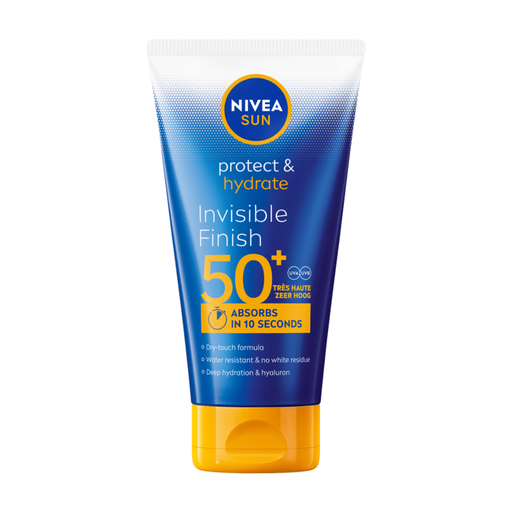
Why it suits this profile: The 150 ml bottle is practical for regular use on the face and body. According to the product information, the formula is water-resistant and designed to absorb quickly.
The product description mentions a dry-touch texture and no white residue. However, check whether the finish remains comfortable on your own skin and apply enough product.
150 ml; SPF 50+; water-resistant formula according to the product information; according to the description, the bottle and cap are made from at least 50% recycled plastic.

Why it suits this profile: According to the product information, this Korean sunscreen is designed for daily use on the face, with a lightweight cream formula and a fragrance-free version.
The description states that it leaves no white cast, does not feel sticky and is suitable for use under make-up. These are the seller’s product claims and may feel different depending on your skin type.
SPF 50+ and PA+++ according to the product specification; 50 ml; fragrance-free according to the product details; designed for the face.

Why it suits this profile: The milky, lightweight formula and compact size are ideal for travelling, festivals or sports days when you want to reapply your sunscreen.
The product information states that it is water-resistant. This does not replace reapplication after swimming, sweating or drying yourself.
SPF 50+; lightweight milk texture according to the product description; water-resistant according to the product specification; 12 ml travel size.
For children, the NIVEA SUN Kids Protect & Hydrate To Go SPF 50+ is a practical option in a 50 ml size. According to the product description, this sunscreen is extra water-resistant and developed for children. Always check the age recommendations, ingredients and instructions for use on the packaging. For young children, shade, protective clothing and a sun hat are at least as important as sunscreen.
We have put together a complete, up-to-date list of products that fully meet these strict selection criteria and the applicable European safety regulations.
Yes, SPF 50 can be used every day on exposed areas such as the face, neck and hands. For the face, choose a formula that feels comfortable and works well with your skincare routine. Reapply during prolonged exposure to sunlight, perspiration or contact with water.
Check the expiry date or the open-jar symbol on the packaging. Store sunscreen somewhere cool and out of direct sunlight. It is best not to use a product that smells noticeably different, changes colour or alters in texture. An opened bottle left in a warm beach bag for a long time may deteriorate more quickly.
A day cream with SPF can be useful for short periods outdoors, but the level of protection depends on how much you apply. If you are spending longer outside, a separate SPF 50 facial sunscreen is generally the more practical choice, and you should apply enough of it. Also check whether the day cream states protection against both UVA and UVB.
