
Vandaag of morgen in huis

Kwaliteit gegarandeerd

Welkomstaanbiedingen ontgrendelen: GRATIS bezorging | Tot 80% korting | Gratis 30 dagen JoyPlus-proefperiode
Download de app
SPF 50 sunscreen is a sensible choice for sunny days, holidays and daily use when you spend a lot of time outdoors. However, a high protection factor doesn't tell you everything. A product might be unsuitable for your face, too small for the whole family, or disappear faster than expected after swimming and drying off.
Marketing terms such as “invisible finish”, “extra water-resistant” and “suitable for sensitive skin” also deserve a closer look. So always check the product information, ingredients list and usage instructions before you buy.
SPF mainly refers to protection against UVB rays, which cause redness and sunburn. You should also look for a clear indication of UVA and UVB protection. In Europe, UVA protection is often shown with the UVA logo or additional information on the packaging.
A high SPF also doesn't make up for applying too thin a layer. According to the usage information for several products in this range, an adult body needs around 35 ml per application. For the face, you can use the well-known guideline of about two finger-lengths, unless the packaging states otherwise.
Water-resistant sunscreen generally stays on better during swimming or sweating, but it isn't indefinitely resistant to water, sand, towels and clothing. Reapply after swimming, drying off and heavy sweating. Even with water-resistant sunscreen, regular reapplication is necessary.
A body sunscreen can feel heavy, greasy or irritating on the face. For daily use under make-up, a light texture, quick absorption and a formula without a white cast are often more important. With a face sunscreen, also pay attention to fragrance, alcohol and other ingredients that your skin may react to.
Choose a product that states both SPF 50 or SPF 50+ and UVA protection. Some Korean sunscreens also use the PA rating. For example, Beauty of Joseon states SPF50+ PA+++ and iUNIK states SPF 50+ PA++++. This rating gives extra information about UVA protection, but doesn't replace reading the full product packaging.
For dry skin, a hydrating sunscreen with glycerine, hyaluronic acid or nourishing oils can feel comfortable. Oily or combination skin may benefit more from a light fluid, matte finish or dry-touch formula.
With a sunscreen for sensitive skin, it's wise to look for fragrance-free options and check the ingredients list beforehand. “Sensitive skin” on a product page is no guarantee that every user will tolerate the formula without issues. If in doubt, first test a small amount on a limited area of skin.
A tube of 40 to 60 ml is practical for the face or for on the go. For face and body, family use or a day at the beach, packs of 150 to 200 ml are more convenient. Also consider the shelf life and expiry information on the packaging. Store sunscreen in a cool place out of direct sunlight; heat can affect the formula.
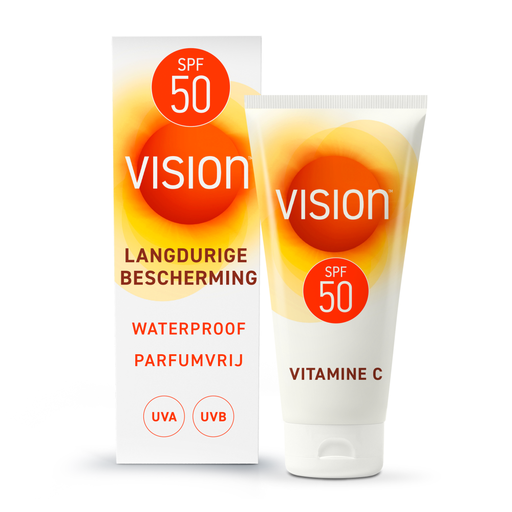
Why this fits the profile: The 180 ml pack is practical for daily use on face and body, without immediately choosing a small face format.
The product information states UVA and UVB protection and gives clear instructions for generous application and reapplication.
180 ml content; contains among others glycerine and vitamin E derivative according to the ingredients list; suitable according to the product information for babies, children and adults.

Why this fits the profile: This Korean sunscreen is designed for the face and, according to the product description, has a light, hydrating texture for daily use.
The product description mentions a formula without a sticky feel and without a white cast. For sensitive skin, always check the full ingredients list.
50 ml for the face; SPF50+ PA+++; according to the product information, fragrance-free and with rice extract and ferment ingredients.
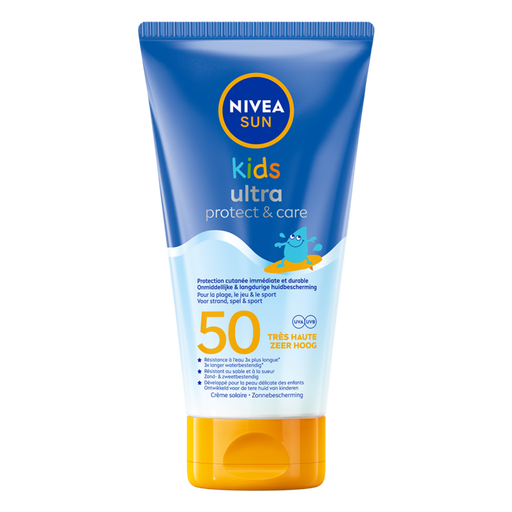
Why this fits the profile: This children's sunscreen is aimed at the beach, outdoor play and sport, with a 150 ml pack for face and body.
According to the brand description, the formula is resistant to water, sweat and sand. Reapplication remains necessary after swimming or drying off.
SPF50+; 150 ml; according to the brand description, tested by paediatricians and formulated with panthenol and vitamins C and E.
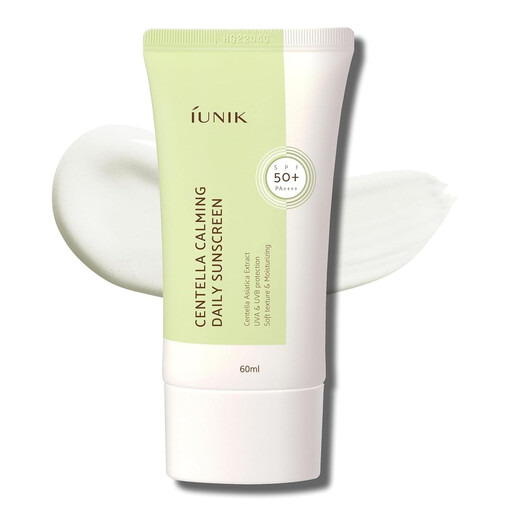
Why this fits the profile: The Korean formula is, according to the product description, fragrance-free, light and intended for daily use on different skin types.
The product information states no fragrance and advises reapplication after swimming or sweating. First check tolerance on a small area of skin.
60 ml; SPF 50+ PA++++; according to the product description, suitable for UVA and UVB protection and fragrance-free.
We've put together a full, up-to-date list of products that fully meet these strict selection criteria and comply with current European safety regulations.
Yes, SPF 50 sunscreen can be used daily on exposed skin, especially on the face, neck, ears and hands. For daily use, choose a texture that you'll be happy to reapply consistently. If you spend most of your time indoors with little daylight, the amount you use may differ from a day at the beach, a bike ride or a walk.
Reapply after about two hours of being outdoors, and sooner after swimming, drying off or sweating. The precise instructions on the packaging are what you should follow. Use enough product: a thin layer significantly reduces protection.
This is not recommended. Check the expiry date, batch information and any period-after-opening symbol on the packaging. A product that has been kept in a hot car or in direct sunlight for a long time may also have changed. So store sunscreen in a cool, dry place out of direct sunlight.
