
Vandaag of morgen in huis

Kwaliteit gegarandeerd

Welkomstaanbiedingen ontgrendelen: GRATIS bezorging | Tot 80% korting | Gratis 30 dagen JoyPlus-proefperiode
Download de app
An SPF 50 sunscreen for the face should be comfortable enough for everyday use. Yet a product often ends up unused in the bathroom cabinet. The texture feels too greasy, it leaves a white cast or the cream pills underneath make-up. A high protection factor alone therefore does not tell you enough.
As a Joybuy Product Recommendation Officer, I filter the most important product information down to practical details. This helps you see which features are relevant to your skin type, routine and situation.
SPF mainly refers to protection against UVB radiation, which is responsible for redness and sunburn, among other things. For daily sun protection, UVA protection is also important. UVA rays penetrate deeper and are present all year round, including on cloudy days.
Look for an indication such as UVA in a circle, PA++++ or wording that refers to broad-spectrum or UVA and UVB protection. Always check the packaging and product information, as marketing terms can vary between brands.
A rich sunscreen can feel pleasant on dry skin but heavy on oily or combination skin. A mattifying sunscreen often contains powders, starch or silica to reduce the appearance of shine. On dry skin, however, this type of finish can feel tight and uncomfortable.
“ No white cast” is not a universal guarantee either. Mineral filters such as zinc oxide can remain visible, particularly if you do not apply enough product or blend it in properly. Chemical UV filters generally provide a more transparent finish, but they can sting around the eyes for some users.
A waterproof sunscreen or water-resistant formula is useful when cycling, walking or swimming. Water resistance does not mean you never need to reapply. Swimming, sweating and drying yourself reduce the amount of product on your skin. Reapplication is also necessary during prolonged exposure in everyday situations.
For an SPF 50+ facial sunscreen, check at least the following:
An SPF value is based on standardised measurements. In practice, the level of protection depends heavily on the amount applied, even coverage and reapplication.
Check the ingredients list if you are sensitive to certain filters, fragrance or alcohol. Examples of chemical UV filters in the supplied product information include Diethylamino Hydroxybenzoyl Hexyl Benzoate, Ethylhexyl Triazone and Bis-Ethylhexyloxyphenol Methoxyphenyl Triazine.
Mineral formulas may use zinc oxide, for example. Haruharu Wonder and AXIS-Y list zinc oxide as a physical UV filter. This option may appeal if you prefer a mineral formula, although according to the product information, Haruharu Wonder may initially leave a slight white cast.
For everyday use, there are a few practical questions to consider:
A hydrating sunscreen containing glycerine, hyaluronic acid or panthenol can be useful if you want to use fewer skincare layers. For oily skin, silica, tapioca starch or rice starch can help create a more mattifying feel. The effect varies depending on your skin and the amount of product used.
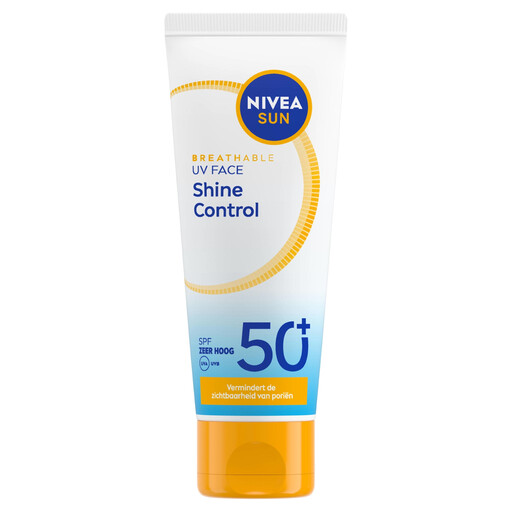
Why it suits this profile: A compact SPF 50 facial sunscreen for anyone looking for a simple daily routine with a mattifying finish.
The product description mentions quick absorption, an invisible finish and oil control. Check for yourself whether the mattifying texture remains comfortable on your skin.
SPF 50+, PA++++ according to the product information; ingredients list including silica, tapioca starch and rice starch.

Why it suits this profile: A Korean sunscreen for anyone looking for a lightweight, hydrating texture without fragrance.
The supplied product information states that it has a lightweight texture, leaves no white cast and does not feel sticky. The stated SPF is 50+ PA+++; compare this with your preferred UVA rating.
50 ml; according to the product details, fragrance-free, vegan and suitable for all skin types, with rice extract and glycerine in the ingredients list.
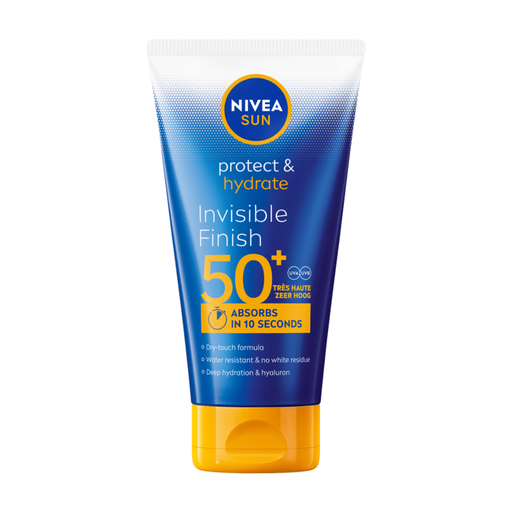
Why it suits this profile: Suitable for users looking for a larger bottle and water-resistant sunscreen for the face and body.
The description mentions a water-resistant formula and a dry finish. Reapplication is still necessary after swimming, sweating or drying yourself.
150 ml; the product information lists SPF 50+ and hydrating ingredients such as glycerine and sodium hyaluronate.
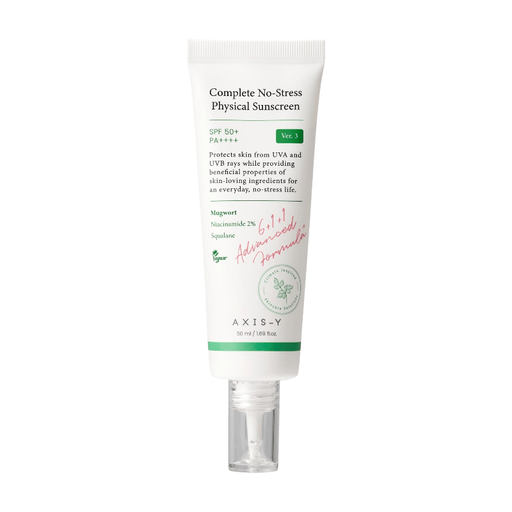
Why it suits this profile: For anyone deliberately looking for a sunscreen without chemical UV filters and who values a gentle, non-greasy texture.
According to the product details, the formula uses non-nano zinc oxide. As with many mineral filters, careful blending may be needed to minimise visible residue.
50 ml; ingredients list including zinc oxide, niacinamide, glycerine, squalane and sodium hyaluronate.
We have put together a complete, up-to-date list of products that fully meet these strict selection criteria and the applicable European safety regulations.
Apply sunscreen as the final step in your morning routine, after serum and day cream. As a practical guide, use around two finger lengths for your face and neck. Spread the product evenly over your nose, cheeks, forehead, ears and neck.
Ideally, apply the cream 15 to 30 minutes before prolonged exposure. Reapply approximately every two hours when you are outdoors, and immediately after swimming, exercising, sweating or drying yourself. A small bottle is handy for use on the go, but make sure you are not applying too little as a result.
If you have sensitive skin, it is sensible to test the product on a small area of skin first. Stop using it if you experience redness, swelling, itching or a burning sensation. Avoid contact with the eyes and follow the warnings on the packaging.
Daily protection can be practical if you spend a lot of time outdoors, cycle or work close to windows. Choose a formula that you enjoy applying and can use in a sufficient amount, as convenience affects how consistently you apply sunscreen.
Check the best-before date and the open-jar symbol showing the period after opening on the packaging. Store sunscreen in a cool place away from direct sunlight. A change in smell, colour or texture may be a reason to stop using the product.
Look for terms such as shine control, matte finish, dry-touch or oil control. Ingredients such as silica, tapioca starch and rice starch are found in some mattifying formulas. Try the texture first if your skin is prone to dryness or flaking.
